 kdolu
kdolu Cow form is an important tool in cattle farming. Farmers use a cow form to record details about cows, their health, breeding history, milk production, feeding schedules, and overall farm management. Today, both small and large farms depend on a cow form to keep accurate records and improve productivity.
Moreover, a well-designed cow form helps farmers track important information quickly. As a result, they can make better decisions, improve herd health, and increase profits. Whether you own one cow or hundreds of cattle, understanding how to use a cow form can make farm management easier and more efficient.
What Is a Cow Form?
A cow form is a document used to collect and organize information about cows. Farmers use it to keep records about identification, health, feeding, breeding, and production.
Furthermore, a cow form helps farmers stay organized. Instead of relying on memory, they can review records whenever needed.
Why a Cow Form Matters
Every successful farm depends on good records. Therefore, a cow form becomes a valuable management tool.
Benefits include:
- Better health monitoring
- Easier breeding management
- Accurate milk production tracking
- Financial planning
- Improved herd performance
Without proper records, farmers may miss important information.
History of Cow Form Records
Farmers have recorded cattle information for hundreds of years. In the past, they used notebooks and ledgers.
However, modern technology now allows farmers to use digital cow form systems. Consequently, data storage has become faster and more reliable.
Types of Cow Form Documents
Different farms require different records.
Common types include:
- Registration forms
- Health forms
- Breeding forms
- Feeding forms
- Milk production forms
- Sale and purchase forms
Each cow form serves a unique purpose.
Paper Cow Form Records
Many small farms still use paper forms.
Advantages:
- Low cost
- Easy to create
- No internet needed
However, paper records can become damaged or lost.
Digital Cow Form Systems
Today, many farmers prefer digital records.
Advantages include:
- Fast access
- Automatic backups
- Easy searching
- Better reporting
Organizations like USDA and FAO encourage better farm record management.
Cow Form for Registration
Registration forms contain:
- Animal ID
- Breed
- Date of birth
- Ownership details
- Registration number
Therefore, they establish official records for each animal.
Cow Form for Health Tracking
Health records help farmers monitor:
- Diseases
- Treatments
- Medications
- Veterinary visits
As a result, cows receive better care.
For Breeding Records
Breeding forms track:
- Heat dates
- Insemination dates
- Pregnancy checks
- Calving dates
Consequently, farmers improve reproductive success.
For Feeding Programs
Feeding records show:
- Feed type
- Daily intake
- Nutritional changes
- Supplement schedules
Therefore, farmers can optimize nutrition.
For Vaccination Records
Vaccination forms help track:
- Vaccine names
- Dates given
- Booster schedules
- Veterinarian notes
Thus, disease prevention becomes easier.
For Milk Production
Dairy farms depend heavily on production records.
These forms track:
- Daily milk yield
- Monthly production
- Lactation cycles
- Quality measurements
Therefore, dairy profitability improves.
For Purchasing Cattle
Purchase forms include:
- Seller information
- Animal history
- Price
- Health status
As a result, buyers make informed decisions.
For Selling Cattle
Sale records track:
- Buyer details
- Sale price
- Animal identification
- Transaction dates
Thus, farms maintain accurate financial records.
For Inventory Management
Inventory forms help count:
- Total herd size
- Breeding stock
- Calves
- Bulls
Therefore, herd planning becomes easier.
Essential Sections
A complete cow form should include:
- Identification
- Breed
- Age
- Weight
- Health history
- Breeding records
- Production data
Animal Identification
Identification methods include:
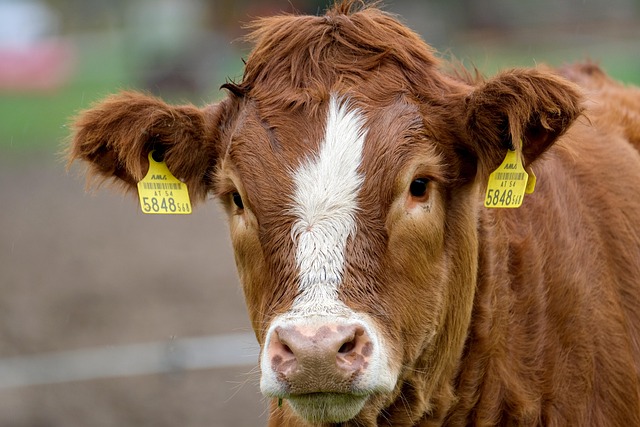
- Ear tags
- Microchips
- Tattoos
- RFID tags
Therefore, each cow remains easy to track.
Breed Information
Breed records help farmers understand performance traits.
Examples:
- Holstein
- Jersey
- Angus
- Hereford
Each breed has different strengths.
Birth Records in a Cow Form
Birth details include:
- Date
- Weight
- Parent information
- Calving notes
Consequently, farmers track growth accurately.
Weight Tracking Through a Cow Forms
Weight records help farmers:
- Monitor growth
- Adjust feeding plans
- Improve marketing decisions
Thus, productivity increases.
Feeding Details in a Cow Forms
Nutrition affects performance significantly.
Therefore, feeding records remain essential.
Medical Records in a Cow Forms
Medical records include:
- Illness history
- Treatments
- Recovery dates
- Vet recommendations
As a result, health management improves.
Vaccination History Records
Vaccination records help prevent disease outbreaks.
Moreover, they support regulatory compliance.
Breeding Information in a Cow Forms
Breeding records provide:
- Fertility data
- Pregnancy rates
- Calving intervals
Therefore, herd improvement becomes possible.
Milk Yield Records
Milk tracking helps farmers identify high-performing cows.
Consequently, breeding decisions improve.
Financial Tracking Through a Cow Forms
Farmers record:
- Feed costs
- Medical expenses
- Income from milk
- Sale revenue
Thus, profitability becomes easier to measure.
How Farmers Use a Cow Forms Daily
Most farmers update records every day.
They track:
- Feeding
- Health checks
- Milk production
- Breeding activities
Therefore, farm operations stay organized.
Benefits of Using a Cow Forms
Better Organization
Records stay structured.
Improved Herd Health
Problems become easier to identify.
Higher Productivity
Performance tracking improves decisions.
Financial Management
Costs and profits become clear.
Regulatory Compliance
Records support inspections and certifications.
Challenges of Maintaining Cow Forms
Some challenges include:
- Time requirements
- Data entry mistakes
- Lost paperwork
- Software costs
However, proper management reduces these issues.
Common Mistakes in Cow Forms Management
Farmers often:
- Skip updates
- Enter incorrect data
- Lose records
- Forget backups
Therefore, consistency matters.
Creating an Effective Cow Forms
A good cow form should be:
- Simple
- Clear
- Easy to update
- Comprehensive
Moreover, it should match farm needs.
Best Practices for Cow Forms Records
- Update daily.
- Use clear handwriting.
- Back up digital records.
- Review data regularly.
- Train staff properly.
Cow Forms in Dairy Farming
Dairy farms rely heavily on detailed records.
They track:
- Milk production
- Breeding
- Feed efficiency
As a result, profits increase.
Cow Forms in Beef Farming
Beef producers use records to track:
- Weight gain
- Feed conversion
- Market readiness
Therefore, they improve production efficiency.
For Small Farms
Small farms benefit from simple record systems.
Often, basic spreadsheets work well.
For Commercial Farms
Large farms require advanced software systems.
Consequently, data management becomes more efficient.
Real-Life Example of Success
A dairy farmer with 50 cows started using a digital cow form.
Before implementation:
- Missed vaccination dates
- Inconsistent breeding records
After implementation:
- Better health outcomes
- Increased milk production
- Reduced management errors
Therefore, the farm became more profitable.
Case Study: Improving Dairy Productivity
A dairy operation tracked milk production using a detailed cow form.
Within one year:
| Metric | Before | After |
| Average Daily Milk | 18 Liters | 24 Liters |
| Health Incidents | 20 | 8 |
| Breeding Success | 70% | 89% |
| Revenue | $40,000 | $58,000 |
Consequently, accurate records improved decision-making.
Expert Advice
Agricultural experts recommend:
- Record information immediately.
- Use digital systems when possible.
- Review records monthly.
- Train workers properly.
- Maintain backups.
Furthermore, experts stress consistency.
Advantages
Easy Monitoring
Farmers quickly access important information.
Better Planning
Future decisions become easier.
Improved Health Care
Medical records remain organized.
Enhanced Productivity
Performance tracking supports improvements.
Accurate Financial Records
Profit analysis becomes simpler.
Disadvantages
Time Commitment
Updates require effort.
Human Error
Incorrect entries can occur.
Technology Costs
Software may require investment.
Training Requirements
Workers need instruction.
Chart Table
| Record Type | Purpose | Importance |
| Health Form | Medical Tracking | High |
| Breeding Form | Reproduction Management | High |
| Feeding Form | Nutrition Monitoring | High |
| Milk Form | Production Tracking | High |
| Sale Form | Financial Records | Medium |
| Purchase Form | Ownership Records | Medium |
| Vaccination Form | Disease Prevention | High |
Future of Technology
Technology continues to improve cattle management.
Future developments include:
- Artificial intelligence
- RFID tracking
- Cloud storage
- Mobile apps
- Automated data collection
Therefore, record keeping will become even easier.
Frequently Asked Questions
- What is a cow form?
A cow form is a record document used to track cattle information.
- Why is a cow form important?
It helps farmers manage health, breeding, and production.
- Who uses cow forms?
Dairy farmers, beef producers, veterinarians, and ranch managers.
- Can cow forms be digital?
Yes, many farms use digital software.
- What information belongs in a cow form?
Identification, health, breeding, feeding, and production records.
- How often should records be updated?
Daily whenever possible.
- Are cow forms useful for small farms?
Yes, even one cow benefits from proper records.
- What is the most important section?
Animal identification.
- How do cow forms improve profits?
They help farmers make informed decisions.
- Can cow forms reduce disease?
Yes, through better health tracking.
- Are cow forms required by law?
Requirements vary by region.
- What software helps manage cow forms?
Many herd management programs exist.
- Can mobile apps replace paper forms?
Yes, many farmers now use apps.
- How long should records be kept?
Several years depending on regulations.
- Do beef farms need cow forms?
Yes, they support growth tracking.
- Do dairy farms need cow forms?
Absolutely, especially for milk production records.
- What causes record errors?
Missed updates and incorrect entries.
- Can cow forms track finances?
Yes, many include expense and income sections.
- How can farmers improve record accuracy?
Update information immediately.
- What is the future of cow forms?
Digital automation and AI-based management systems.
Conclusion
A cow form remains one of the most valuable tools in modern cattle farming. It helps farmers organize records, improve herd health, increase milk production, manage breeding programs, and track financial performance. Moreover, whether a farm uses paper records or advanced digital systems, maintaining an accurate cow form leads to better decisions and greater efficiency.
As farming technology continues to evolve, the importance of the form will only grow. Therefore, every farmer should develop a reliable record-keeping system that supports long-term success, healthier cattle, and higher profits. By using a well-structured cow form, farmers gain the information they need to manage their herds confidently and effectively.