
 kdolu
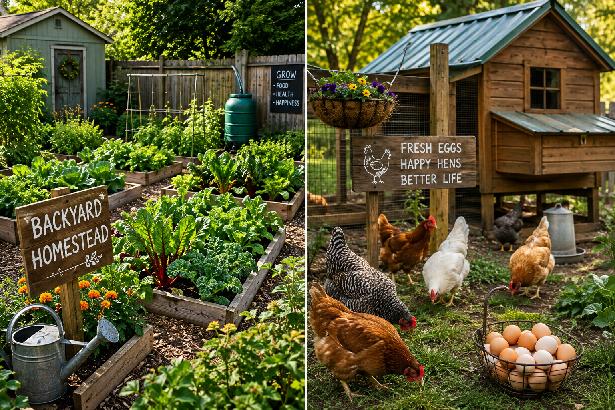
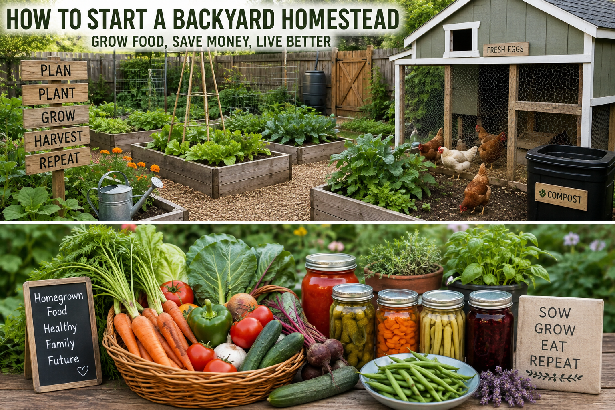
kdolu How to start a backyard homestead; have you ever dreamed of growing your own food right outside your back door? If so, how to start a backyard homestead is the perfect place to begin. You do not need a huge farm or lots of money. Instead, you can turn a small backyard into a productive space that gives you fresh vegetables, herbs, fruits, eggs, and much more.
Today, many families choose backyard homesteading because it saves money and creates a healthier lifestyle. At the same time, it teaches useful skills and brings people closer to nature. Whether you live in the city, suburbs, or countryside, you can build a successful homestead one step at a time.
In this guide, you will learn how to start a backyard homestead from the ground up. Moreover, you will discover practical tips, common mistakes, expert advice, real-life examples, and simple plans that anyone can follow.
What Is How to Start a Backyard Homestead?
Learning how to start a backyard homestead means creating a small area where you produce food and useful resources at home. Instead of depending only on grocery stores, you grow vegetables, fruits, herbs, and sometimes raise chickens or bees.
A backyard homestead is different for every family. For example, one family may only grow tomatoes and lettuce. Another may keep chickens, compost food scraps, and collect rainwater.
The goal is simple:
- Produce healthy food
- Save money
- Reduce waste
- Learn practical skills
- Enjoy outdoor living
Most importantly, anyone can begin with a small space.
Why How to Start a Backyard Homestead Is Becoming Popular
Every year, more families begin backyard homesteading.
There are many reasons.
First, grocery prices continue to rise.
Second, many people want fresh food without chemicals.
Third, gardening helps reduce stress.
Finally, many parents want children to learn where food comes from.
Because of these reasons, backyard homesteading continues to grow around the world.
Benefits of How to Start a Backyard Homestead
Starting a backyard homestead offers many advantages.
| Benefit | Description |
| Fresh Food | Harvest vegetables every day |
| Lower Grocery Bills | Grow food instead of buying everything |
| Healthier Lifestyle | Eat more fresh produce |
| Exercise | Gardening keeps your body active |
| Family Time | Work together outdoors |
| Less Waste | Compost food scraps |
| Emergency Food Supply | Have food during shortages |
| Better Mental Health | Gardening reduces stress |
| Learn New Skills | Cooking, planting, preserving |
| Protect Nature | Support birds and pollinators |
Although it takes effort, the rewards continue for years.
Set Clear Goals Before You Begin
Before buying seeds or tools, think about what you really want.
Ask yourself:
- Do I want fresh vegetables?
- Would I like fresh eggs?
- Do I want to save money?
- Do I enjoy gardening?
- Can I spend time each week caring for plants?
Your answers will help you build a plan.
For example, if your goal is saving money, vegetables may come first. However, if your goal is healthy eating, herbs and salad greens might be your best choice.
Know Your Backyard
One of the biggest steps in how to start a backyard homestead is understanding your yard.
Walk outside and observe carefully.
Notice:
- Sunny areas
- Shady areas
- Wet places
- Dry places
- Wind direction
- Drainage
- Existing trees
Most vegetables need at least six to eight hours of sunlight every day.
Therefore, choose the sunniest location for your garden.
Check Local Rules Before Building
Although backyard homesteading is legal in many places, every town has different rules.
Some cities allow chickens.
Others do not.
Some neighborhoods have rules about:
- Fences
- Greenhouses
- Compost piles
- Rain barrels
- Animal shelters
Therefore, always check local regulations before building anything.
Doing so prevents future problems.
Create a Simple Backyard Homestead Plan
Many beginners make one mistake.
They try everything at once.
Instead, keep your first year simple.
Your plan might include:
- Four raised beds
- One compost bin
- Herb garden
- Rain barrel
- Small fruit bushes
Next year, you can expand.
Growing slowly usually leads to better success.
Budget for Your Backyard Homestead
Many people think homesteading costs thousands of dollars.
Actually, you can start for much less.
Example Beginner Budget
| Item | Estimated Cost |
| Garden Gloves | $10 |
| Shovel | $25 |
| Garden Rake | $20 |
| Watering Can | $15 |
| Seeds | $30 |
| Compost | $40 |
| Raised Bed Materials | $100 |
| Mulch | $25 |
Total: about $265
Many items last for years.
Essential Tools Every Beginner Needs
Fortunately, you do not need expensive equipment.
Start with:
- Garden gloves
- Shovel
- Hand trowel
- Garden fork
- Hoe
- Watering can
- Hose
- Wheelbarrow
- Garden rake
- Pruners
As your homestead grows, you can buy additional tools.
Healthy Soil Makes Everything Better
Healthy soil creates healthy plants.
Instead of focusing only on seeds, improve the soil first.
Good soil contains:
- Organic matter
- Compost
- Worms
- Air
- Moisture
Poor soil produces weak plants.
Therefore, spend time building rich soil before planting.
Easy Ways to Improve Soil
You can improve almost any soil.
Try these ideas:
- Add compost
- Use aged manure
- Spread mulch
- Grow cover crops
- Avoid walking on garden beds
- Test soil pH
Healthy soil keeps improving every year.
Build Raised Garden Beds
Raised beds make gardening much easier.
Benefits include:
- Better drainage
- Fewer weeds
- Easier harvesting
- Healthier roots
- Cleaner vegetables
A common beginner size is:
- 4 feet wide
- 8 feet long
- 10–12 inches deep
This size is easy to reach from both sides.
Start Composting Today
Composting turns kitchen scraps into rich fertilizer.
Instead of throwing food away, recycle it naturally.
Good compost materials include:
Green Materials
- Fruit scraps
- Vegetable peels
- Coffee grounds
- Grass clippings
Brown Materials
- Dry leaves
- Cardboard
- Paper
- Straw
Avoid:
- Meat
- Dairy
- Greasy foods
Within several months, compost becomes dark, rich soil.
Choose Easy Vegetables First
When learning how to start a backyard homestead, choose simple crops.
Good beginner vegetables include:
| Vegetable | Difficulty |
| Lettuce | Easy |
| Spinach | Easy |
| Beans | Easy |
| Tomatoes | Easy |
| Radishes | Very Easy |
| Peas | Easy |
| Carrots | Easy |
| Zucchini | Easy |
| Cucumbers | Easy |
| Green Onions | Very Easy |
These vegetables grow well in many climates.
Grow Helpful Herbs
Herbs require little space.
Additionally, they improve meals every day.
Popular herbs include:
- Basil
- Mint
- Rosemary
- Thyme
- Oregano
- Parsley
- Dill
- Chives
- Sage
- Cilantro
Many herbs also attract bees and butterflies.
Plant Fruit Trees for Long-Term Success
Fruit trees require patience.
However, they produce food for many years.
Popular beginner trees include:
- Apple
- Peach
- Pear
- Plum
- Cherry
Plant trees where they receive plenty of sunshine.
Also, water them regularly during the first few years.
Real-Life Example
Sarah and David lived in a small suburban home with a backyard measuring only 700 square feet. They wanted healthier food but had a limited budget.
Instead of trying everything at once, they followed a simple plan. First, they built two raised beds and planted tomatoes, lettuce, carrots, beans, and herbs. Next, they started a compost bin using kitchen scraps and dry leaves. Later in the year, they added two blueberry bushes.
By the end of their first growing season, they harvested more than 180 pounds of fresh produce. As a result, they reduced their grocery bill, enjoyed healthier meals, and gained confidence to expand their backyard homestead the following year.
How to Start a Backyard Homestead with Rainwater Collection
Water is one of the most valuable resources on any homestead. Therefore, collecting rainwater can reduce your water bill and help your garden during dry weather.
Many beginners install one or two rain barrels under their roof gutters. Every rainfall fills the barrels with water that can later be used for vegetables, flowers, and fruit trees.
Benefits of Rainwater Collection
- Saves money
- Reduces water waste
- Helps during dry seasons
- Keeps plants healthy
- Supports sustainable living
Simple Tips
- Place barrels under downspouts.
- Cover barrels to keep insects out.
- Use collected water within a few weeks.
- Clean gutters regularly.
How to Start a Backyard Homestead with Smart Garden Layouts
A good garden layout saves time and increases harvests.
Before planting, draw a simple map of your backyard. Then decide where vegetables, herbs, fruit trees, compost bins, and walking paths will go.
Easy Layout Ideas
- Raised beds near the house
- Herbs beside the kitchen door
- Compost in a hidden corner
- Fruit trees along fences
- Flowers around vegetables to attract pollinators
A simple plan makes gardening easier all season.
Grow Vegetables That Feed Your Family
Instead of planting random crops, grow foods your family enjoys eating.
For example:
| Vegetable | Why Grow It |
| Tomatoes | High harvest |
| Potatoes | Store well |
| Beans | Easy to grow |
| Peppers | Many uses |
| Lettuce | Fast harvest |
| Cucumbers | Fresh eating and pickling |
| Carrots | Long storage |
| Onions | Used in many meals |
| Garlic | Easy and productive |
| Zucchini | Produces heavily |
Growing favorite foods reduces grocery shopping.
Start Seeds Indoors
Starting seeds indoors gives plants a head start.
Moreover, it costs less than buying mature plants.
Supplies You’ll Need
- Seed trays
- Seed-starting mix
- Grow lights or a sunny window
- Spray bottle
- Plant labels
Keep seedlings warm and moist until they are ready for the garden.
Learn Companion Planting
Companion planting means growing certain plants together because they help each other.
Great Plant Partners
| Plant | Companion |
| Tomatoes | Basil |
| Carrots | Onions |
| Beans | Corn |
| Cucumbers | Dill |
| Lettuce | Radishes |
These combinations can improve growth and reduce pests naturally.
Protect Your Garden from Pests Naturally
Every gardener faces insects sooner or later. However, you can solve many problems without harsh chemicals.
Natural Pest Control Ideas
- Encourage ladybugs
- Plant marigolds
- Remove damaged leaves
- Hand-pick large insects
- Use insect netting
- Keep plants healthy
Healthy gardens naturally resist many pests.
Attract Helpful Pollinators
Bees, butterflies, and other pollinators help vegetables produce more food.
Therefore, plant colorful flowers around your garden.
Popular flowers include:
- Sunflowers
- Lavender
- Coneflowers
- Zinnias
- Cosmos
- Bee balm
Avoid spraying harmful chemicals that could hurt pollinators.
How to Start a Backyard Homestead with Backyard Chickens
Many people eventually add chickens to their homestead.
Chickens provide:
- Fresh eggs
- Natural fertilizer
- Pest control
- Entertainment
Before Buying Chickens
Check your local laws first.
Then prepare:
- Secure coop
- Nesting boxes
- Clean water
- Feed
- Predator protection
Start with three to six hens if you are a beginner.
Build a Simple Chicken Coop
A chicken coop does not need to be fancy.
However, it should provide:
- Good ventilation
- Dry flooring
- Safe nesting boxes
- Strong fencing
- Easy cleaning access
Keep the coop clean to reduce disease and odors.
Grow Food All Year
Although many vegetables grow during warm weather, you can also harvest during cooler months.
Spring Crops
- Lettuce
- Peas
- Spinach
Summer Crops
- Tomatoes
- Cucumbers
- Corn
Fall Crops
- Kale
- Carrots
- Broccoli
Winter Crops (with protection)
- Spinach
- Garlic
- Onions
Planning each season keeps your garden productive.
Preserve Your Harvest
Fresh vegetables are wonderful. However, preserving food lets you enjoy it later.
Popular methods include:
- Freezing
- Drying
- Pickling
- Water-bath canning
- Pressure canning
Always follow safe food preservation guidelines.
Reduce Waste Around Your Homestead
One goal of how to start a backyard homestead is using resources wisely.
Simple ways to reduce waste include:
- Compost food scraps
- Reuse containers
- Save seeds
- Repair tools
- Recycle materials
- Collect leaves for mulch
Small habits make a big difference.
Save Seeds for Next Year
Saving seeds lowers gardening costs.
Good beginner seeds include:
- Beans
- Peas
- Tomatoes
- Lettuce
- Peppers
Store seeds in a cool, dry place inside labeled envelopes.
Teach Children About Homesteading
Children often enjoy helping in the garden.
Easy jobs include:
- Watering plants
- Collecting eggs
- Planting seeds
- Pulling weeds
- Harvesting vegetables
Gardening teaches responsibility, patience, and healthy eating.
Keep Learning Every Season
Even experienced homesteaders continue learning.
Keep a notebook with:
- Planting dates
- Weather
- Harvest amounts
- Pest problems
- Successful crops
Each season helps you improve your backyard homestead.
Real-Life Case Study
The Johnson family lived in a suburban neighborhood with a backyard of about 900 square feet. They began their homesteading journey with four raised garden beds, a compost pile, and one rain barrel.
During their first year, they grew tomatoes, cucumbers, beans, lettuce, spinach, carrots, and herbs. They also planted two dwarf apple trees and three blueberry bushes. By the second year, they added four laying hens after checking local regulations and building a secure coop.
Over two growing seasons, they harvested hundreds of pounds of fresh produce and collected fresh eggs several times each week. Their grocery expenses dropped noticeably, and they enjoyed preparing meals with food grown at home. Keeping a garden journal also helped them improve crop rotation and planting schedules each year.
This example shows that steady progress and careful planning often lead to better long-term success than trying to build a large homestead all at once.
Advantages of Backyard Homesteading
| Advantage | Benefit |
| Fresh Food | Healthier meals |
| Lower Grocery Costs | Long-term savings |
| Exercise | Daily physical activity |
| Learning Skills | Gardening, cooking, preserving |
| Family Bonding | Work together outdoors |
| Less Waste | Composting and recycling |
| Emergency Preparedness | Reliable food supply |
| Environmental Benefits | Supports pollinators and soil health |
Disadvantages of Backyard Homesteading
| Challenge | Solution |
| Requires Time | Create a weekly schedule |
| Initial Costs | Start small and expand gradually |
| Weather Problems | Use mulch and protective covers |
| Pests | Practice natural pest management |
| Learning Curve | Read books and keep a garden journal |
| Limited Space | Use vertical gardening and containers |
| Seasonal Changes | Plan crops for each season |
How to Start a Backyard Homestead with Vertical Gardening
If your yard is small, grow upward instead of outward.
Vertical gardening saves space and keeps plants healthier because leaves receive more sunlight and better airflow.
Good plants for vertical gardening include:
- Cucumbers
- Pole beans
- Peas
- Tomatoes
- Pumpkins (small varieties)
Use strong trellises, fences, or garden arches to support climbing plants.
Add Berry Bushes to Your Homestead
Berry bushes provide delicious fruit for many years.
Popular choices include:
- Blueberries
- Raspberries
- Blackberries
- Strawberries
Although they take a little time to mature, they reward you with fresh fruit every season.
Grow Medicinal and Culinary Herbs
Many herbs serve more than one purpose.
Examples include:
| Herb | Common Use |
| Mint | Tea and desserts |
| Chamomile | Herbal tea |
| Lavender | Relaxing fragrance |
| Thyme | Cooking |
| Rosemary | Seasoning |
| Sage | Stuffing and teas |
Always research safe uses before consuming medicinal herbs.
Build a Simple Garden Calendar
A planting calendar keeps your homestead organized.
Include:
- Seed starting dates
- Outdoor planting dates
- Fertilizing schedule
- Watering reminders
- Harvest dates
A calendar helps prevent missed tasks.
Rotate Crops Every Year
Crop rotation keeps soil healthy and reduces disease.
For example:
Year 1:
- Tomatoes
Year 2:
- Beans
Year 3:
- Carrots
Year 4:
- Leafy greens
Changing crop locations each season improves long-term garden health.
Mulch to Save Time and Water
Mulch covers the soil around plants.
Benefits include:
- Fewer weeds
- Better moisture retention
- Cooler soil
- Healthier roots
- Less watering
Common mulch materials include straw, shredded leaves, wood chips, and untreated grass clippings.
Store Garden Tools Properly
Taking care of tools helps them last for years.
Simple habits include:
- Clean tools after use.
- Dry metal parts.
- Sharpen blades.
- Store tools indoors.
- Oil wooden handles occasionally.
Good maintenance saves money over time.
Keep Records of Your Progress
Write down:
- Plant varieties
- Harvest amounts
- Weather conditions
- Pest issues
- Successful methods
These notes help you improve each growing season.
Save Money by Reusing Materials
Homesteading encourages creativity.
You can reuse:
- Buckets as planters
- Wooden pallets for compost bins
- Glass jars for food storage
- Old bricks for garden borders
- Cardboard for weed control
Reusing materials lowers costs and reduces waste.
Prepare for Storms and Emergencies
A backyard homestead adds food security.
Keep extra supplies such as:
- Seeds
- Drinking water
- Animal feed
- Hand tools
- Flashlights
- Batteries
Planning ahead helps your family during unexpected situations.
Share or Sell Extra Produce
As your garden grows, you may harvest more than your family can eat.
You can:
- Share with neighbors
- Donate to local food banks
- Sell at farmers markets (where allowed)
- Trade with friends
This builds stronger community connections.
Common Mistakes Beginners Should Avoid
Many new homesteaders make similar mistakes.
Avoid these common problems:
- Planting too much in the first year
- Ignoring soil quality
- Watering too often
- Forgetting to mulch
- Skipping pest checks
- Buying unnecessary tools
- Not keeping records
Learning from mistakes is part of the journey.
Create a Simple Daily Routine
A short daily routine keeps your homestead healthy.
Example:
| Time | Task |
| Morning | Water plants if needed |
| Morning | Collect eggs |
| Afternoon | Harvest vegetables |
| Evening | Check compost |
| Evening | Inspect plants for pests |
Even 20–30 minutes each day can make a big difference.
Grow Slowly with Confidence
Remember, successful homesteads are built over time.
Start with:
- A few garden beds
- Easy vegetables
- Composting
- Herbs
Then expand into:
- Fruit trees
- Chickens
- Rainwater collection
- Food preservation
Growing step by step reduces stress and improves your chances of success.
Build a Backyard Homestead That Fits Your Life
Every family has different goals.
Some focus on growing vegetables.
Others enjoy raising chickens.
Some want to become more self-sufficient.
The best backyard homestead is the one that works for your space, budget, and lifestyle.
Real-Life Example
Maria lived in a suburban neighborhood with a backyard of about 600 square feet. She started with two raised beds, a compost bin, and several containers of herbs. During her first season, she harvested tomatoes, lettuce, beans, cucumbers, and fresh basil. Encouraged by her success, she added two blueberry bushes and a rain barrel the following year.
By her third year, Maria was preserving tomatoes, freezing herbs, and sharing extra vegetables with neighbors. She also kept a simple notebook to track planting dates and harvests. Because she expanded gradually, she avoided becoming overwhelmed and built a productive backyard homestead that fit her schedule and budget.
Expert Advice
Experienced gardeners often say that patience is one of the most valuable tools on a homestead. Healthy soil, careful planning, and regular observation usually lead to better harvests than expensive equipment. Focus on improving one area each season, celebrate small successes, and continue learning from both achievements and mistakes.
Frequently Asked Questions
- What is a backyard homestead?
A backyard homestead is a home garden and living space where you grow food and practice self-sufficiency on a small scale.
- How much space do I need?
Even a small backyard, patio, or balcony can support vegetables, herbs, and containers.
- Is backyard homesteading expensive?
No. You can start with basic tools, seeds, and compost, then expand over time.
- What vegetables should beginners grow?
Tomatoes, lettuce, beans, carrots, cucumbers, radishes, and zucchini are good choices.
- Do I need raised beds?
No. Raised beds are helpful, but many gardeners grow directly in the ground.
- Can I keep chickens?
Check your local regulations before adding chickens to your homestead.
- How often should I water?
Water deeply when the soil becomes dry rather than watering lightly every day.
- What is compost?
Compost is decomposed organic material that improves soil health.
- Can I homestead in the city?
Yes. Many successful homesteads exist in urban and suburban neighborhoods.
- How long before I harvest vegetables?
Some crops, such as radishes and lettuce, can be ready within a few weeks, while others take longer.
- What fruit is easiest to grow?
Blueberries, strawberries, raspberries, and dwarf fruit trees are popular beginner choices.
- Why is mulching important?
Mulch helps conserve moisture, reduce weeds, and improve soil.
- Should I save seeds?
Yes. Seed saving can reduce future gardening costs for many crops.
- Can children help?
Yes. Simple tasks like watering and harvesting are excellent learning activities.
- How do I control pests naturally?
Use healthy soil, companion planting, beneficial insects, and regular garden inspections.
- Do I need a greenhouse?
No. Most beginners can grow plenty without one.
- How can I save money?
Start small, reuse materials, compost kitchen scraps, and grow foods you eat regularly.
- What tools are most important?
A shovel, trowel, rake, watering can, gloves, and pruners cover most beginner needs.
- How do I learn more?
Read books, watch experienced gardeners, attend local gardening workshops, and keep a garden journal.
- What is the biggest key to success?
Consistency. Small, regular efforts usually produce the best long-term results.
Conclusion
Learning how to start a backyard homestead is one of the most rewarding projects you can begin. You do not need a large farm, expensive equipment, or years of experience. Instead, start with healthy soil, a few easy crops, and realistic goals. As your confidence grows, add composting, fruit trees, rainwater collection, chickens, or food preservation one step at a time.
Every season teaches new lessons, and every harvest builds new skills. With patience, planning, and steady effort, your backyard can become a productive space that provides fresh food, saves money, supports local wildlife, and brings your family closer to nature.
Trusted External Resources
- United States Department of Agriculture (USDA)
- https://www.usda.gov
- Official information on agriculture, gardening, food safety, and conservation.
- National Gardening Association
- https://garden.org
- Gardening guides, plant databases, and tips for beginners.
- The Old Farmer’s Almanac
- https://www.almanac.com/gardening
- Planting calendars, seasonal gardening advice, and vegetable-growing guides.
- Cornell Cooperative Extension
- https://cals.cornell.edu/cornell-cooperative-extension
- Research-based gardening, composting, and homesteading information.
- Penn State Extension
- https://extension.psu.edu
- Expert articles on home gardening, soil health, and backyard farming.
- University of Minnesota Extension
- https://extension.umn.edu
- Vegetable gardening, fruit growing, and lawn care resources.
- University of California Agriculture and Natural Resources
- https://ucanr.edu
- Home gardening, pest management, and sustainable agriculture.
- Seed Savers Exchange
- https://www.seedsavers.org
- Seed-saving techniques, heirloom seeds, and gardening education.
- Royal Horticultural Society (RHS)
- https://www.rhs.org.uk
- Gardening advice, plant care guides, and landscape inspiration.
- Environmental Protection Agency (EPA) – Composting at Home
- https://www.epa.gov/recycle/composting-home
- Step-by-step composting guidance and waste reduction tips.
- National Center for Home Food Preservation
- https://nchfp.uga.edu
- Safe canning, freezing, drying, fermenting, and food preservation methods.
- American Community Gardening Association
- https://www.communitygarden.org
- Community gardening resources and educational materials.
- SARE (Sustainable Agriculture Research and Education)
- https://www.sare.org
- Sustainable farming practices, soil improvement, and educational publications.
- Food and Agriculture Organization (FAO)
- https://www.fao.org
- Global resources on sustainable agriculture, food production, and nutrition.
- Backyard Poultry Magazine
- https://backyardpoultry.iamcountryside.com
- Practical advice on raising backyard chickens, ducks, and other poultry.


