 kdolu
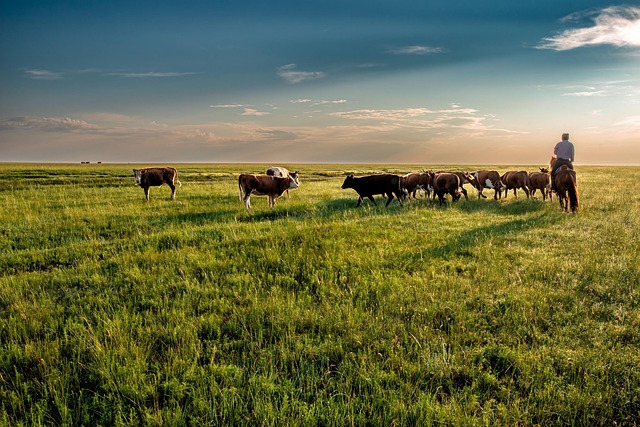
kdolu Flood Farm Clinton Maine stands as one of the most recognized dairy farming operations in the state of Maine. Located in the small town of Clinton, this family-owned farm has built a strong reputation through hard work, innovation, and dedication to agriculture. For generations, the Flood family has cared for the land, raised dairy cattle, and supported the local economy.
Today, many people search for Flood Farm Clinton Maine because they want to learn about its history, dairy production, family values, and contribution to Maine agriculture. Moreover, the farm serves as a great example of how modern farming can work alongside environmental responsibility.
In this complete guide, you will learn everything about Flood Farm Clinton Maine, including its history, daily operations, sustainability programs, economic impact, challenges, opportunities, and future goals.
Flood Farm Clinton Maine is a multi-generation dairy farm located in Clinton, Maine. The farm has become one of the largest dairy operations in the state. Furthermore, it represents the strength of family farming in New England.
The farm focuses on milk production while maintaining strong environmental and community values.
The History of Flood Farm Clinton Maine
The story of Flood Farm Clinton Maine goes back many generations. Historical records show that the family has farmed the land for more than 200 years. Over time, each generation expanded operations while preserving family traditions.
As agriculture evolved, the family adapted to changing technology and consumer demands.
Where Flood Farm Clinton Maine Is Located
Flood Farm Clinton Maine sits in Clinton, a town in Kennebec County. The area offers fertile farmland and a climate that supports dairy production.
Because of its agricultural importance, Clinton is often called Maine’s dairy capital.
Why Clinton Is Known for Dairy Farming
Clinton has long supported dairy agriculture. Large open fields, quality soil, and experienced farming families create ideal conditions.
Therefore, farms like Flood Farm Clinton Maine continue to thrive in the region.
The Flood Family Legacy
Family values remain at the center of Flood Farm Clinton Maine. Several generations actively participate in farm management and daily operations.
As a result, knowledge passes from one generation to the next.
How Flood Farm Clinton Maine Started
Commercial milk production began many decades ago. The family steadily expanded its dairy herd while investing in improved facilities.
Consequently, the farm became one of Maine’s leading dairy operations.
Growth Through the Generations
Each generation brought new ideas. Some focused on herd expansion, while others invested in technology and sustainability.
Because of this long-term planning, Flood Farm Clinton Maine continues to grow.
Dairy Farming Traditions
Traditional farming values still guide decision-making. Hard work, animal care, and stewardship remain top priorities.
Moreover, these traditions help maintain the farm’s reputation.
Modern Farming Practices
Although traditions matter, modern technology also plays a key role. Automated systems help improve efficiency and animal care.
Therefore, the farm balances heritage with innovation.
Herd Management
Managing thousands of cattle requires careful planning. Farm teams monitor health, breeding, nutrition, and comfort every day.
As a result, herd performance remains strong.
Cow Nutrition Programs
Good nutrition supports milk production and animal health. Farmers create balanced diets using corn silage, hay, and other feed ingredients.
Consequently, cows receive the nutrients they need.
Milking Operations
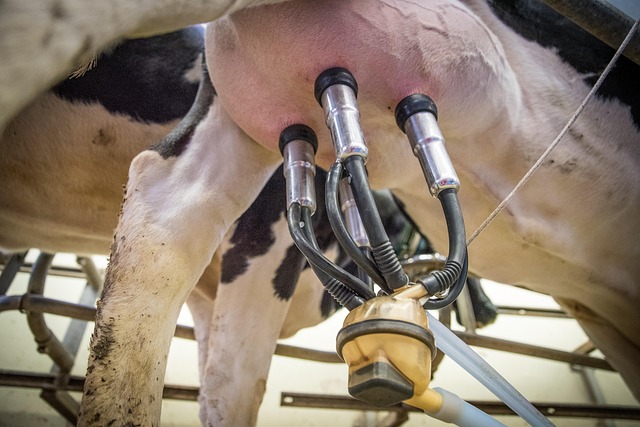
Modern dairy farms rely on advanced milking systems. Flood Farm Clinton Maine uses efficient milking practices to handle large herd sizes.
Milk Production Goals
The farm produces large amounts of milk each day. This production helps meet consumer demand across the region.
Land Management Strategies
Farm managers carefully plan land use. They rotate crops and protect soil quality.
Therefore, future generations can continue farming successfully.
Crop Production
The farm grows feed crops that support dairy cattle nutrition. Corn and hay remain important components of farm operations.
Equipment Used on the Farm
Modern tractors, harvesters, and feeding systems improve efficiency.
Furthermore, equipment upgrades help reduce labor demands.
Technology in Daily Operations
Technology supports health monitoring, milk tracking, and resource management.
As a result, decision-making becomes more accurate.
Employee Contributions
Employees play a vital role at Flood Farm Clinton Maine. They help care for animals, operate machinery, and maintain facilities.
Family Involvement
Family members remain active in leadership positions. Their involvement helps preserve the farm’s culture and vision.
Community Support Programs
The farm supports local businesses and community organizations.
Additionally, educational outreach helps people understand modern agriculture.
Economic Impact on Clinton
Large farms create jobs and support local suppliers.
Therefore, Flood Farm Clinton Maine contributes significantly to the local economy.
Environmental Stewardship
Protecting natural resources remains a major goal. Farm leaders invest in conservation practices whenever possible.
Renewable Energy Initiatives
One of the most exciting developments involves renewable natural gas production. Manure from dairy operations helps generate renewable energy.
Manure Management Systems
Proper manure management protects water quality and improves nutrient recycling.
Consequently, environmental impacts decrease.
Water Conservation Practices
Water serves as a critical farm resource. Efficient systems help reduce waste and improve sustainability.
Soil Health Programs
Healthy soil supports strong crop yields.
Therefore, farmers focus on nutrient management and erosion control.
Sustainability Projects
Sustainability efforts continue expanding across the operation.
Moreover, these projects help prepare for future challenges.
Animal Welfare Standards
Animal comfort directly affects productivity. Therefore, the farm invests in housing, nutrition, and healthcare.
Farm Safety Practices
Safety training protects workers and visitors.
As a result, operations run more smoothly.
Education and Farm Tours
Educational programs help people learn about agriculture.
Furthermore, visitors gain a better understanding of dairy farming.
Local Partnerships
Strong partnerships strengthen the agricultural community.
Therefore, collaboration remains important.
Relationship With Dairy Cooperatives
The farm works closely with dairy organizations and cooperatives that market milk products.
Challenges Facing Dairy Farms
Like many farms, Flood Farm Clinton Maine faces challenges such as rising costs and changing regulations.
Weather Risks
Weather affects crop yields and feed availability.
Therefore, planning remains essential.
Rising Costs
Fuel, equipment, labor, and feed costs continue increasing.
As a result, farm managers must carefully control expenses.
Labor Challenges
Finding skilled workers remains difficult across agriculture.
Consequently, farms invest in training and technology.
Market Competition
Global competition affects milk prices.
Therefore, efficiency becomes increasingly important.
Consumer Expectations
Consumers expect quality, transparency, and sustainability.
Because of this, farms continue improving practices.
Future Opportunities
Renewable energy, automation, and improved genetics offer exciting opportunities.
Therefore, the future looks promising.
Lessons From Flood Farm Clinton Maine
The farm teaches valuable lessons about persistence, adaptation, and family leadership.
Real-Life Success Story
A key success story involves the farm’s ability to expand while remaining family-owned. Over generations, leaders invested in technology and sustainability while protecting their agricultural heritage.
Expert Advice for Farmers
Experts recommend:
- Focus on long-term planning
- Invest in employee development
- Use technology wisely
- Prioritize animal health
- Protect soil resources
- Diversify revenue streams
Advantages of Large Dairy Farms
| Advantage | Description |
| Economies of Scale | Lower production costs |
| Technology Access | Easier investment in innovation |
| Job Creation | Supports local employment |
| Higher Production | Meets consumer demand |
| Sustainability Investments | More resources for improvements |
Disadvantages of Large Dairy Farms
| Disadvantage | Description |
| High Costs | Significant capital investment |
| Labor Needs | Requires skilled workforce |
| Market Risks | Milk prices can fluctuate |
| Regulatory Compliance | Complex regulations |
| Weather Dependency | Crop production remains vulnerable |
Future of Flood Farm Clinton Maine
The future of Flood Farm Clinton Maine appears bright. Sustainability projects, renewable energy systems, and modern management strategies position the farm for continued success.
Furthermore, future generations will likely continue the family’s agricultural legacy.
Frequently Asked Questions
- What is Flood Farm Clinton Maine?
A large family-owned dairy farm located in Clinton, Maine.
- How old is the farm?
The family has farmed the land for over 200 years.
- Where is it located?
In Clinton, Kennebec County, Maine.
- What does the farm produce?
Primarily milk and dairy products.
- Is it family-owned?
Yes, multiple generations remain involved.
- How many cows does it have?
The farm manages thousands of dairy cattle.
- Why is Clinton famous for dairy farming?
The town has a strong agricultural heritage and large dairy operations.
- Does the farm use technology?
Yes, modern technology supports daily operations.
- Does the farm support sustainability?
Yes, sustainability remains a major focus.
- What renewable energy projects are involved?
The farm participates in renewable natural gas initiatives.
- How does the farm help the community?
It creates jobs and supports local businesses.
- What crops does it grow?
Corn, hay, and other feed crops.
- How does the farm protect animals?
Through nutrition, healthcare, and proper housing.
- Does the farm provide education programs?
Yes, it supports agricultural education.
- What challenges does the farm face?
Weather, labor shortages, and market fluctuations.
- Why is animal welfare important?
Healthy animals produce better results.
- How does the farm protect the environment?
Through conservation and nutrient management.
- What makes the farm unique?
Its size, history, and family leadership.
- Can visitors learn about the farm?
Educational opportunities may be available through farm programs.
- What is the future outlook?
Growth, sustainability, and innovation remain key goals.
Conclusion
Flood Farm Clinton Maine represents the best qualities of American family farming. Through hard work, innovation, and community commitment, the Flood family has built one of Maine’s most respected dairy operations. Over generations, the farm has adapted to new challenges while preserving traditional values. As technology and sustainability continue shaping agriculture, it remains a powerful example of how family farms can thrive, support local economies, protect natural resources, and prepare for the future. The story of Flood Farm Clinton Maine shows that dedication, smart planning, and strong family leadership can create lasting success for generations to come.