
 kdolu
kdolu Daily homestead routine planning can turn a busy property into a calm, organized place. Instead of wondering what needs attention next, you can follow a simple order each morning, afternoon, and evening.
A good daily homestead routine does not mean working from sunrise until bedtime. Instead, it means doing the right small jobs at the right time. As a result, animals stay healthier, gardens stay productive, food gets used wisely, and large chores become easier.
This guide gives you a practical plan for a small backyard homestead, family farm, or larger rural property. It also includes real agricultural information, a case study, advantages, disadvantages, expert advice, a chart, 20 FAQs, and useful outside resources.
Daily Homestead Routine Starts With a Morning Check
The best daily homestead routine starts with a quick walk around your property.
First, look at your animals. Check their water, feed, shelter, movement, and general behavior. Next, look over fences, gates, garden beds, and water lines.
You do not need to spend an hour checking everything. A focused 10- to 15-minute inspection can help you notice problems before they become expensive repairs.
Daily Homestead Routine Begins Before Breakfast
For many families, the first jobs happen before breakfast.
Fill animal water containers, provide feed, open suitable poultry housing, and check livestock areas. Then collect eggs if your chickens have already laid them.
After that, make a quick note of anything unusual.
For example, if one chicken stays away from the flock, write it down. Likewise, if a water trough leaks, mark it for repair.
Penn State Extension recommends writing down basic daily animal-care tasks, including feed amounts and watering needs, so another person can step in during an emergency.
Daily Homestead Routine for Chickens
A daily homestead routine becomes easier when chicken care follows the same order every day.
Start with fresh water. Then check feed. After that, inspect the coop and look for broken wire, wet bedding, predators, or unusual bird behavior.
Chicken manure deserves attention, too. University of Minnesota Extension notes that about 85% of chicken droppings are water by weight. Therefore, moisture can quickly create odor and management problems.
You do not need to deep-clean the coop every day. Instead, remove obvious wet or dirty material and keep the area dry.
Daily Homestead Routine for Goats
Goats can add fun and useful food production to a homestead. However, they also need regular checks.
Look at their water first. Then check their feed and fencing. Goats are famous escape artists, so a five-minute fence inspection can save hours of searching later.
Watch how each goat walks and eats. A sudden change can tell you that something may be wrong.
Daily Homestead Routine for Ducks
Ducks need clean water because they use it for drinking, eating, and cleaning their bills.
Therefore, place water containers where spilled water will not turn the ground into a muddy mess.
During your daily homestead routine, check whether ducks have safe shelter at night. Also inspect fencing for gaps.
Daily Homestead Routine for Rabbits
Rabbits need clean water, suitable food, shade, and protection from predators.
First, check each rabbit. Then inspect feeders and water bottles. Finally, remove wet bedding when needed.
Keep the cages or hutches dry and well ventilated. Moreover, record unusual eating or behavior instead of relying only on memory.
Daily Homestead Routine for the Vegetable Garden
Your garden does not need hours of work every day.
Instead, walk through the beds and look closely at leaves, stems, soil, and fruit.
Check for wilted plants, insect damage, weeds, broken stems, and signs of disease. Furthermore, harvest vegetables when they reach the right stage.
USDA guidance recommends checking soil and growing conditions carefully, especially when food crops grow in areas that may have contamination risks.
Daily Homestead Routine for Watering
Watering can become one of the biggest daily jobs during hot weather.
However, avoid automatically watering every plant every morning.
Touch the soil first. Check the weather forecast. Then water based on plant needs, soil conditions, and rainfall.
Deep, sensible watering often works better than constantly wetting the surface.
Daily Homestead Routine for Weeding
Small weeds are much easier to remove than large weeds.
Therefore, spend five or ten minutes pulling young weeds while you walk through the garden.
This simple habit prevents a large weekend project later.
Daily Homestead Routine for Harvesting
Harvesting should become part of your daily homestead routine during the growing season.
Pick ripe tomatoes, beans, cucumbers, berries, herbs, and other ready crops.
Then bring them inside quickly. Wash and store produce according to safe food-handling practices.
USDA recommends proper handling and storage of foods at home to maintain freshness and quality.
Daily Homestead Routine for the Kitchen
A homestead kitchen often turns garden produce into meals.
After harvesting, decide what you will eat today. Then decide what needs refrigeration, freezing, drying, or another safe preservation method.
Do not preserve food using random online recipes when safety matters. Instead, use tested recommendations from trusted agricultural and food-safety sources.
The National Center for Home Food Processing and Preservation works with research-based recommendations for home food preservation.
Daily Homestead Routine for Eggs
If you keep laying hens, collect eggs regularly.
First, inspect each egg. Then clean and store them according to your local food-safety guidance.
Keep clean containers available. Also record unusually high or low egg production.
Over time, these records can help you understand seasonal changes.
Daily Homestead Routine for Compost
Compost turns suitable organic material into something useful for the garden.
During your daily homestead routine, place appropriate plant scraps into the compost area. Add dry leaves or other suitable carbon-rich material as needed.
USDA Agricultural Research Service explains that compost can improve soil structure and water-holding capacity.
USDA also describes composting as a way to divert food scraps and yard waste from landfills while producing useful material for soil.
Daily Homestead Routine for Soil Care
Healthy soil is the foundation of a productive garden.
However, do not add fertilizer simply because a plant looks weak.
Instead, test the soil when appropriate. A USDA small-farm technical note says basic soil testing can provide information about pH and important nutrients, while testing every 2–4 years is generally suggested for many situations.
That simple test can prevent unnecessary fertilizer use.
Daily Homestead Routine for Tools
Put tools away after using them.
This sounds boring, but it saves time.
A shovel left in the rain can rust. A pruning tool left in the grass can disappear. A hose left across a path can become a trip hazard.
Therefore, create one storage place for garden tools, animal tools, and repair equipment.
Daily Homestead Routine for Fences
Walk along important fences regularly.
Look for loose posts, broken wire, holes under fencing, and damaged gates.
Predators may need only one weak point to enter an animal area. Likewise, one broken section may allow goats or other animals to escape.
Daily Homestead Routine for Water Systems
Water problems can grow quickly.
Check hoses, pipes, troughs, irrigation lines, and outdoor taps.
If you notice a small leak, repair it early. Consequently, you may avoid wasted water and damaged soil.
Daily Homestead Routine for Food Storage
A productive homestead can produce more food than a family can eat immediately.
Therefore, storage matters.
Label frozen foods with names and dates. Keep dry foods in suitable containers. Rotate older supplies before opening newer ones.
This simple “first in, first out” system reduces waste.
Daily Homestead Routine for Pantry Checks
Spend a few minutes checking the pantry each week.
Look for foods that need to be used soon. Then build meals around those ingredients.
For example, extra potatoes can become dinner. Surplus herbs can become dried herbs. Excess vegetables can become soup ingredients.
Daily Homestead Routine for Laundry and Cleaning
Homesteading creates dirt.
That does not mean your home needs a huge cleaning session every day.
Instead, use short blocks. Sweep the main floor, clean the kitchen after food preparation, and wash work clothes when needed.
Small daily actions prevent large cleaning piles.
Daily Homestead Routine for Record Keeping
Good records can make a homestead much easier to manage.
Write down:
- Eggs collected
- Feed used
- Garden harvests
- Seeds planted
- Animal observations
- Repairs needed
- Food preserved
- Important expenses
A simple notebook works well.
Daily Homestead Routine for Children
Children can safely help with age-appropriate jobs.
For example, a child may collect eggs with supervision, refill a small watering can, gather vegetables, or help sort seeds.
However, adults should manage dangerous tools, chemicals, machinery, and animals that may pose a safety risk.
The goal is to teach useful skills without turning chores into punishment.
Daily Homestead Routine for Busy Families
Not everyone has six hours available for homesteading.
That is fine.
A busy family can use a 30-minute morning block and a 20-minute evening block.
Focus first on animals, water, food, and safety. Then complete optional jobs when time allows.
Daily Homestead Routine for Rainy Days
Rain changes your priorities.
You may not need to water plants, but you should check drainage, animal shelters, muddy areas, roofs, and water flow.
Move animals away from unsafe standing water when needed.
Also use rainy days for indoor tasks such as seed planning, cooking, cleaning, mending, and record keeping.
Daily Homestead Routine During Hot Weather
Hot weather requires extra attention to water and shade.
Check animals earlier in the morning and again later in the day. Make sure water containers stay available and clean.
Plants may also need closer observation.
However, avoid unnecessary heavy outdoor work during the hottest part of the day.
Daily Homestead Routine in Cold Weather
Cold weather changes the schedule again.
Check frozen water, shelter, bedding, gates, and vulnerable plants.
Keep emergency supplies ready before a major cold spell arrives.
A good homesteader prepares before the problem appears.
Daily Homestead Routine for Garden Planning
Every morning does not need to involve physical work.
Some days, planning creates more value than digging.
Review what you planted, what grew well, and what failed. Then make notes for the next season.
The USDA National Agricultural Library describes succession planting and careful use of available garden space as useful ways to increase food production from limited areas.
Daily Homestead Routine for Pest Watching
Do not wait until pests destroy your plants.
Instead, look underneath leaves and around new growth.
Remove pests when practical and identify the problem before choosing a treatment.
Also protect helpful insects whenever possible.
Daily Homestead Routine for Repairs
Create a small repair list.
Write down every broken item rather than trying to remember it.
For example:
- Replace chicken-wire section.
- Repair leaking hose.
- Tighten gate hinge.
- Replace broken garden handle.
- Fix loose shelf.
Then handle urgent jobs first.
Daily Homestead Routine for Evening Checks
The evening check closes the day.
Walk through the animal areas again. Confirm that gates are secure. Check water. Look for predators or unusual animal behavior.
Then check the garden if needed.
Finally, put tools away and write tomorrow’s top three jobs.
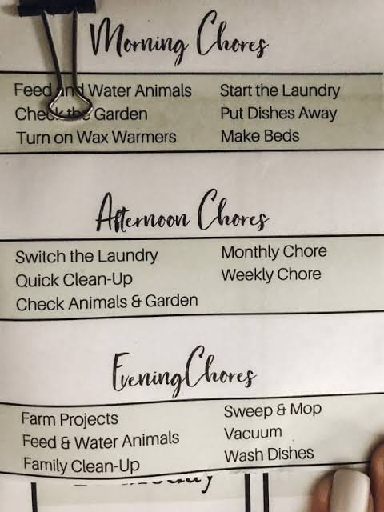
A Practical Daily Homestead Routine Chart
| Time | Main task | Typical time |
| 6:30–7:00 AM | Animal and water check | 15–30 min |
| 7:00–7:15 AM | Eggs and garden inspection | 10–15 min |
| 8:00 AM | Kitchen and food planning | 10 min |
| Midday | Quick garden or animal check | 5–15 min |
| Afternoon | Main project | 30–90 min |
| Evening | Animals, gates, water | 15–25 min |
| Before bed | Notes and tomorrow’s plan | 5 min |
Times are examples, not strict rules. Your climate, property size, animal numbers, season, and family schedule should guide the final plan.
A Real-Life Example of a Small Homestead Day
Consider an illustrative family with six chickens, two goats, three raised garden beds, a compost pile, and a small orchard.
At 6:45 AM, the family checks water and feed. Next, they collect eggs.
At 7:10 AM, one person checks the vegetable beds while another prepares breakfast.
After breakfast, they spend 20 minutes harvesting beans and tomatoes.
In the afternoon, they repair a section of goat fencing.
At 6:00 PM, they perform another animal check. Finally, they record the egg count and harvest.
This example shows why a daily homestead routine does not need to feel complicated. The family spreads small tasks throughout the day.
Case Study: What Soil Testing Can Change
A useful real-world example comes from USDA guidance on small farms and gardens.
Soil testing can reveal pH and nutrient levels before a grower adds fertilizer. A 2025 USDA technical note gives an example of a basic soil test costing around $10, although prices vary by laboratory and location.
That matters because guessing can waste money.
Therefore, instead of adding several products to weak-looking soil, a grower can test first and make a more informed plan.
Expert Advice for Better Homestead Management
Agricultural extension experts repeatedly emphasize observation, records, soil care, animal care, and food safety.
For example, USDA recommends soil testing when contamination may be a concern and advises gardeners to contact local Cooperative Extension offices for testing information.
USDA NRCS also provides soil information through its Web Soil Survey, which contains extensive soil data for planning purposes.
The practical lesson is simple: observe first, record second, and act third.
Advantages of a Daily Homestead Routine
A daily homestead routine offers several benefits.
Better animal care
Regular checks help you notice changes quickly.
Less stress
You know what needs attention.
Lower waste
Harvesting and storing food on time can reduce spoilage.
Better garden results
Frequent observation helps you catch pests, weeds, and water problems early.
More family involvement
Everyone can have a small responsibility.
Better planning
Records help you make smarter decisions next season.
Disadvantages of a Daily Homestead Routine
Homesteading also has challenges.
It takes time
Even small properties require regular care.
Weather changes plans
Heat, rain, storms, and cold can quickly alter the day’s work.
Animals cannot always wait
You still need to provide basic care when you feel tired.
Repetition can become boring
Doing similar tasks every day can feel tiring.
Equipment costs money
Fencing, tools, feed, water systems, and storage can add up.
Still, a simple schedule can reduce many of these problems.
How to Make Daily Homestead Routine Easier
Do not try to complete every job every day.
Instead, divide tasks into three groups:
Must do:
Animals, water, food safety, urgent repairs.
Should do:
Weeding, harvesting, cleaning, compost management.
Can wait:
Large building projects, deep cleaning, major landscaping.
This system protects your time and energy.
The Five-Minute Homestead Rule
When you have very little time, use five minutes wisely.
Check water.
Check animals.
Check gates.
Check the garden.
Check for obvious safety problems.
That short inspection can prevent a much bigger problem later.
Build a Weekly Homestead Reset
Once a week, step back.
Review your notes and ask:
- What went well?
- What broke?
- What food did we waste?
- Which animal needs attention?
- What garden job is next?
- What supplies are running low?
Then make a short plan for the coming week.
Build a Monthly Homestead Reset
Once a month, inspect bigger systems.
Check fencing, tools, storage, feed supplies, garden supports, irrigation, compost, and emergency supplies.
Also review your spending.
This prevents small problems from becoming expensive surprises.
Create a Homestead Emergency List
Keep an emergency list somewhere everyone can find it.
Include animal names, feed instructions, water routines, important contacts, and basic property information.
Penn State Extension specifically recommends documenting daily animal-care information so another caretaker can continue essential work if the usual caretaker becomes unavailable.
Address for a Useful Agriculture Resource
For readers in the United States who want research-based agriculture information, the USDA National Agricultural Library is located at:
10301 Baltimore Avenue
Beltsville, MD 20705, USA
You can also use USDA and Cooperative Extension resources online for gardening, soil, livestock, and food-safety guidance.
Safety Rules Every Homesteader Should Remember
Safety should always come before speed.
Keep chemicals labeled. Store sharp tools safely. Keep children away from dangerous machinery. Wash hands after animal contact and gardening.
Also, use care with manure and compost.
USDA warns that animal-based amendments can create food-safety risks if handled improperly.
Therefore, do not assume that “natural” automatically means “safe.”
Frequently Asked Questions About Daily Homestead Routine
- What is a daily homestead routine?
A daily homestead routine is a simple schedule for completing regular animal, garden, food, cleaning, and property-care tasks.
- How long should a homestead routine take?
It depends on the property. A small homestead may need less than an hour of daily essential work, while a larger farm can require several hours.
- What should I do first every morning?
Start with animals, water, gates, and obvious safety issues.
- Do I need to check chickens every day?
Yes. Daily checks help you monitor food, water, shelter, flock behavior, and security.
- Should I water my garden every day?
Not always. Check soil moisture, weather, plant needs, and local conditions first.
- How often should I test garden soil?
USDA guidance for many small-farm situations suggests testing approximately every two to four years, although specific problems may require more frequent testing.
- Is compost useful on a homestead?
Yes. Properly managed compost can add organic matter and support soil health.
- Can I use fresh manure in my vegetable garden?
Use great care. Raw animal manure can create food-safety risks, so follow current local and research-based guidance.
- What animals need daily attention?
That depends on the species, but livestock and poultry generally need regular checks for food, water, shelter, and health.
- Should children help with homestead chores?
Yes, when the jobs match their age and adults provide proper supervision.
- How can I avoid feeling overwhelmed?
Separate tasks into must-do, should-do, and can-wait groups.
- What should I record?
Record harvests, eggs, animal observations, feed use, repairs, planting dates, and food preservation.
- What is the most important homestead chore?
There is no single answer. Animal care, water, food safety, and property security should usually receive priority.
- Can I have a homestead with a full-time job?
Yes. Start small and create a routine that fits your available time.
- How do I reduce homestead waste?
Compost suitable plant material, plan meals around available food, preserve surplus safely, and repair useful items instead of replacing them immediately.
- How often should I inspect fences?
Check important animal fencing regularly, especially after storms or strong winds.
- What should I do on rainy days?
Focus on indoor work, animal shelter checks, drainage, planning, food preparation, cleaning, and tool care.
- What should I do during extreme heat?
Prioritize water, shade, ventilation, and animal observation. Move strenuous work to cooler periods.
- Can one notebook manage a homestead?
Yes. A simple notebook can track chores, harvests, animal notes, repairs, and future projects.
- What makes the best daily homestead routine?
The best daily homestead routine is one that you can repeat without becoming exhausted. Keep it simple, flexible, and based on your actual property.
Final Daily Homestead Routine Checklist
Use this final checklist to create your own daily homestead routine:
Morning
- ☐ Check animals
- ☐ Provide feed
- ☐ Check water
- ☐ Inspect shelters
- ☐ Collect eggs
- ☐ Walk through the garden
- ☐ Harvest ready produce
Afternoon
- ☐ Complete one main project
- ☐ Weed or water when needed
- ☐ Add suitable material to compost
- ☐ Repair one small problem
- ☐ Store harvested food
Evening
- ☐ Check animals again
- ☐ Check gates and fences
- ☐ Confirm water supplies
- ☐ Put tools away
- ☐ Clean the kitchen
- ☐ Record important observations
- ☐ Choose tomorrow’s top three jobs
The goal of a daily homestead routine is not to create more work. Instead, the goal is to make everyday work easier to understand and easier to finish.
Start small. If you have chickens, begin with animal care. If you have a garden, add a short garden walk. If you preserve food, create a simple storage system. Then build from there.
Over time, these small habits become second nature. Your property becomes easier to manage, your food waste can fall, and you can spend more time enjoying the life you are building.
Recommended authoritative resources
- USDA National Agricultural Library
- USDA Natural Resources Conservation Service
- USDA Web Soil Survey
- University of Minnesota Extension — Raising Chickens for Eggs
- Penn State Extension


