
 kdolu
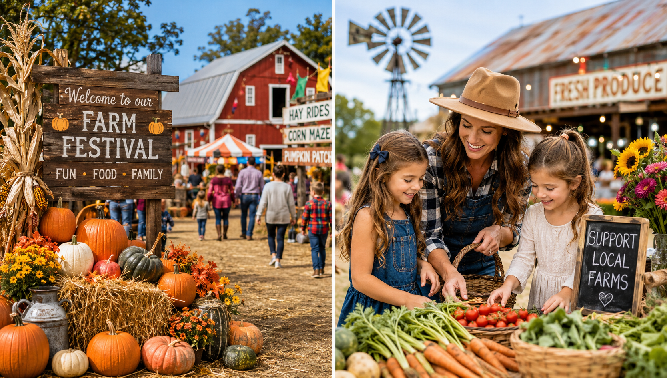
kdolu Cultural festivals; If you love country life, homemade food, friendly people, and family traditions, cultural festivals are a wonderful way to experience the heart of America. Across the United States, small towns and farming communities host exciting festivals every year. These events celebrate history, farming, music, local food, art, and community spirit.
The modern day farm chick lifestyle fits perfectly with these celebrations. It blends old-fashioned values with modern ideas. People enjoy gardening, raising chickens, making homemade crafts, supporting local farmers, and spending time outdoors. Because of this, many rural festivals have become popular destinations for families, travelers, bloggers, and photographers.
Whether you visit an apple festival in New England, a sunflower festival in Kansas, a pumpkin harvest in Virginia, or a strawberry festival in Florida, every event offers something special. Moreover, these festivals help preserve local traditions while creating new memories for future generations.
This complete guide explores the best cultural festivals connected with the modern day farm chick lifestyle across the USA through December 2026.
What Are Cultural Festivals?
Cultural festivals bring people together to celebrate shared traditions, local history, food, music, farming, and art. Every community has its own unique story. Therefore, festivals help keep those stories alive.
Many rural festivals started over one hundred years ago. Farmers celebrated successful harvests, welcomed changing seasons, and thanked neighbors for helping throughout the year.
Today, these festivals are much larger. However, they still keep the same welcoming feeling.
Visitors often enjoy:
- Fresh local food
- Homemade pies
- Farm tours
- Craft vendors
- Live country music
- Tractor displays
- Petting zoos
- Horse rides
- Hayrides
- Farmers markets
Each activity reflects the values of the modern day farm chick lifestyle.
Why the Modern Day Farm Chick Lifestyle Is Growing
The modern day farm chick movement has become very popular across America. More people now enjoy slower living instead of busy city life.
For example, many families now:
- Grow vegetables
- Raise backyard chickens
- Bake homemade bread
- Preserve fresh fruits
- Decorate with farmhouse style
- Shop locally
- Support family farms
As a result, interest in cultural festivals continues to grow.
Many visitors do not even own farms. Instead, they simply enjoy learning about country traditions while supporting local communities.
The Connection Between Cultural Festivals and Modern Day Farm Chick Living
The connection is easy to understand.
Farm life follows the seasons.
Festivals also follow the seasons.
Every season brings new activities, fresh crops, and different celebrations.
For example:
| Season | Popular Farm Festival |
| Spring | Tulip festivals |
| Summer | Berry festivals |
| Fall | Pumpkin festivals |
| Winter | Christmas markets |
Because nature changes throughout the year, every festival feels different.
History of Cultural Festivals in America
Long before modern entertainment existed, people gathered after planting and harvesting crops.
These gatherings included:
- Music
- Dancing
- Storytelling
- Shared meals
- Local competitions
Eventually, many of these celebrations became annual cultural festivals.
Today, thousands of festivals happen across the United States every year.
Many continue traditions that began over 100 years ago.
Why Families Love Cultural Festivals
Families enjoy festivals because everyone finds something fun.
Children love:
- Animals
- Pony rides
- Corn mazes
- Pumpkin patches
Parents enjoy:
- Local shopping
- Fresh produce
- Handmade gifts
- Live music
Grandparents appreciate:
- Historic displays
- Classic tractors
- Traditional recipes
Therefore, festivals create memories across generations.
How Cultural Festivals Support Local Farmers
One of the biggest benefits is helping local farms.
Instead of buying food from large stores, visitors purchase directly from farmers.
They often buy:
- Honey
- Eggs
- Cheese
- Fresh vegetables
- Homemade jam
- Fresh flowers
As a result, money stays in local communities.
This support helps small farms continue operating.
Cultural Festivals Bring Communities Together
Many neighbors only see each other during local events.
However, festivals give everyone a reason to gather.
People volunteer together.
Schools participate.
Church groups organize meals.
Local businesses sponsor activities.
Because of this teamwork, communities become stronger.
Spring Cultural Festivals
Spring marks new beginnings.
Flowers bloom.
Animals have babies.
Gardens start growing.
Popular spring festivals include:
- Tulip festivals
- Maple syrup festivals
- Wildflower celebrations
- Garden tours
- Easter farm events
Many modern day farm chick families begin planting gardens during this season.
Why Spring Is Perfect for Farm Festivals
The weather feels comfortable.
Fresh flowers cover the countryside.
Baby animals attract families.
Markets begin selling fresh produce again.
Additionally, many photographers visit spring festivals for beautiful pictures.
Summer Cultural Festivals
Summer is the busiest festival season.
Schools close.
Families travel.
Farmers harvest many crops.
Popular summer festivals include:
- Strawberry festivals
- Blueberry festivals
- Peach festivals
- Sweet corn festivals
- County fairs
Visitors often spend entire weekends enjoying these celebrations.
Farm Fresh Food at Summer Festivals
Food is one of the biggest attractions.
Visitors enjoy:
- Fresh lemonade
- Barbecue
- Homemade pies
- Ice cream
- Roasted corn
- Fresh berries
Many recipes use ingredients harvested that same morning.
Therefore, every meal tastes incredibly fresh.
Handmade Crafts Celebrate Local Talent
Most cultural festivals include large craft markets.
Visitors discover:
- Quilts
- Pottery
- Woodworking
- Candles
- Soap
- Jewelry
- Wreaths
- Seasonal decorations
Buying handmade products helps local artists earn income.
At the same time, shoppers take home one-of-a-kind souvenirs.
Country Music Creates the Festival Atmosphere
Music brings every festival to life.
Many events feature:
- Bluegrass bands
- Country singers
- Gospel choirs
- Folk musicians
Children dance.
Families sing together.
Neighbors meet while enjoying performances.
Because live music creates happy memories, it remains one of the most popular festival attractions.
Farm Animals Become Festival Stars
Animals always attract visitors.
Many farms allow children to meet:
- Chickens
- Ducks
- Goats
- Sheep
- Alpacas
- Rabbits
- Horses
- Cows
For many city children, this becomes their very first farm experience.
That makes these festivals educational as well as entertaining.
Farmers Markets at Cultural Festivals
Fresh markets are often the busiest area.
Visitors shop for:
- Tomatoes
- Sweet corn
- Cucumbers
- Apples
- Fresh herbs
- Honey
- Homemade bread
- Local cheese
Many people arrive early because popular products sell quickly.
Why Modern Day Farm Chick Bloggers Love Festivals
Many bloggers focus on:
- Farmhouse decorating
- Gardening
- DIY crafts
- Rural recipes
- Chicken keeping
- Sustainable living
Because cultural festivals offer endless inspiration, bloggers regularly visit these events.
They photograph beautiful barns.
They share seasonal recipes.
They interview local farmers.
They also inspire more families to explore rural America.
Real-Life Example: A Family Weekend at a Harvest Festival
The Johnson family from Ohio wanted a simple weekend away without spending a lot of money.
Instead of visiting a crowded city, they attended a nearby harvest festival.
Their children enjoyed feeding goats, riding hay wagons, and picking pumpkins.
Meanwhile, the parents bought fresh vegetables, homemade candles, and locally produced honey.
The grandparents loved watching an antique tractor parade and listening to live bluegrass music.
By the end of the weekend, the family had spent less than a typical amusement park visit while creating meaningful memories together.
Their experience shows why cultural festivals continue to grow in popularity among families embracing the modern day farm chick lifestyle.
Cultural Festivals During the Autumn Harvest Season
Autumn is the most popular time for cultural festivals across the United States. As the weather becomes cooler, farms welcome thousands of visitors every weekend. Bright pumpkins, colorful leaves, fresh apples, and country music create a warm and friendly atmosphere.
The modern day farm chick lifestyle shines during autumn because many people enjoy decorating their homes with natural items from local farms. Families also spend time outdoors instead of staying inside.
Many fall festivals include:
- Pumpkin patches
- Corn mazes
- Hayrides
- Apple picking
- Scarecrow contests
- Homemade pie competitions
- Farm markets
- Tractor rides
Moreover, many visitors return to the same festivals every year because they become family traditions.
Why Pumpkin Festivals Remain Favorite Cultural Festivals
Pumpkin festivals are among the best-loved cultural festivals in America.
Every October, farms display pumpkins of every size. Some weigh only one pound, while others weigh more than 1,500 pounds.
Visitors enjoy activities such as:
- Pumpkin carving
- Pumpkin painting
- Pumpkin pie tasting
- Pumpkin decorating contests
- Giant pumpkin competitions
Meanwhile, local farmers earn extra income during the busy harvest season.
Children especially enjoy choosing the perfect pumpkin to take home.
Apple Festivals Celebrate Local Farmers
Apple festivals have become another important part of American cultural festivals.
Many states grow delicious apples, including:
- New York
- Virginia
- Michigan
- Washington
- North Carolina
Visitors often enjoy:
- Fresh apple cider
- Apple doughnuts
- Caramel apples
- Apple butter
- Apple pie
- Orchard tours
Additionally, many orchards allow families to pick apples straight from the trees.
This experience helps children understand where food comes from.
Corn Mazes Add Adventure to Cultural Festivals
Corn mazes have become one of the biggest attractions at cultural festivals.
Farmers carefully plant corn to create giant puzzles.
Some mazes cover several acres.
Others include bridges, observation towers, and hidden checkpoints.
Families work together to find the exit.
Because teamwork makes the activity more exciting, corn mazes continue growing in popularity every year.
Sunflower Festivals Brighten Rural Communities
Sunflower fields attract thousands of photographers every summer and early fall.
Many cultural festivals now include sunflower experiences because visitors love taking pictures among bright yellow flowers.
Popular activities include:
- Photography
- Flower picking
- Farm shopping
- Local food trucks
- Outdoor concerts
- Craft markets
The cheerful atmosphere makes sunflower festivals perfect for family trips.
Christmas Cultural Festivals Bring Small Town Magic
Winter brings another exciting season of cultural festivals.
Many farms transform into holiday villages.
Visitors enjoy:
- Christmas lights
- Horse wagon rides
- Holiday markets
- Santa visits
- Fresh wreaths
- Hot chocolate
- Handmade ornaments
The modern day farm chick lifestyle fits perfectly with these cozy traditions because many families enjoy simple holiday celebrations.
Why Handmade Gifts Matter at Cultural Festivals
One reason people love cultural festivals is the chance to buy handmade products.
Unlike factory-made items, handmade gifts often tell a story.
Popular products include:
- Homemade candles
- Wooden signs
- Quilts
- Soaps
- Honey
- Pottery
- Christmas ornaments
- Hand-painted decorations
Buying from local artists supports small businesses while giving shoppers something truly unique.
Farmhouse Decorating Ideas Inspired by Cultural Festivals
Many visitors leave cultural festivals with decorating ideas.
Popular farmhouse decorations include:
- Wooden crates
- Cotton stems
- Mason jars
- Galvanized buckets
- Rustic lanterns
- Vintage milk cans
- Barn wood shelves
The modern day farm chick style mixes old country charm with modern comfort.
As a result, farmhouse decorating continues growing across the United States.
Gardening Demonstrations at Cultural Festivals
Many festivals teach practical gardening skills.
Visitors learn:
- Vegetable gardening
- Composting
- Flower planting
- Raised garden beds
- Organic gardening
- Seed saving
These demonstrations help beginners start their own backyard gardens.
Furthermore, experienced gardeners enjoy discovering new growing methods.
Backyard Chickens and the Modern Day Farm Chick Lifestyle
Backyard chickens have become extremely popular.
Many cultural festivals now include chicken exhibits.
Visitors learn:
- Best chicken breeds
- Feeding tips
- Coop building
- Egg collection
- Predator protection
Children especially enjoy meeting friendly hens and collecting fresh eggs.
These experiences inspire many families to begin raising chickens at home.
Local Food Makes Cultural Festivals Special
Fresh food remains one of the biggest reasons people attend cultural festivals.
Unlike fast food, festival meals often use ingredients grown nearby.
Popular favorites include:
- Fresh barbecue
- Homemade biscuits
- Fried chicken
- Cornbread
- Peach cobbler
- Sweet tea
- Fresh vegetables
- Local cheeses
Because ingredients travel only a short distance, the food tastes fresher.
Cultural Festivals Help Preserve American Traditions
Many traditions could disappear without community festivals.
Fortunately, cultural festivals keep these customs alive.
Visitors watch:
- Blacksmith demonstrations
- Quilt making
- Basket weaving
- Wood carving
- Butter churning
- Traditional cooking
Young people learn skills that older generations have practiced for decades.
Therefore, festivals become living classrooms.
Farm Photography Opportunities
Photography has become a major reason people attend cultural festivals.
Popular photo locations include:
- Red barns
- Sunflower fields
- Pumpkin patches
- Apple orchards
- Covered bridges
- Rustic fences
- Farm animals
Many social media creators also visit festivals to share beautiful rural scenery.
However, respectful photography always comes first.
Visitors should follow farm rules and avoid disturbing animals.
Case Study – A Small Farm Grew Through Cultural Festivals
A family-owned farm in Tennessee struggled to earn enough money by selling vegetables alone.
Instead of giving up, the owners created a fall cultural festival.
First, they added hayrides.
Next, they opened a pumpkin patch.
Then, they invited local musicians and craft vendors.
Within three years:
| Before Festival | After Festival |
| Seasonal vegetable sales only | Multiple income sources |
| Small number of visitors | Thousands of annual visitors |
| Limited local awareness | Strong regional reputation |
| Few fall activities | Full family destination |
| Short customer visits | Day-long experiences |
Today, the farm earns income from admission tickets, food sales, local crafts, fresh produce, and educational tours.
This real-life example shows how creative planning can strengthen both family farms and local communities.
Benefits of Visiting Cultural Festivals
Visiting cultural festivals offers many advantages.
| Benefit | Why It Matters |
| Family bonding | Creates lasting memories |
| Supports local farmers | Helps small businesses grow |
| Educational | Children learn about agriculture |
| Healthy outdoor fun | Encourages active lifestyles |
| Local shopping | Supports handmade products |
| Community pride | Strengthens neighborhoods |
| Cultural learning | Preserves traditions |
| Seasonal enjoyment | Celebrates every season |
Families often return year after year because every visit offers something new.
Cultural Festivals Across Different Regions of the USA
Every part of America celebrates its own history and farming traditions. Therefore, traveling to different regions lets you experience many kinds of cultural festivals.
| Region | Popular Festival Themes |
| Northeast | Apple harvests, maple syrup, fall foliage |
| Southeast | Peaches, peanuts, seafood, country music |
| Midwest | Corn, soybeans, county fairs, dairy farms |
| Southwest | Native American culture, chili, desert crafts |
| West | Wine harvests, lavender farms, flower festivals |
Each region has its own traditions, foods, and farming styles. As a result, no two festivals feel exactly the same.
Small-Town Cultural Festivals Create Lasting Memories
Many people believe the best cultural festivals happen in small towns.
Unlike large city events, small-town festivals often feel personal. Shop owners greet visitors by name, volunteers welcome guests with smiles, and local families proudly share their traditions.
Common activities include:
- Community parades
- Antique tractor displays
- Pie baking contests
- Local history exhibits
- Children’s games
- Evening concerts
These simple moments often become the most memorable part of a trip.
Why the Modern Day Farm Chick Lifestyle Inspires Young Families
The modern day farm chick lifestyle is attracting many younger families.
Parents want their children to:
- Spend more time outdoors.
- Learn practical skills.
- Eat fresh food.
- Meet local farmers.
- Understand where food comes from.
Because of these goals, many families now plan vacations around cultural festivals instead of crowded amusement parks.
Festival Fashion for the Modern Day Farm Chick
Comfort matters at farm festivals, but style matters too.
Popular festival clothing includes:
- Denim jeans
- Plaid shirts
- Cotton dresses
- Cowboy boots
- Straw hats
- Light sweaters
- Comfortable walking shoes
Many visitors also choose handmade jewelry and locally crafted accessories to match the relaxed country atmosphere.
Budget-Friendly Ways to Enjoy Cultural Festivals
You do not need a large budget to enjoy cultural festivals.
Here are simple ways to save money:
- Visit free community festivals.
- Buy tickets online when discounts are available.
- Bring reusable water bottles.
- Share food portions with family members.
- Shop at local farm stands instead of expensive gift stores.
- Visit during weekday events when crowds are smaller.
- Pack sunscreen and comfortable shoes to avoid extra purchases.
With careful planning, a family can enjoy a full day without spending a fortune.
Planning Your Festival Trip
Good planning makes every festival visit more enjoyable.
Before you leave:
- Check the event schedule.
- Look at the weather forecast.
- Wear comfortable clothing.
- Bring cash because some vendors do not accept cards.
- Charge your phone.
- Arrive early for parking.
- Carry a reusable shopping bag for farm products.
These small steps help you enjoy the day with less stress.
Safety Tips for Cultural Festivals
Most cultural festivals are safe and family-friendly. However, a little preparation goes a long way.
Remember to:
- Stay hydrated.
- Wear sunscreen.
- Watch young children near animals.
- Follow farm safety signs.
- Wash hands after touching livestock.
- Respect restricted areas.
- Keep valuable items secure.
Safety allows everyone to enjoy the event with confidence.
Sustainable Living at Cultural Festivals
Many festivals now encourage environmentally friendly practices.
Examples include:
- Recycling stations
- Compost bins
- Reusable food containers
- Local food sourcing
- Solar-powered displays
- Water refill stations
The modern day farm chick lifestyle also supports sustainability by encouraging home gardening, composting, and reducing waste.
Small actions from many visitors can make a big difference.
Volunteer Opportunities at Cultural Festivals
Many festivals depend on volunteers.
Volunteers help with:
- Parking
- Greeting visitors
- Children’s activities
- Ticket booths
- Information centers
- Cleanup teams
Volunteering is a great way to meet new people while supporting your community.
Many volunteers return every year because they enjoy being part of the event.
How Social Media Helps Cultural Festivals Grow
Today, social media introduces thousands of people to cultural festivals.
Visitors often share:
- Beautiful farm photos
- Festival food
- Live music
- Handmade crafts
- Family memories
As these photos spread online, more travelers discover small towns they might never have visited before.
Even so, the real experience is always better than a picture.
Common Challenges Facing Cultural Festivals
Although festivals are popular, organizers face several challenges.
Some common issues include:
Weather
Heavy rain or strong winds can reduce attendance.
Rising Costs
Food, equipment, and insurance continue to become more expensive.
Volunteer Shortages
Some communities struggle to find enough helpers.
Parking
Large crowds can create traffic problems.
Changing Visitor Expectations
Guests now expect online tickets, digital maps, and updated schedules.
Despite these challenges, most communities continue improving their events each year.
Advantages and Disadvantages of Cultural Festivals
| Advantages | Disadvantages |
| Supports local farms | Weather may affect events |
| Creates family memories | Large crowds at popular festivals |
| Encourages outdoor activities | Parking can be limited |
| Promotes local businesses | Some activities require extra fees |
| Preserves traditions | Weekend traffic may increase |
| Provides educational experiences | Seasonal events are limited |
The advantages usually outweigh the disadvantages, especially when visitors plan ahead.
Expert Advice for First-Time Festival Visitors
If this is your first visit to a farm festival, these expert tips will help.
- Start with one full-day event instead of trying to visit several in one weekend.
- Wear layers because country weather can change quickly.
- Support local vendors whenever possible.
- Ask farmers questions—they enjoy sharing their knowledge.
- Let children participate in hands-on activities.
- Try at least one local specialty food.
- Leave enough room in your vehicle for farm purchases.
These simple ideas can turn a good trip into a great one.
Looking Ahead to Cultural Festivals Through December 2026
Interest in cultural festivals is expected to remain strong through December 2026.
Several trends continue to grow:
- Farm-to-table dining experiences
- Pick-your-own produce events
- Educational workshops
- Artisan markets
- Sustainable farming demonstrations
- Family camping weekends
- Seasonal flower festivals
- Holiday farm celebrations
Communities are also adding more interactive activities so visitors can learn by doing instead of simply watching.
Why Cultural Festivals Continue to Matter
Even in a fast-moving world, cultural festivals remind us to slow down.
They celebrate:
- Family
- Friendship
- Farming
- Local history
- Handmade craftsmanship
- Good food
- Community spirit
The modern day farm chick lifestyle reflects these same values. It encourages people to appreciate simple pleasures, support local businesses, and build stronger connections with nature and neighbors.
As more families look for meaningful experiences, these festivals will remain an important part of American life.
Cultural Festivals Help Children Learn Outside the Classroom
Many parents look for fun ways to teach their children. Cultural festivals make learning exciting because children can see, touch, and experience new things.
At many farm festivals, children learn about:
- Planting seeds
- Feeding farm animals
- Honey bees
- Local history
- Farm equipment
- Healthy food
- Nature
- Weather
Instead of reading about farming in a book, children experience it firsthand. As a result, they remember what they learn for a long time.
Supporting Local Businesses Through Cultural Festivals
Every ticket purchased helps more than the festival itself.
Visitors also support:
- Family farms
- Restaurants
- Coffee shops
- Local hotels
- Craft stores
- Farmers markets
- Food trucks
- Small bakeries
Therefore, one weekend festival can help an entire community.
Many small businesses earn a large part of their yearly income during festival season.
The Best Foods to Try at Cultural Festivals
Food is one of the biggest highlights of cultural festivals.
Every region has special recipes that reflect local traditions.
Popular festival foods include:
- Homemade apple pie
- Fresh peach cobbler
- Sweet corn
- Barbecue
- Fried chicken
- Fresh lemonade
- Homemade ice cream
- Country biscuits
- Honey products
- Maple syrup treats
Trying local food is one of the easiest ways to experience the culture of a community.
Farm Animals That Visitors Love Meeting
The modern day farm chick lifestyle celebrates caring for animals.
Many festivals feature friendly farm animals, including:
- Chickens
- Ducks
- Goats
- Sheep
- Horses
- Alpacas
- Donkeys
- Rabbits
- Dairy cows
Children often enjoy petting zoos because they can safely meet animals under the supervision of trained staff.
These experiences also teach respect for animals and farming.
How Cultural Festivals Encourage Healthy Living
Many people think festivals are only about food and entertainment. However, they also encourage healthier habits.
Visitors usually spend hours:
- Walking
- Exploring farms
- Shopping outdoors
- Watching demonstrations
- Meeting local farmers
Fresh air, exercise, and healthy local food all contribute to a more active lifestyle.
Photography Tips for Farm Festivals
Beautiful memories deserve beautiful photos.
For the best festival pictures:
- Visit early in the morning for soft sunlight.
- Ask permission before photographing people.
- Respect private farm areas.
- Focus on natural moments.
- Include barns, flowers, and animals in your photos.
- Capture local traditions instead of only decorations.
Simple pictures often tell the best stories.
Seasonal Decorations Inspired by Cultural Festivals
Many visitors decorate their homes after attending cultural festivals.
Popular seasonal decorations include:
Spring
- Fresh flowers
- Bird nests
- Mason jars
- Garden wreaths
Summer
- Sunflowers
- Wooden signs
- Wildflowers
- Farm baskets
Autumn
- Pumpkins
- Corn stalks
- Hay bales
- Colorful leaves
Winter
- Pine wreaths
- Evergreen branches
- Rustic lanterns
- Handmade ornaments
These decorations bring a little country charm into everyday life.
Real-Life Example – A Weekend That Became a Family Tradition
The Carter family from Missouri visited a local harvest festival in 2022 after seeing a recommendation from a neighbor.
They enjoyed the hayride, bought homemade jam, watched a blacksmith demonstration, and picked pumpkins together.
The children loved feeding goats, while the grandparents spent time listening to bluegrass music.
Because everyone found something they enjoyed, the family returned the following year. They have now made the trip an annual tradition and invite friends to join them.
Their story shows how cultural festivals can strengthen family relationships and create lasting memories.
Festival Budget Planning Checklist
A little planning helps you enjoy more while spending wisely.
| Item | Why It Helps |
| Set a budget | Avoid overspending |
| Buy tickets early | Save money |
| Bring reusable bags | Carry local purchases |
| Pack water | Reduce extra costs |
| Wear comfortable shoes | Walk longer without discomfort |
| Bring cash | Helpful for small vendors |
| Check the weather | Dress appropriately |
| Arrive early | Find easier parking |
Following this checklist makes the day smoother and more enjoyable.
Mistakes to Avoid at Cultural Festivals
Even experienced visitors sometimes make simple mistakes.
Avoid these common problems:
- Wearing uncomfortable shoes
- Forgetting sunscreen
- Arriving late
- Ignoring weather forecasts
- Bringing large bags that become heavy
- Missing the event schedule
- Skipping local food vendors
- Forgetting a phone charger
Planning ahead helps you enjoy every activity.
Future Trends for Cultural Festivals Through December 2026
The future looks bright for cultural festivals.
Several trends continue to grow across the USA:
- Interactive farm tours
- Hands-on gardening workshops
- Sustainable farming demonstrations
- Farm-to-table dining events
- Children’s educational programs
- Local artisan markets
- Wellness activities
- Flower-picking experiences
- Farm camping weekends
Many organizers are also adding online ticketing, mobile maps, and digital schedules to improve the visitor experience while keeping the traditional community spirit alive.
Expert Advice for Families Visiting Farm Festivals
Travel experts and experienced festival organizers often recommend the same practical tips.
- Choose festivals that match your family’s interests.
- Plan enough time to enjoy activities without rushing.
- Encourage children to ask farmers questions.
- Buy at least one product from a local vendor.
- Respect farm animals and follow safety rules.
- Stay flexible because weather may change outdoor plans.
These simple habits help families have a safe, relaxing, and memorable visit.
Why the Modern Day Farm Chick Lifestyle Continues to Grow
The modern day farm chick lifestyle appeals to people who want a slower pace, stronger communities, and a closer connection to nature.
Many people now enjoy:
- Growing vegetables
- Baking homemade bread
- Raising backyard chickens
- Shopping at farmers markets
- Decorating with farmhouse style
- Supporting local farms
Because these interests continue to grow, cultural festivals remain more popular than ever. They provide opportunities to learn, celebrate traditions, and support rural communities across the United States.
Final Thoughts Before the FAQ Section
By now, it is easy to see why cultural festivals are much more than weekend entertainment. They celebrate local history, farming, family traditions, handmade crafts, music, and community spirit.
Whether you visit a spring flower festival, a summer berry celebration, an autumn pumpkin patch, or a winter holiday market, each event offers something unique.
The modern day farm chick lifestyle encourages people to appreciate these experiences, support local farmers, and create meaningful memories that last for years.

Frequently Asked Questions (FAQs)
- What are cultural festivals?
Cultural festivals are community events that celebrate local traditions, food, music, history, farming, art, and family values. They help people learn about different cultures while supporting local communities.
- Why are cultural festivals important?
They preserve traditions, support local businesses, educate children, strengthen communities, and create lasting family memories.
- What is the modern day farm chick lifestyle?
The modern day farm chick lifestyle combines traditional country living with modern ideas. It often includes gardening, raising backyard chickens, farmhouse decorating, homemade cooking, and supporting local farms.
- Who can enjoy cultural festivals?
Everyone can enjoy cultural festivals. Families, couples, children, seniors, photographers, gardeners, food lovers, and travelers all find activities that match their interests.
- What should I wear to a farm festival?
Wear comfortable walking shoes, weather-appropriate clothing, a hat for sunny days, and layers if temperatures may change.
- Are cultural festivals good for children?
Yes. Many festivals offer educational activities, petting zoos, hayrides, craft workshops, and games that help children learn while having fun.
- When is the best time to visit cultural festivals?
Spring and fall are usually the busiest seasons. However, summer berry festivals and winter holiday markets are also excellent choices.
- Are farm festivals expensive?
Many are free or charge a small admission fee. Planning ahead and setting a budget can help keep costs low.
- Can I buy fresh food at cultural festivals?
Yes. Most festivals feature farmers markets where visitors can buy fresh fruits, vegetables, honey, baked goods, cheese, jams, and other locally produced foods.
- Do festivals help local farmers?
Absolutely. Buying local products and attending events helps family farms earn additional income and strengthens rural economies.
- Can I bring my camera?
Yes. Photography is welcome at many festivals. However, always follow event rules and ask permission before taking close-up photos of people.
- How do cultural festivals preserve history?
They keep traditional crafts, recipes, music, farming methods, and local stories alive by sharing them with younger generations.
- What activities are common at farm festivals?
Popular activities include:
- Hayrides
- Pumpkin patches
- Corn mazes
- Apple picking
- Craft markets
- Live music
- Tractor displays
- Farm tours
- Petting zoos
- Food tastings
- Are cultural festivals available throughout the year?
Yes. Spring flower festivals, summer harvest celebrations, autumn pumpkin events, and winter holiday markets provide year-round experiences.
- How can I support my local festival?
Purchase tickets, shop from local vendors, volunteer, share the event with friends, and buy products from participating farms.
- What should I bring to a festival?
Bring comfortable shoes, sunscreen, reusable shopping bags, water, a camera, cash for small vendors, and weather-appropriate clothing.
- Are cultural festivals educational?
Yes. Visitors often learn about agriculture, local history, gardening, cooking, sustainability, and traditional crafts through hands-on experiences.
- Why do photographers enjoy cultural festivals?
Festivals provide colorful flowers, historic barns, farm animals, seasonal decorations, smiling families, and beautiful rural landscapes.
- Will cultural festivals continue growing through December 2026?
Current trends suggest continued growth. Communities are expanding educational workshops, artisan markets, sustainable farming demonstrations, and family-friendly activities.
- Why should I experience a cultural festival at least once?
A festival offers more than entertainment. It allows you to connect with local people, enjoy fresh food, support small businesses, learn about farming, and create meaningful memories with family and friends.
Conclusion
Cultural festivals are one of the best ways to experience the heart of rural America. They bring together families, neighbors, farmers, artists, musicians, and visitors to celebrate traditions that have been passed down through generations.
The modern day farm chick lifestyle fits naturally with these celebrations. Whether you enjoy growing a garden, decorating your home with farmhouse style, raising backyard chickens, cooking homemade meals, or simply spending time outdoors, these festivals provide inspiration throughout the year.
From colorful spring flower festivals to lively summer county fairs, from autumn pumpkin patches to magical Christmas markets, every season offers new experiences. More importantly, every visit supports local farms, small businesses, and community organizations that keep these traditions alive.
Looking ahead through December 2026, interest in cultural festivals is expected to remain strong as more people seek meaningful travel, authentic local experiences, and stronger connections with nature and rural communities.
If you are planning your next family outing, weekend getaway, or road trip, consider adding a local cultural festival to your travel plans. You will discover friendly people, delicious homemade food, beautiful countryside, and memories that can last a lifetime.
Key Takeaways
- Cultural festivals celebrate history, farming, food, music, art, and local traditions.
- The modern day farm chick lifestyle embraces simple living, sustainability, and community.
- Festivals support family farms, local artists, and small businesses.
- Visitors of all ages can enjoy educational and entertaining activities.
- Planning ahead helps you make the most of your festival experience.
- Seasonal festivals provide unique experiences throughout the year.
- Rural festivals remain an important part of American culture through December 2026.
External Resources
- U.S. Department of Agriculture (USDA)
- https://www.usda.gov/
- Learn about American agriculture, rural development, local food systems, and farming programs.
- National Park Service (NPS)
- https://www.nps.gov/
- Explore U.S. cultural heritage sites, historical landmarks, and national events.
- Smithsonian Center for Folklife and Cultural Heritage
- https://folklife.si.edu/
- Discover American traditions, folk arts, music, and cultural celebrations.
- National Endowment for the Arts (NEA)
- https://www.arts.gov/
- Information about arts, cultural programs, and community festivals across the United States.
- American Farmland Trust
- https://farmland.org/
- Resources about preserving farmland, supporting local farms, and sustainable agriculture.
- Farm Bureau
- https://www.fb.org/
- Learn about American farmers, agriculture, rural communities, and farming initiatives.
- National Farmers Market Directory (USDA)
- https://www.usdalocalfoodportal.com/
- Find local farmers markets and fresh food producers throughout the U.S.
- 4-H Youth Development
- https://4-h.org/
- Educational programs focused on agriculture, leadership, and youth development.
- National FFA Organization
- https://www.ffa.org/
- Learn about agricultural education, farming careers, and rural leadership opportunities.
- Library of Congress – American Folklife Center
- https://www.loc.gov/folklife/
- Research American folk traditions, music, festivals, and cultural heritage.
- Travel USA – Visit The USA
- https://www.visittheusa.com/
- Official U.S. travel inspiration featuring seasonal events, regional attractions, and cultural experiences.
- National Trust for Historic Preservation
- https://savingplaces.org/
- Learn about preserving historic places, rural communities, and local heritage.
- Extension Foundation
- https://extension.org/
- Practical educational resources on gardening, farming, food safety, and sustainable living.
- Cornell Cooperative Extension
- https://cce.cornell.edu/
- Expert advice on gardening, agriculture, nutrition, and rural community education.
- University of California Agriculture and Natural Resources
- https://ucanr.edu/
- Science-based information on agriculture, gardening, food, and environmental stewardship.
These resources are excellent for supporting topics such as:
- Cultural festivals and heritage
- Modern farm lifestyle
- Sustainable farming
- Local food systems
- Farmers markets
- Rural tourism
- Gardening
- Agricultural education
- Community traditions
- Family-friendly travel in the USA


