 kdolu
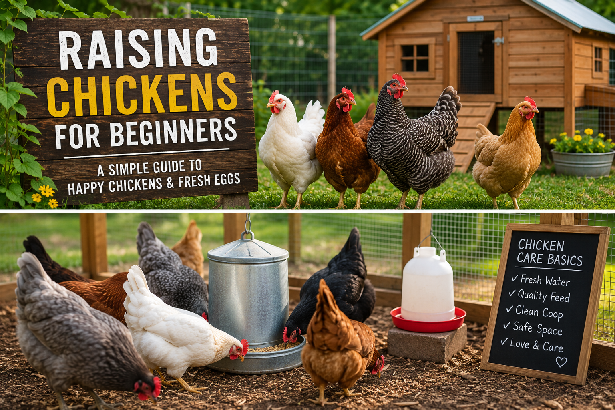
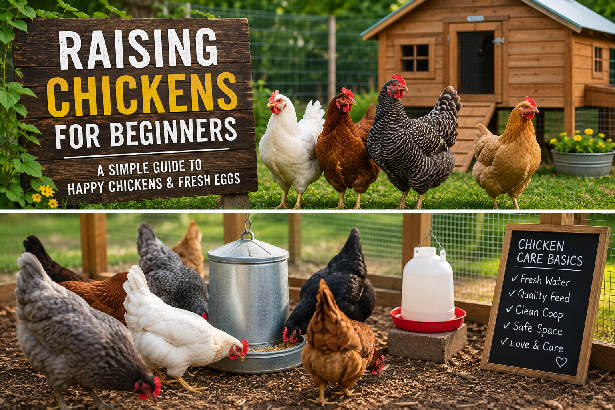
kdolu Raising chickens for beginners can be simple, fun, and rewarding when you start with a clear plan. You do not need a huge farm or years of experience. Instead, you need safe housing, clean water, good feed, enough space, and a little time each day.
Chickens can give your family fresh eggs, garden manure, entertainment, and a closer connection to food. However, they also need daily care. Therefore, you should understand the work before bringing birds home.
This guide explains the process from start to finish. You will learn how to choose chickens, build a coop, feed your flock, protect birds from predators, handle eggs, spot health problems, and avoid common beginner mistakes.
Most importantly, you will learn that raising chickens for beginners does not have to feel difficult.
Why Raising Chickens for Beginners Is Worth It
First, chickens can provide fresh eggs for your home. A healthy laying hen can produce many eggs during her productive years, although egg numbers change with age, breed, season, nutrition, and daylight.
Second, chickens can turn kitchen and garden scraps into useful manure. Their manure can add nutrients to soil after proper composting.
Third, chickens can help families learn about responsibility. Children can help with safe tasks such as collecting eggs, filling feeders, and checking water under adult supervision.
Also, chickens can be enjoyable animals to watch. They have different personalities, habits, and social behaviors.
However, chickens are not completely “easy pets.” They need care every day, including weekends and holidays. Therefore, think of them as small farm animals rather than decorative backyard pets.
Raising Chickens for Beginners: Decide Your Main Goal
Before buying birds, decide why you want chickens.
Your goal might be:
- Fresh eggs
- Meat
- Both eggs and meat
- Garden manure
- Family education
- A small homestead
- A hobby
- Food security
- Companionship and enjoyment
For most first-time owners, laying hens offer the easiest starting point.
If eggs are your main goal, choose breeds known for reliable laying. If you want meat, choose meat breeds designed for that purpose.
You should also decide how many chickens you need. A small family may only need three to six hens.
Starting small gives you time to learn.
Check Local Chicken Rules Before Buying Birds
This step often gets skipped.
However, local rules can decide whether you can keep chickens at all. Cities, towns, housing communities, and homeowners’ associations may have different rules.
Some places limit:
- Number of chickens
- Roosters
- Coop location
- Property setbacks
- Noise
- Sanitation
- Fencing
- Slaughtering animals
Therefore, contact your local authority before purchasing chicks.
The Merck Veterinary Manual also notes that poultry ownership rules can vary by municipality and homeowners’ association.
For readers in the United States, your local extension office can also provide useful poultry guidance.
Choose the Right Chicken Breed
Breed choice matters more than many beginners expect.
Different breeds have different strengths.
For example, some breeds are excellent egg layers. Others are calm and friendly. Some handle cold weather well, while others perform better in warm areas.
Popular backyard choices include:
| Breed | Main Strength | Personality | Egg Color |
| Rhode Island Red | Strong laying | Active | Brown |
| Plymouth Rock | Dual-purpose | Calm | Brown |
| Australorp | Egg production | Friendly | Brown |
| Orpington | Family-friendly | Gentle | Brown |
| Leghorn | High egg production | Active | White |
| Easter Egger | Colorful eggs | Variable | Blue/green shades |
| Sussex | Eggs and meat | Friendly | Light brown |
Breed descriptions can vary between individual birds. Therefore, choose birds that fit your climate, space, and goal.
Raising Chickens for Beginners: Hens or Roosters?
If your goal is eggs, you usually do not need a rooster.
Hens can lay eggs without a rooster. The eggs simply will not be fertile.
A rooster becomes useful if you want to hatch chicks naturally.
However, roosters can create problems. They crow early in the morning, may become aggressive, and can disturb neighbors.
Therefore, beginners who mainly want breakfast eggs often start with hens only.
How Many Chickens Should a Beginner Start With?
Start smaller than you think.
Three to six hens can provide a useful supply of eggs for many households.
A larger flock means:
- More feed
- More manure
- More cleaning
- More water
- More space
- More predator risk
- More health management
Furthermore, chickens are social birds, so keeping at least a small group is generally better than keeping one bird alone.
A beginner flock of four hens can teach you nearly everything you need to know before you expand.
Raising Chickens for Beginners: Chicks or Pullets?
You can start with baby chicks or young hens called pullets.
Baby chicks
Chicks are cute, but they require more work.
You need:
- A brooder
- Safe heat
- Chick starter feed
- Clean water
- Bedding
- Temperature monitoring
- Protection from drafts and overheating
Pullets
Pullets cost more in many cases, but they can be easier for beginners.
They may already be feathered and close to laying age.
Therefore, if you want eggs soon and do not want to manage a brooder, young hens can make a better first choice.
Build the Chicken Coop Before the Birds Arrive
Never buy chickens first and build their home later.
Instead, prepare everything before bringing birds home.
A chicken coop should protect birds from:
- Rain
- Wind
- Extreme heat
- Cold
- Predators
- Wet conditions
- Unsafe animals
It should also have good airflow.
Fresh air matters because poor ventilation can allow moisture and ammonia to build up.
According to the Merck Veterinary Manual, wet litter and high ammonia can contribute to serious poultry welfare problems.
Raising Chickens for Beginners: Plan Coop Space
Chickens need room to move, rest, eat, drink, scratch, and dust bathe.
Avoid overcrowding.
A crowded coop can lead to:
- Fighting
- Dirty bedding
- Stress
- Feather damage
- Disease spread
- Poor air quality
Space needs vary based on housing design, climate, breed, and whether birds spend time outside.
Therefore, do not treat one space number as a universal law. Instead, follow guidance from your local extension service and design generously when possible.
More room usually makes management easier.
Make the Coop Predator-Proof
Predators are one of the biggest backyard chicken problems.
Depending on your location, predators may include:
- Dogs
- Cats
- Foxes
- Raccoons
- Snakes
- Hawks
- Owls
- Weasels
- Other wild animals
The coop should have strong doors and secure fencing.
Chicken wire alone may not stop every predator. Therefore, use suitable hardware mesh and secure openings carefully.
Also, close chickens inside a secure coop at night.
The Merck Veterinary Manual specifically identifies fencing as important for keeping poultry home and protecting them from predators.
Raising Chickens for Beginners: Choose Good Bedding
Bedding helps absorb moisture and keeps the coop cleaner.
Common bedding choices include:
- Pine shavings
- Hemp bedding
- Chopped straw
- Other suitable poultry bedding
Avoid bedding that becomes wet and moldy.
Wet litter can encourage bacteria, fungi, and parasites.
Check the coop every day.
If you notice wet bedding around the waterer, remove it and fix the water problem.
Add Comfortable Roosting Areas
Chickens naturally like to sleep off the ground.
Therefore, provide sturdy roosting bars.
A good roost should:
- Support the birds
- Stay dry
- Avoid sharp edges
- Give birds enough room
- Sit safely above the floor
Do not place roosts directly above feeders or waterers because droppings can contaminate them.
Create Private Nesting Boxes
Hens usually prefer quiet, darker places to lay eggs.
Provide clean nesting boxes that are easy to reach.
A simple nesting area can contain:
- Clean bedding
- A dry floor
- Good ventilation
- Easy access
- Protection from predators
You do not need one box for every hen. Several hens can share nesting boxes.
Keep the boxes clean because dirty nesting areas can lead to dirty eggs.
Raising Chickens for Beginners: Set Up Feeders
A good feeder keeps food clean and reduces waste.
Place feeders where chickens can eat comfortably without standing inside the feed.
Keep the feeder away from rain.
Also, check the feeder every day.
Feed should remain dry and fresh.
The Merck Veterinary Manual states that balanced, complete feed is important because poor diets can reduce performance and cause nutrition-related problems.
Clean Water Is More Important Than Beginners Think
Water is one of the most important parts of chicken care.
Chickens need reliable access to clean water every day.
In hot weather, water needs can rise.
Therefore:
- Check water every morning.
- Refill as needed.
- Clean dirty drinkers.
- Keep water away from excessive bedding.
- Provide extra water during very hot conditions.
According to the Merck Veterinary Manual, poultry can consume roughly 1.5–3.5 parts water for each part of feed, with higher needs in hot weather.
Raising Chickens for Beginners: Understand Chicken Feed
Chicken feed should match the bird’s age and purpose.
Young chicks need chick starter feed.
Growing birds need an appropriate grower ration.
Laying hens need a layer diet designed for mature egg-producing birds.
Do not simply feed every chicken the same food.
Growing birds should not receive high-calcium layer diets because the calcium level can cause health problems.
This is one of the most important feeding lessons for beginners.
Treats Are Fine, But Keep Them Small
Chickens love treats.
They may enjoy:
- Leafy vegetables
- Certain fruits
- Cooked vegetables
- Small amounts of grains
- Garden insects
However, treats should not replace balanced feed.
Too many treats can make the diet unbalanced.
Scratch grains should also remain a small part of the overall diet. The Merck Veterinary Manual warns that overfeeding scratch can dilute a balanced diet.
Raising Chickens for Beginners: Do Not Overfeed Scraps
Many beginners think chickens can eat almost anything.
That idea can cause trouble.
Kitchen scraps should not become the main diet.
Avoid feeding moldy, spoiled, or unsafe food.
Also, avoid giving large amounts of fatty foods.
A balanced commercial poultry ration should provide most of the nutrition.
That simple rule makes feeding much easier.
Learn the Difference Between Chicks and Adult Hens
Young chickens have different needs from adult hens.
Chicks need warmth and starter feed.
As they grow, they need more space and age-appropriate feed.
Later, laying hens need suitable calcium and nutrition to support eggshell production.
Therefore, your feeding plan should change as your flock grows.
Do not assume that one bag of feed works for every life stage.
Raising Chickens for Beginners: Brooder Basics
If you start with chicks, you need a brooder.
A brooder is a warm, protected space for young chicks.
It should have:
- Safe heat
- Dry bedding
- Chick starter feed
- Clean water
- Good airflow
- Protection from drafts
- Enough space
Watch the chicks closely.
If they crowd directly under the heat source, they may be cold.
If they stay far away and look uncomfortable, they may be too warm.
Their behavior can help you understand whether the brooder feels comfortable.
Keep Chicks Safe From Heat Problems
Heat sources can cause fires if used carelessly.
Therefore, follow manufacturer instructions carefully.
Keep heat sources away from flammable bedding.
Secure equipment so chicks cannot knock it over.
Also, check the brooder often.
Safety matters more than convenience.
Raising Chickens for Beginners: Daily Chicken Routine
A simple daily routine makes chicken care much easier.
Morning
- Check all birds
- Check water
- Check feed
- Look for injuries
- Open the coop if appropriate
- Check fencing
Afternoon
- Check water again in hot weather
- Watch bird behavior
- Look for predator signs
- Collect eggs if needed
Evening
- Check all birds are inside
- Close and secure doors
- Check for weak or injured birds
- Make sure predators cannot enter
This routine may take only a few minutes once everything is set up.
Learn Normal Chicken Behavior
Healthy chickens usually show interest in their surroundings.
They may:
- Scratch the ground
- Peck at food
- Dust bathe
- Walk around
- Preen feathers
- Drink water
- Rest
- Make normal chicken sounds
Therefore, learn what your flock normally looks like.
When one bird suddenly acts differently, you may notice the problem sooner.
Merck notes that early signs of illness can be subtle because poultry often hide sickness.
Raising Chickens for Beginners: Spot Early Illness
Watch for changes such as:
- Low activity
- Loss of appetite
- Reduced drinking
- Abnormal droppings
- Limping
- Swollen eyes
- Eye discharge
- Nose discharge
- Dirty feathers
- Breathing problems
- Sudden drop in egg production
These signs do not always tell you the exact disease.
Therefore, avoid guessing.
Separate a sick bird when appropriate and contact a poultry veterinarian or local extension service for advice.
Protect Your Flock From Disease
Good flock health begins with good management.
Keep the coop clean.
Provide good food.
Give clean water.
Reduce overcrowding.
Control contact with unknown birds.
Clean equipment.
Also, think carefully before introducing new chickens.
Some diseases spread easily between birds.
For example, infectious bronchitis spreads through respiratory secretions, feces, contaminated feed, water, equipment, and clothing.
Raising Chickens for Beginners: Think About Vaccines
Vaccination needs depend on your location and flock situation.
Some backyard chickens receive important vaccines early in life, such as vaccination against Marek’s disease.
The Merck Veterinary Manual says Marek’s disease vaccination is strongly recommended for chickens because the disease is widespread and current vaccines offer strong protection.
However, vaccine plans vary by region.
Therefore, ask your hatchery, poultry veterinarian, or local extension specialist which vaccines make sense for your flock.
Quarantine New Chickens
Adding new birds can introduce disease.
Therefore, do not immediately mix new chickens with your existing flock.
Use a separate, secure area when possible.
Observe new birds for signs of illness before introducing them.
Also, avoid sharing dirty equipment between groups.
This simple step can protect the flock you already have.
Raising Chickens for Beginners: Keep the Run Interesting
Chickens like to explore.
A boring run can encourage pecking and other unwanted behavior.
Add safe enrichment such as:
- Logs
- Branches
- Dust-bathing areas
- Vegetation
- Hanging vegetables
- Safe objects to explore
The goal is simple: give chickens things to do.
Good enrichment can make the flock calmer and more active.
Give Chickens a Dust Bath
Dust bathing is normal chicken behavior.
Chickens roll, scratch, and shake in dry soil or suitable dust-bath material.
This behavior helps them care for their feathers.
If your run stays wet, create a protected dry area.
A simple dust-bath space can improve the birds’ daily environment.
Raising Chickens for Beginners: Understand the Pecking Order
Chickens have a social ranking.
When you introduce new birds, some pecking may happen.
However, severe fighting is not normal flock management.
Watch for:
- Blood
- Serious wounds
- Constant chasing
- Birds unable to eat
- Birds hiding all day
Overcrowding can increase aggression.
Merck identifies overcrowding, inadequate feeding, and other management problems as factors that can contribute to damaging pecking behavior.
How to Collect Clean Eggs
Collect eggs regularly.
In warm weather, more frequent collection can help protect egg quality.
Use clean hands.
Keep nesting boxes clean.
Do not place dirty eggs beside clean eggs.
Also, handle eggs carefully to prevent cracks.
If you plan to sell eggs, check your local rules because egg sales may have special requirements.
Raising Chickens for Beginners: Store Eggs Safely
Egg handling rules vary by country.
Therefore, follow the food safety rules where you live.
If eggs become cracked or heavily soiled, handle them according to local food safety guidance.
For family use, store eggs in a clean and suitable place based on local recommendations.
Good egg handling starts before the egg reaches the kitchen.
Real-Life Example: A Four-Hen Starter Flock
Imagine a family that wants fresh eggs but has never kept livestock.
They begin with four young hens.
First, they check local rules.
Next, they build a secure coop with an attached run.
Then, they buy suitable feed and water equipment.
During the first week, they focus on simple habits:
- Check water every morning
- Check feed
- Watch each bird
- Collect eggs
- Secure the coop at night
After several weeks, the family notices that one hen behaves differently.
Instead of ignoring the change, they isolate the bird and seek advice.
This example shows an important lesson: successful chicken keeping is less about doing complicated things and more about noticing small changes early.
Case Study: Learning From a Small Homestead Flock
Consider another beginner who starts with ten chickens.
At first, the owner gives many treats because the birds seem to love them.
However, feed costs rise, and the flock becomes overweight.
After learning more about poultry nutrition, the owner makes balanced feed the main diet and reduces treats.
The result is a simpler feeding system and better control over the flock’s nutrition.
This case shows why beginners should learn the basics before copying random feeding advice from social media.
Raising Chickens for Beginners: Advantages
There are many benefits.
Fresh eggs
You can collect eggs from your own backyard.
Food connection
Children can learn where food comes from.
Garden benefits
Chicken manure can become useful compost material.
Entertainment
Chickens have interesting personalities.
Small-scale food production
A few hens can provide a useful household egg supply.
Learning
You gain practical skills in animal care.
Homesteading
Chickens can become a first step toward a larger home food system.
Raising Chickens for Beginners: Disadvantages
Chicken keeping also has downsides.
Daily responsibility
You cannot simply forget about the flock.
Predator risk
Predators can kill chickens quickly.
Feed costs
Feed is an ongoing expense.
Cleaning
Coops need regular cleaning.
Noise
Roosters can be loud.
Disease
Chickens can become sick.
Vacation planning
Someone must care for the birds while you travel.
Unexpected loss
Even well-cared-for chickens can become ill or die.
Therefore, think about both the good and difficult parts before starting.
Beginner Chicken Cost Chart
Costs vary greatly by country, breed, coop size, and whether you build or buy equipment.
Use this as a planning chart rather than a fixed price list.
| Item | One-Time Cost | Ongoing Cost | Beginner Priority |
| Chicks or pullets | Medium | No | High |
| Chicken coop | Medium–High | Low | High |
| Fencing | Medium | Low | High |
| Feeder | Low | No | High |
| Waterer | Low | Low | High |
| Bedding | Low | Yes | High |
| Chicken feed | No | Yes | Very High |
| Nesting boxes | Low | Low | High |
| Health supplies | Low–Medium | Sometimes | Medium |
| Predator protection | Medium | Sometimes | Very High |
The biggest ongoing expense for many backyard flocks is feed. Merck also identifies feed as the greatest expense in many poultry systems.
Raising Chickens for Beginners: A Simple Weekly Plan
A weekly routine can keep your flock healthy.
Monday
Check fencing and doors.
Tuesday
Clean and inspect water equipment.
Wednesday
Check nesting boxes and bedding.
Thursday
Inspect birds for injuries or unusual behavior.
Friday
Check feed storage.
Saturday
Clean the coop more deeply if needed.
Sunday
Review the flock and prepare supplies for the next week.
Daily checks still matter.
The weekly plan simply helps you remember larger jobs.
Keep Chicken Feed Dry and Fresh
Feed storage matters.
Store feed in a dry, cool place.
Use a secure container when appropriate.
Protect feed from:
- Rain
- Moisture
- Rodents
- Insects
- Mold
- Excessive heat
Merck recommends storing feed correctly and using it before its expiration date because poor storage can damage nutrients and encourage fungal growth.
Raising Chickens for Beginners: Expert Advice That Saves Trouble
The best beginner advice is simple: build your system around prevention.
A secure coop is easier than replacing birds after a predator attack.
A good feeder is easier than cleaning wasted feed every day.
A dry coop is easier than dealing with wet litter problems.
Balanced feed is easier than trying to fix nutrition mistakes later.
A quarantine area is easier than treating an entire flock.
In short, spend time preparing before problems appear.
The Merck Veterinary Manual also emphasizes proper nutrition and environmental conditions as important ways to prevent management-related problems.
Common Beginner Mistakes to Avoid
New chicken owners often make the same mistakes.
Mistake 1: Buying too many chickens
Start small.
Mistake 2: Building a weak coop
Predators quickly find weak points.
Mistake 3: Ignoring ventilation
Fresh air matters.
Mistake 4: Feeding too many treats
Treats should not replace balanced feed.
Mistake 5: Forgetting water
Water is essential.
Mistake 6: Mixing new birds too quickly
Quarantine can reduce disease risk.
Mistake 7: Ignoring unusual behavior
Small changes can signal illness.
Mistake 8: Keeping the coop wet
Wet bedding creates problems.
Mistake 9: Getting a rooster without a plan
Roosters can create noise and behavior issues.
Mistake 10: Treating internet advice as veterinary care
When a bird is sick, get professional help.
Raising Chickens for Beginners: Seasonal Care
Chicken care changes throughout the year.
Spring
Watch for wet conditions and parasites.
Summer
Focus strongly on shade, airflow, and clean water.
Fall
Prepare housing for changing weather.
Winter
Protect birds from harsh weather while maintaining ventilation.
Your local climate matters more than a generic internet checklist.
How Chickens Handle Hot Weather
Heat can become dangerous.
Give chickens access to:
- Shade
- Fresh water
- Air movement
- Cool resting areas
Avoid overcrowding.
Watch for signs of heat stress, such as heavy panting and unusual weakness.
In very hot climates, thoughtful coop design becomes especially important.
Good airflow should remove heat and moisture without creating harmful drafts.
Raising Chickens for Beginners: Family Safety
Chicken keeping can be a great family activity.
However, children should learn safe animal handling.
Teach children to:
- Wash hands after touching chickens
- Avoid kissing birds
- Avoid touching their faces while handling birds
- Leave sick birds alone
- Avoid putting fingers near aggressive birds
- Help only with age-appropriate tasks
Backyard poultry can carry germs that make people sick.
The CDC provides backyard poultry safety advice, including handwashing and keeping poultry and poultry equipment away from areas where food is prepared. CDC Backyard Poultry Safety
Raising Chickens for Beginners: Your First 30 Days
Here is a simple starting plan.
Days 1–7: Prepare
- Check local rules
- Choose your goal
- Pick a breed
- Build the coop
- Build the run
- Buy feed
- Buy water equipment
- Buy bedding
- Plan predator protection
Days 8–14: Bring Birds Home
- Give birds a calm introduction
- Check water often
- Provide proper feed
- Watch behavior
- Keep the coop secure
Days 15–21: Build Your Routine
- Check birds each morning
- Clean water
- Inspect fencing
- Check bedding
- Collect eggs when they begin laying
Days 22–30: Improve
Ask yourself:
- Is the coop easy to clean?
- Is the feeder wasting food?
- Is water staying clean?
- Are predators finding weak spots?
- Does every bird look healthy?
- Do I need more shade?
- Do I need more space?
This first month teaches you what your flock really needs.
Frequently Asked Questions About Raising Chickens for Beginners
- Is raising chickens for beginners difficult?
No. Raising chickens for beginners becomes much easier when you start with a small flock and prepare the coop first. The main job involves food, water, shelter, safety, and daily observation.
- How many chickens should a beginner get?
Three to six hens make a practical starting flock for many families. Starting small lets you learn before expanding.
- Do I need a rooster for eggs?
No. Hens lay eggs without a rooster. You only need a rooster if you want fertile eggs for hatching.
- What is the best chicken breed for beginners?
There is no single best breed for everyone. Rhode Island Reds, Plymouth Rocks, Australorps, Orpingtons, and Sussex chickens are popular choices because they can work well for backyard keepers.
- How much space do chickens need?
Space needs depend on breed, climate, housing design, and outdoor access. Avoid overcrowding and provide as much safe space as practical.
- What do chickens eat?
Chickens should receive a balanced feed designed for their age and purpose. Treats and scratch should remain a small part of the diet.
- Can chickens eat kitchen scraps?
Some safe foods can work as occasional treats, but scraps should never replace complete poultry feed. Avoid moldy or spoiled food.
- How often should I clean the chicken coop?
Check the coop every day and remove wet or heavily soiled bedding. The full cleaning schedule depends on the size and design of your coop.
- How do I protect chickens from predators?
Use secure fencing, strong doors, covered runs when needed, and careful nighttime protection. Check for holes and weak points regularly.
- Can children raise chickens?
Yes, children can help with suitable tasks. However, adults should supervise handling and make sure children wash their hands after contact with poultry.
- How often do hens lay eggs?
Egg production varies by breed, age, health, diet, daylight, and season. Young healthy laying hens often produce eggs regularly, but production naturally changes over time.
- What should I do if a chicken becomes sick?
Separate the bird when appropriate and contact a veterinarian or poultry health professional. Do not rely only on internet diagnosis.
- Should I vaccinate backyard chickens?
Vaccination needs depend on disease risk, location, and flock management. Ask a poultry veterinarian, hatchery, or local extension specialist about the right plan.
- Can chickens live in a small backyard?
Yes, if local rules allow them and you can provide safe housing, enough space, clean water, proper feed, and predator protection.
- Do chickens smell bad?
A well-managed coop should not have a strong, unhealthy smell. Wet litter and poor ventilation create odor problems, so keep bedding dry and airflow good.
- How much does it cost to raise chickens?
Costs vary widely. The main expenses include birds, housing, fencing, feed, bedding, and health care. Feed becomes an ongoing expense.
- Can chickens stay outside all day?
They can spend time outside when weather and predator conditions are safe. They still need access to secure shelter.
- Can chickens survive cold weather?
Many breeds can handle cool weather if they have dry, safe housing and protection from severe conditions. Avoid sealing the coop so tightly that moisture and ammonia build up.
- What is the biggest beginner chicken mistake?
One of the biggest mistakes is failing to prepare secure housing before buying birds. A weak coop can create problems immediately.
- Is raising chickens for beginners worth it?
Yes, for many households. Raising chickens for beginners can provide fresh eggs, useful skills, garden manure, and a rewarding connection with food. However, you should be ready for daily care and unexpected problems.
Helpful External Resources for New Chicken Owners
Reliable information is important when you start keeping poultry. Instead of trusting every social media post, use university, government, veterinary, and public health resources.
- USDA Animal and Plant Health Inspection Service — Government information about animal health, poultry disease, and biosecurity.
- CDC Backyard Poultry — Public health advice for people keeping backyard poultry.
- Merck Veterinary Manual: Backyard Poultry Management — Veterinary guidance covering housing, nutrition, water, and flock management.
- Merck Veterinary Manual: Common Backyard Poultry Problems — Useful information about behavior, injuries, nutrition, and health warning signs.
- Merck Veterinary Manual: Backyard Poultry Vaccination — Information about vaccination considerations for small flocks.
Final Thoughts on Raising Chickens for Beginners
Raising chickens for beginners does not require a perfect farm, expensive equipment, or expert knowledge on day one.
Instead, success comes from doing the basics well.
Give your chickens a secure home. Provide clean water every day. Feed the correct diet. Keep bedding dry. Protect the flock from predators. Watch their behavior. Collect eggs carefully. Finally, ask for professional help when a bird becomes sick.
Start with a small flock.
Then, learn from your birds.
Over time, you will understand their sounds, habits, feeding patterns, and normal behavior. As your experience grows, you can improve the coop, expand the flock, grow more food, or move deeper into homesteading.
The most important lesson is simple: good chicken keeping starts with preparation, observation, and consistency.
When you build those three habits, raising chickens for beginners becomes far less stressful and much more rewarding.