 kdolu
kdolu Dry Farm Grapes are becoming more popular among farmers, winemakers, and environmentally conscious consumers. Unlike traditional vineyards that depend heavily on irrigation, dry farming allows grapevines to grow using only natural rainfall and moisture stored in the soil. As a result, growers save water, reduce costs, and often produce grapes with richer flavors.
Today, many vineyards around the world use dry farming techniques because water resources continue to become more limited. Furthermore, wine lovers often prefer wines made from Dry Farm Grapes because they offer concentrated flavors and a stronger connection to the local environment.
In this complete guide, you will learn everything about it, including their history, growing process, benefits, challenges, expert advice, real-life examples, and much more.
What Are Dry Farm Grapes?
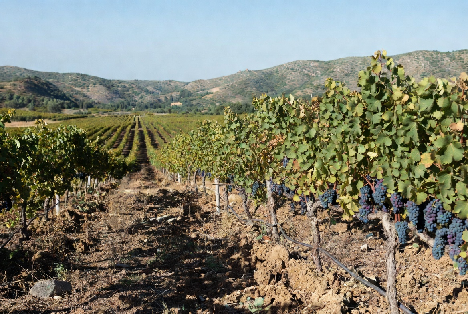
Dry Farm Grapes are grapes grown without regular irrigation. Instead, the vines rely on rainfall and natural soil moisture. Because roots search deeper for water, vines become stronger and more resilient.
Moreover, dry farming encourages natural vineyard balance. Therefore, many growers believe the resulting grapes have better flavor and character.
History of Dry Farm Grapes
Farmers grew Dry Farm Grapes long before modern irrigation systems existed. For centuries, vineyards across the Mediterranean region survived using seasonal rainfall.
As technology improved, irrigation became common. However, many traditional wine regions continued growing Dry Farm because they recognized the quality benefits.
How Dry Farm Grapes Grow
The process starts by planting vines in soils capable of storing moisture. Then, roots gradually grow deeper into the ground.
Consequently, vines access water reserves during dry periods. This natural adaptation helps vines survive with little human intervention.
Why Farmers Choose?
Farmers select Dry Farm for several reasons:
- Lower water use
- Reduced irrigation costs
- Stronger root systems
- Better drought resistance
- Improved grape quality
- Greater environmental sustainability
Furthermore, many vineyards use dry farming to prepare for future climate challenges.
Dry Farm Grapes and Water Conservation
Water conservation remains one of the biggest benefits of Dry Farm Grapes.
Because vineyards do not depend on irrigation systems, they save thousands of gallons of water every year. As freshwater resources become scarcer, this advantage grows even more important.
For water conservation information, visit:
United States Environmental Protection Agency
Dry Farm Grapes vs Irrigated Grapes
| Feature | Dry Farm Grapes | Irrigated Grapes |
| Water Use | Very Low | High |
| Root Depth | Deep | Shallow |
| Flavor Concentration | Higher | Moderate |
| Drought Resistance | Strong | Lower |
| Production Cost | Lower Long-Term | Higher |
| Environmental Impact | Lower | Higher |
Soil Requirements
Dry Farm Grapes perform best in:
- Clay loam soils
- Deep soils
- Well-drained soils
- Mineral-rich soils
Additionally, healthy soil helps store moisture throughout the growing season.
Climate Conditions
Ideal conditions include:
- Mild winters
- Wet seasons
- Dry summers
- Moderate temperatures
Therefore, regions with Mediterranean climates often produce excellent Dry Farm Grapes.
Root Development
One major advantage involves root growth.
Since vines search for water naturally, roots can extend many feet underground. Consequently, vines become more stable and healthier over time.
Popular Regions Growing
Many famous wine regions produce Dry Farm Grapes.
Napa Valley
Sonoma County
Tuscany
Rioja
These regions often receive enough seasonal rainfall to support dry farming.
Best Grape Varieties for Dry Farming
Popular varieties include:
- Cabernet Sauvignon
- Zinfandel
- Syrah
- Grenache
- Tempranillo
- Mourvèdre
- Carignan
These grapes adapt well to limited water conditions.
Wine Quality
Many winemakers believe Dry Farm produce superior wines.
Because berries remain smaller, they contain:
- More flavor
- More color
- Better tannin concentration
- Stronger aromas
As a result, wines often taste richer and more complex.
Flavor Differences
Consumers frequently notice:
- Intense fruit flavors
- Better balance
- Rich aromas
- Distinct regional character
Therefore, many premium wineries prefer Dry Farm Grapes.
Nutritional Value
Like other grapes, Dry Farm contain:
- Vitamin C
- Potassium
- Fiber
- Antioxidants
- Polyphenols
These nutrients support overall health.
For nutrition information:
Environmental Benefits
Environmental benefits include:
- Less water use
- Lower energy consumption
- Reduced groundwater depletion
- Healthier ecosystems
Consequently, dry farming supports sustainable agriculture.
Economic Benefits
Farmers often save money because they avoid:
- Irrigation equipment
- Water bills
- Pump maintenance
- Energy costs
Although yields may decrease slightly, premium pricing often offsets losses.
Challenges of Growing
Despite benefits, challenges exist.
These include:
- Lower yields
- Weather uncertainty
- Soil limitations
- Longer establishment periods
However, experienced growers can manage these challenges successfully.
Drought Resistance
Deep roots help vines survive drought conditions.
Therefore, Dry Farm Grapes often perform better during water shortages than irrigated vineyards.
Vineyard Planning for Dry Farming
Good planning remains essential.
Farmers should evaluate:
- Rainfall patterns
- Soil depth
- Drainage
- Vineyard slope
Proper planning increases long-term success.
Planting Techniques
Best practices include:
- Wide spacing
- Deep planting
- Strong rootstock selection
- Careful site preparation
These methods support healthy vine development.
Soil Management
Healthy soil stores more water.
Growers often use:
- Compost
- Cover crops
- Mulch
- Organic matter
As a result, soil retains moisture longer.
Weed Control in Dry Farm Grapes
Weeds compete for valuable water.
Therefore, growers remove weeds through:
- Mechanical cultivation
- Mulching
- Cover crop management
Pest Management
Integrated pest management helps protect vineyards.
Common methods include:
- Beneficial insects
- Monitoring programs
- Organic sprays
- Habitat management
Organic Farming
Many organic vineyards also grow Dry Farm Grapes.
Because both approaches emphasize sustainability, they work well together.
Learn more:
Harvesting
Harvest timing plays a critical role.
Growers monitor:
- Sugar levels
- Acidity
- Flavor development
- Berry maturity
Consequently, harvest decisions directly affect wine quality.
Post-Harvest Handling
After harvest, growers:
- Sort grapes
- Remove damaged fruit
- Transport carefully
- Process quickly
These steps preserve grape quality.
For Winemaking
Many premium wines begin with Dry Farm.
Winemakers appreciate:
- Concentrated flavors
- Balanced acidity
- Rich tannins
- Complex aromas
For Fresh Eating
Consumers also enjoy fresh Dry Farm because they often taste sweeter and more flavorful.
Sustainability
Sustainability remains a major reason growers adopt dry farming.
Because water conservation matters globally, Dry Farm Grapes offer an important solution.
Common Myths
Myth 1: Dry Farming Kills Vines
False. Properly managed vines thrive.
Myth 2: Dry Farm Taste Worse
False. Many experts believe flavor improves.
Myth 3: Only Hot Areas Can Dry Farm
False. Several climate types support dry farming.
Scientific Research
Research shows deep-rooted vines often improve drought resilience and water efficiency.
For agricultural research:
University of California Agriculture and Natural Resources
Real-Life Vineyard Example
A California vineyard switched from irrigation to dry farming.
Within several years:
- Water use dropped dramatically.
- Root systems expanded.
- Wine quality improved.
- Operating costs decreased.
The vineyard later marketed its wines as sustainably grown and gained new customers.
Case Study: Family-Owned Vineyard Success
A family vineyard faced water restrictions during severe drought years.
Instead of increasing irrigation, the owners adopted dry farming techniques.
Results included:
| Before Dry Farming | After Dry Farming |
| High Water Costs | Lower Water Costs |
| Moderate Flavor | Rich Flavor |
| Frequent Irrigation | Natural Rain Dependence |
| Lower Sustainability | Higher Sustainability |
Eventually, the vineyard gained recognition for producing premium wines from Dry Farm Grapes.
Expert Advice
Experts recommend:
- Choose suitable soils.
- Start with drought-tolerant varieties.
- Build healthy soil.
- Avoid overproduction.
- Monitor vine health closely.
- Focus on long-term results.
Most importantly, patience remains essential.
Future of Dry Farm Grapes
Climate change continues to increase water concerns worldwide.
Therefore, more growers are exploring Dry Farm as a sustainable solution.
Industry experts expect adoption to increase significantly during the next decade.
Home Garden
Home gardeners can also grow Dry Farm.
Start by:
- Choosing drought-tolerant varieties.
- Improving soil quality.
- Planting deeply.
- Watering only during establishment.
Afterward, vines can gradually transition to natural rainfall.
Cost Comparison
| Expense | Dry Farm Grapes | Irrigated Grapes |
| Water Bills | Low | High |
| Equipment | Minimal | Expensive |
| Maintenance | Lower | Higher |
| Long-Term Cost | Lower | Higher |
Yield Expectations
Although Dry Farm Grapes may produce fewer grapes, growers often receive higher prices because of superior quality.
Therefore, profitability can remain strong.
Taste Comparison
Wine enthusiasts often describe Dry Farm wines as:
- Richer
- More concentrated
- More expressive
- Better balanced
Market Demand
Consumer interest continues to rise.
People increasingly seek products that support:
- Sustainability
- Environmental protection
- Water conservation
- Natural farming
As a result, Dry Farm Grapes attract premium buyers.
Buying Guide for Consumers
When purchasing products from Dry Farm , look for:
- Sustainability certifications
- Vineyard information
- Regional reputation
- Winemaker details
Consumer Benefits
Benefits include:
- Better flavor
- Sustainable production
- Lower environmental impact
- Support for responsible farming
Global Trends
Countries worldwide now explore dry farming.
Examples include:
- United States
- Italy
- Spain
- Portugal
- Australia
- South Africa
Consequently, global interest continues growing.
Beginner Tips
If you are new to dry farming:
- Start small.
- Study local rainfall.
- Improve soil health.
- Select proper grape varieties.
- Learn from experienced growers.
These simple steps improve success rates.
Final Success Strategies
Success depends on:
- Proper planning
- Healthy soil
- Suitable climate
- Strong root systems
- Long-term commitment
When growers follow these principles, Dry Farm Grapes can deliver excellent results.
Frequently Asked Questions
- What are Dry Farm Grapes?
They are grapes grown without regular irrigation.
- Do Dry Farm need water?
Yes, but they mainly use rainfall and stored soil moisture.
- Are Dry Farm sustainable?
Yes, they conserve water and reduce environmental impact.
- Do Dry Farm taste better?
Many wine experts believe they do.
- Which grapes work best?
Cabernet Sauvignon, Syrah, Grenache, and Zinfandel perform well.
- Are yields lower?
Usually yes, but quality often increases.
- Can beginners grow them?
Yes, with proper planning.
- Do roots grow deeper?
Yes, significantly deeper.
- Is dry farming organic?
Not always, but many organic vineyards use it.
- Does climate matter?
Yes, rainfall patterns are important.
- Are Dry Farm more expensive?
Sometimes, due to premium quality.
- Can dry farming reduce costs?
Yes, especially water expenses.
- Is dry farming ancient?
Yes, farmers used it for centuries.
- Does dry farming help during droughts?
Often yes.
- Are Dry Farm Grapes healthier?
Nutritionally, they are similar to other grapes.
- Can home gardeners use dry farming?
Yes.
- Which countries grow Dry Farm?
Many wine-producing countries do.
- Are Dry Farm eco-friendly?
Yes, very eco-friendly.
- Do wineries prefer Dry Farm?
Many premium wineries do.
- Will dry farming become more common?
Experts expect strong growth in adoption.
Conclusion
Dry Farm Grapes represent one of the most sustainable and promising approaches to modern grape growing. They help farmers conserve water, reduce costs, strengthen vineyard resilience, and improve grape quality. Furthermore, consumers increasingly appreciate products that support responsible agriculture.
As water resources become more valuable, it will likely play an even bigger role in the future of viticulture. Whether you are a farmer, gardener, winemaker, or wine lover, understanding it can help you appreciate the remarkable connection between nature, sustainability, and exceptional grape quality.