 kdolu
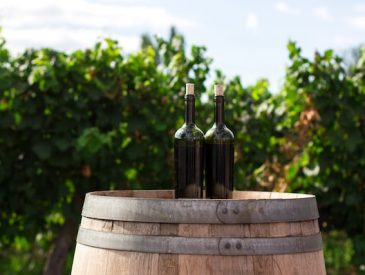
kdolu Dry Farm Wine has become a popular choice for people who want cleaner, lower-sugar wine. Many wine lovers now look beyond traditional wines and search for options that fit a healthier lifestyle. As a result, It continues to gain attention among health-conscious consumers.
Unlike many mass-produced wines, Dry Farm Wine focuses on natural farming methods, low sugar levels, and minimal processing. Because of this approach, many people believe it offers a better drinking experience. Furthermore, supporters claim these wines may reduce some common complaints linked to conventional wines.
In this complete guide, you will learn everything about Dry Farm Wine. We will cover its history, production methods, benefits, drawbacks, nutrition facts, buying tips, expert advice, real-life examples, and much more.
What Is Dry Farm Wine?
Dry Farm Wine refers to wine produced from grapes grown without irrigation. Instead, vineyards rely on natural rainfall and deep root systems. As a result, grapevines work harder to find water underground.
This method creates grapes with concentrated flavors and balanced sugar levels. Consequently, many winemakers produce wines that contain less residual sugar and lower alcohol levels.
The term “Dry Farm Wines” is also associated with a wine company that curates and sells naturally produced wines from small family farms around the world.
Understanding Dry Farm Wine in Simple Words
Imagine two plants:
- One receives water every day.
- The other receives only natural rainfall.
The second plant develops deeper roots to survive. Similarly, dry-farmed grapevines dig deep into the soil for water and nutrients.
Because of this process:
- Grapes become smaller.
- Flavors become stronger.
- Sugar levels often remain lower.
- The vineyard becomes more environmentally friendly.
The History of Dry Farm Wine
Dry farming is not a new idea. In fact, people used this method thousands of years ago.
Before modern irrigation systems existed, vineyards depended entirely on rainfall. Therefore, ancient winemakers naturally practiced dry farming.
Regions around the Mediterranean have used these techniques for centuries. Today, many traditional vineyards still follow these methods because they believe they produce superior grapes.
Why Is Becoming Popular
Several factors explain its growing popularity.
Health Awareness
Many people now pay close attention to what they eat and drink. Therefore, they often seek wines with lower sugar levels.
Natural Products
Consumers increasingly prefer products with fewer additives. As a result, naturally made wines attract more attention.
Sustainability
Dry farming saves water. Consequently, environmentally conscious buyers appreciate this method.
Better Flavor
Many wine enthusiasts believe dry-farmed grapes produce richer and more complex flavors.
How Is Made
The production process begins in the vineyard.
Step 1: Natural Rainfall
Growers avoid artificial irrigation.
Step 2: Deep Root Development
The vines grow deep roots to access underground moisture.
Step 3: Small Concentrated Grapes
The grapes stay smaller but contain intense flavors.
Step 4: Natural Fermentation
Many producers use native yeast for fermentation.
Step 5: Minimal Intervention
Winemakers often avoid excessive processing.
As a result, the wine remains closer to its natural state.
Dry Farm Wine vs Conventional Wine
| Feature | Dry Farm Wine | Conventional Wine |
| Irrigation | No | Usually Yes |
| Sugar Levels | Often Lower | Can Be Higher |
| Additives | Minimal | May Be Higher |
| Farming Style | Natural Focus | Varies |
| Environmental Impact | Lower Water Use | Higher Water Use |
| Alcohol Level | Often Lower | Often Higher |
The Meaning of “Dry” in Dry Farm Wine
Many people misunderstand the word “dry.”
In wine language, dry means the wine contains very little residual sugar.
Therefore:
- Dry wine tastes less sweet.
- Sweet wine contains more leftover sugar.
However, dry farming and dry wine are not exactly the same thing.
A dry-farmed wine often becomes a dry wine, but the terms describe different things.
Sugar Content
Sugar content remains one of the biggest reasons people choose Dry Farm Wine.
During fermentation:
- Yeast consumes grape sugar.
- Alcohol forms.
- Residual sugar decreases.
As a result, many dry wines contain very little sugar.
This characteristic appeals to consumers following low-carb lifestyles.
Nutrition Facts
Nutrition varies by wine type. However, many Dry Farm Wines typically contain:
| Nutrient | Approximate Amount Per Glass |
| Calories | 85-120 |
| Carbohydrates | 0.1-2g |
| Sugar | Less than 1g |
| Alcohol | 10-12.5% |
| Fat | 0g |
| Protein | 0g |
Always check specific product information for exact values.
Keto Diets
Many keto followers enjoy Dry Farm Wine.
Because these wines often contain lower sugar levels, they fit better into low-carb eating plans.
However, moderation remains important.
Even low-sugar wine contains alcohol, which may affect ketosis.
Paleo Lifestyles
Similarly, many people following paleo-inspired diets choose Dry Farm Wine.
They appreciate:
- Natural farming methods
- Minimal additives
- Traditional production techniques
Therefore, Dry Farm Wine often appears in paleo communities.
Organic Farming
Dry farming and organic farming are different concepts.
Organic farming focuses on avoiding synthetic chemicals.
Dry farming focuses on avoiding irrigation.
However, many vineyards combine both practices.
As a result, some wines offer both benefits.
Biodynamic Vineyards
Many Dry Farm Wine producers also use biodynamic methods.
Biodynamic farming treats the vineyard as a complete ecosystem.
Because of this holistic approach, many wine enthusiasts believe it improves vineyard health.
Why Deep Roots Matter in Dry Farm Wine
Deep roots offer several advantages.
Better Mineral Access
Roots reach minerals deeper underground.
Stronger Vines
The plants become more resilient.
Richer Flavor
The grapes often develop greater complexity.
Therefore, many winemakers value deep-rooted vines.
Flavor Profile
Dry Farm Wine often offers:
- Bright fruit flavors
- Crisp acidity
- Balanced structure
- Earthy notes
- Mineral characteristics
Because growing conditions differ, flavor varies by region and grape variety.
Popular Varieties
Many grape varieties work well with dry farming.
Examples include:
- Cabernet Sauvignon
- Pinot Noir
- Syrah
- Grenache
- Tempranillo
- Zinfandel
- Chardonnay
- Sauvignon Blanc
Each variety creates unique flavor experiences.
Red Wines
Red wines often perform exceptionally well under dry farming.
The concentrated grapes produce:
- Rich color
- Strong aroma
- Complex flavor
Therefore, many famous red wine regions use dry farming techniques.
Dry Farm Wine and White Wines
White wines also benefit.
Dry farming may enhance:
- Freshness
- Acidity
- Mineral notes
As a result, many wine lovers appreciate dry-farmed whites.
Dry Farm Wine and Rosé
Rosé wines made from dry-farmed grapes often show vibrant fruit character.
Furthermore, they frequently deliver refreshing acidity.
Regions Famous for Dry Farm Wine
California
Several California vineyards practice dry farming.
Spain
Many Spanish vineyards traditionally use this approach.
France
Numerous French wine regions embrace dry farming.
Italy
Italian growers often rely on rainfall.
Portugal
Dry farming remains common in many areas.
How Climate Affects Dry Farm Wine
Climate plays a major role.
Dry farming works best where:
- Rain falls during winter.
- Soil retains moisture.
- Summers remain manageable.
Therefore, not every vineyard can successfully use this method.
Advantages
Lower Sugar Levels
Many wines contain minimal residual sugar.
Environmental Benefits
Less irrigation saves water.
Rich Flavor
Deep-rooted vines often produce concentrated grapes.
Traditional Farming
Many consumers appreciate old-world methods.
Natural Production
Many producers minimize intervention.
Disadvantages
Higher Prices
Production often costs more.
Limited Availability
Not every store carries these wines.
Smaller Harvests
Dry farming may reduce grape yields.
Regional Limitations
Some climates cannot support dry farming.
Real-Life Example: California Vineyard Success
A family vineyard in California switched from irrigation to dry farming.
Initially, grape production decreased.
However, over several years:
- Root systems deepened.
- Grape quality improved.
- Flavor concentration increased.
Eventually, the vineyard earned recognition for producing premium wines.
This example shows how patience often rewards growers.
Case Study: Consumer Experience
Sarah, a wine enthusiast, frequently experienced headaches after drinking conventional wine.
After researching natural wine options, she tried Dry Farm Wine.
While individual results vary, she reported:
- Better enjoyment
- Reduced sweetness
- Improved flavor satisfaction
This example reflects personal experience rather than scientific proof.
Sustainability
Water conservation remains a major advantage.
Because vineyards avoid irrigation:
- Water consumption drops.
- Resources remain available for communities.
- Environmental impact decreases.
Consequently, sustainability advocates often support dry farming.
Environmental Benefits
Additional environmental benefits include:
- Reduced energy use
- Improved soil health
- Greater biodiversity
- Lower resource demand
Therefore, many experts consider dry farming environmentally responsible.
How to Identify Genuine Dry Farm Wine
Look for information regarding:
- Vineyard practices
- Natural farming methods
- Water conservation
- Independent certifications
Furthermore, ask retailers about vineyard details.
Reading Labels
Wine labels may mention:
- Dry farmed
- Organic
- Biodynamic
- Natural wine
- Native yeast fermentation
However, always research producers for confirmation.
For Beginners
If you are new to Dry Farm Wine:
- Start with a light red wine.
- Compare flavors carefully.
- Try different regions.
- Take tasting notes.
Eventually, you will discover your preferences.
Best Food Pairings
Red Wines
- Steak
- Lamb
- Burgers
- Mushrooms
White Wines
- Fish
- Chicken
- Salads
- Seafood
Rosé Wines
- Pasta
- Grilled vegetables
- Picnic foods
Serving Temperature Tips
Red Wine
60-68°F (15-20°C)
White Wine
45-55°F (7-13°C)
Rosé
50-55°F (10-13°C)
Proper temperature improves flavor.
How to Store
Follow these simple rules:
- Store bottles horizontally.
- Avoid sunlight.
- Maintain cool temperatures.
- Reduce vibration.
As a result, wine quality remains stable.
Common Myths
Myth 1: All Dry Wines Are Dry Farmed
False.
Myth 2: Dry Farm Wine Has No Alcohol
False.
Myth 3: Dry Farming Is New
False.
The practice dates back thousands of years.
Expert Advice
Wine experts often recommend:
- Buying from trusted producers.
- Learning about vineyard practices.
- Trying multiple regions.
- Focusing on quality over quantity.
Furthermore, experts encourage tasting wines side-by-side for comparison.
How Dry Farm Wine Supports Small Farmers
Many Dry Farm Wine producers operate family-owned vineyards.
Therefore, purchases often support:
- Local agriculture
- Traditional methods
- Small businesses
This factor appeals to many consumers.
The Future
Interest continues to grow.
Because water conservation becomes increasingly important, more vineyards may adopt dry-farming techniques.
Additionally, consumers continue seeking natural products.
Therefore, Dry Farm Wine may expand significantly in the coming years.
Frequently Asked Questions
- What is Dry Farm Wine?
Wine produced from grapes grown without irrigation.
- Is it healthier?
Many people choose it for lower sugar and natural production methods.
- Does it contain sugar?
Usually very little residual sugar remains.
- Is it organic?
Some are organic, but not all.
- Is it keto-friendly?
Many options fit low-carb lifestyles.
- Why is it called dry farm wine?
Because vineyards rely on natural rainfall.
- Does dry farming save water?
Yes, significantly.
- Is it expensive?
Often more expensive than mass-produced wines.
- Does it taste better?
Taste depends on personal preference.
- Can white wines be dry farmed?
Yes.
- Can red wines be dry farmed?
Absolutely.
- What regions produce it?
California, Spain, France, Italy, and Portugal among others.
- Does it contain additives?
Many producers minimize additives.
- Is it natural wine?
Many qualify as natural wine, though not all.
- How much alcohol does it contain?
Often between 10% and 12.5%.
- Does it age well?
Many premium bottles age beautifully.
- Is it sustainable?
Generally yes due to lower water use.
- Can beginners enjoy it?
Definitely.
- Where can I buy it?
Specialty wine shops and online retailers often carry it.
- Why is it growing in popularity?
Consumers increasingly value natural, lower-sugar products.
Conclusion
Dry Farm Wine combines traditional farming, sustainability, and natural winemaking into one unique package. Because vineyards rely on rainfall rather than irrigation, grapevines develop deeper roots and often produce more concentrated fruit. As a result, many wine lovers enjoy richer flavors, lower sugar levels, and a more natural drinking experience.
Although Dry Farm Wine can cost more and may not be available everywhere, many consumers believe the benefits outweigh the drawbacks. Furthermore, growing interest in sustainability, health-conscious choices, and artisanal products continues to drive demand.
Whether you are a beginner or a long-time wine enthusiast, it offers an exciting way to explore wines that reflect nature, tradition, and craftsmanship. By learning about vineyard practices, tasting different regions, and supporting responsible producers, you can discover a world of wine that goes far beyond the ordinary bottle.