
 kdolu
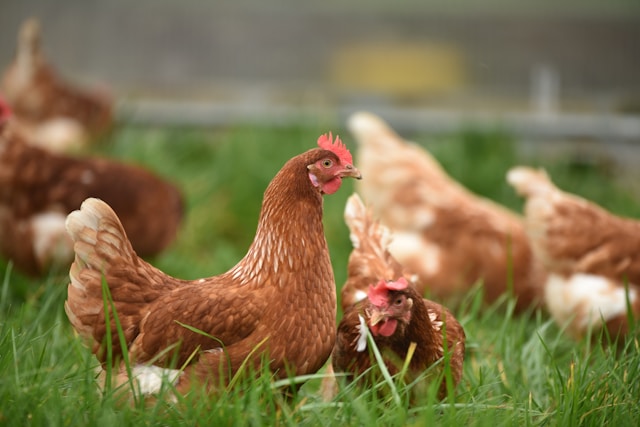
kdolu Raising chickens for beginners is one of the easiest and most rewarding ways to start a small backyard farm. Many people begin with just a few hens and quickly fall in love with fresh eggs, friendly birds, and a more self-sufficient lifestyle. Whether you live in the countryside or a suburban area, you can enjoy success if you follow the right steps.
Moreover, chickens are fun to watch, easy to care for, and great for families. However, new owners often make mistakes because they lack proper knowledge. Therefore, this complete guide will help you understand everything you need to know.
In this detailed article, you will learn about breeds, housing, feeding, flock tips, health care, predator protection, egg production, seasonal care, and much more.
H2: Why Raising Chickens for Beginners Is So Popular
Raising chickens for beginners has become popular because people want fresh food and simple homesteading experiences. Furthermore, chickens provide eggs almost every day during their peak laying years.
Many families also enjoy teaching children responsibility through chicken care. As a result, backyard flocks continue to grow worldwide.
Benefits of Raising Chickens for Beginners
There are many benefits to keeping chickens.
H3: Fresh Eggs Daily
Fresh eggs taste better than many store-bought eggs.
H3: Natural Fertilizer
Chicken manure enriches garden soil.
H3: Pest Control
Chickens eat bugs, insects, and small pests.
H3: Educational Experience
Children learn responsibility and animal care.
H3: Reduced Food Waste
Chickens can safely eat many kitchen scraps.
Challenges of Raising Chickens for Beginners
Although chickens are easy to keep, some challenges exist.
- Predator attacks
- Weather extremes
- Feed costs
- Health issues
- Coop cleaning
However, good planning solves most problems.
Understanding Chicken Behavior
Before starting raising chickens for beginners, learn basic chicken behavior.
Chickens naturally:
- Peck at the ground
- Scratch for insects
- Follow flock leaders
- Establish pecking orders
- Roost at night
Therefore, understanding these habits helps prevent problems.
Raising Chickens for Beginners: Choosing the Right Breed
Breed selection plays a major role in success.
Rhode Island Red
Excellent egg producer and beginner-friendly.
Plymouth Rock
Calm and reliable.
Australorp
Friendly and productive.
Orpington
Gentle and family-friendly.
Sussex
Hardy and easy to manage.
Best Egg-Laying Breeds
If egg production is your goal, choose:
| Breed | Eggs Per Year |
| Leghorn | 280-320 |
| Rhode Island Red | 250-300 |
| Australorp | 250-300 |
| Sussex | 240-280 |
| Plymouth Rock | 220-280 |
Raising Chickens for Beginners With the Right Flock Size
One of the most important flock tips is starting small.
Beginners should start with:
- 3 chickens
- 4 chickens
- 5 chickens
This number provides enough eggs without becoming overwhelming.
Check Local Laws Before Buying Chickens
Before purchasing birds, check local regulations.
For example:
- Number limits
- Rooster restrictions
- Coop placement rules
- Noise regulations
Therefore, always confirm requirements first.
External Resource:
USDA Backyard Poultry Resources
Planning Space for Raising Chickens for Beginners
Space matters greatly.
General recommendations:
| Area | Space Per Chicken |
| Coop | 4 sq ft |
| Run | 10 sq ft |
More space creates happier chickens.
Building a Safe Chicken Coop
A good coop protects chickens from weather and predators.
Important features include:
- Ventilation
- Dry flooring
- Secure doors
- Easy cleaning access
- Nest boxes
Essential Coop Features
Ventilation
Fresh air reduces moisture.
Security
Strong locks prevent predator entry.
Dry Environment
Dry bedding keeps birds healthy.
Accessibility
Easy access simplifies cleaning.
Chicken Run Basics
A run gives chickens room to exercise.
Additionally, exercise improves health and reduces boredom.
Strong fencing prevents escapes and predator attacks.
Nesting Boxes for Better Egg Production
Provide one nesting box for every 3–4 hens.
Ideal nesting boxes include:
- Soft bedding
- Quiet location
- Easy access
Roosting Bars Matter
Chickens naturally sleep on elevated surfaces.
Install roosts:
- Higher than nest boxes
- Smooth and sturdy
- Easy to clean
Bedding Choices
Popular bedding options include:
- Pine shavings
- Straw
- Hemp bedding
- Sand
Pine shavings remain the most common choice.
Raising Chickens for Beginners Feeding Guide
Nutrition directly affects health and egg production.
Therefore, feeding quality feed is essential.
Starter Feed
Starter feed supports chick growth.
Use it from hatch until approximately 8 weeks.
Grower Feed
Grower feed supports development.
Use from 8 to 18 weeks.
Layer Feed
Layer feed supports egg production.
Use after hens begin laying eggs.
Water Requirements
Clean water remains critical every day.
A chicken may drink twice as much water during hot weather.
Therefore, check waterers regularly.
Healthy Treats
Good treats include:
- Mealworms
- Lettuce
- Cucumbers
- Watermelon
- Pumpkin
Treats should remain less than 10% of the diet.
Foods to Avoid
Never feed:
- Chocolate
- Raw beans
- Moldy food
- Excess salt
- Avocado pits
Daily Care Routine
Daily tasks include:
- Check feed
- Refill water
- Collect eggs
- Observe birds
- Secure coop at night
Consistency keeps chickens healthy.
Weekly Care Tasks
Weekly responsibilities include:
- Refresh bedding
- Clean feeders
- Inspect fencing
- Check for parasites
Monthly Maintenance
Every month:
- Deep clean coop
- Inspect roof
- Repair fencing
- Replace damaged equipment
Common Flock Tips for Beginners
These flock tips help avoid mistakes.
Flock Tip #1
Provide enough space.
Flock Tip #2
Keep water available.
Flock Tip #3
Use predator-proof locks.
Flock Tip #4
Observe birds daily.
Flock Tip #5
Clean regularly.
Flock Tip #6
Avoid overcrowding.
Flock Tip #7
Introduce new birds slowly.
Flock Tip #8
Use quality feed.
Flock Tip #9
Provide shade.
Flock Tip #10
Keep records.
Raising Chickens for Beginners Health Guide
Healthy chickens appear:
- Active
- Alert
- Bright-eyed
- Curious
Regular observation prevents larger problems.
Parasite Prevention
Common parasites include:
- Mites
- Lice
- Worms
Regular coop cleaning reduces risk.
Common Chicken Diseases
Potential diseases include:
- Coccidiosis
- Marek’s disease
- Respiratory infections
Vaccination discussions with poultry experts may help.
Resource:
Cornell Poultry Health Information
Recognizing Sick Chickens
Warning signs include:
- Lethargy
- Loss of appetite
- Drooping wings
- Breathing problems
Act quickly if symptoms appear.
Predator Protection
Predators include:
- Foxes
- Dogs
- Hawks
- Raccoons
- Snakes
Strong security remains essential.
Summer Care
During summer:
- Provide shade
- Supply cool water
- Increase ventilation
- Offer frozen treats
Winter Care
During winter:
- Keep bedding dry
- Block drafts
- Provide fresh water
- Increase calories slightly
Raising Chicks Successfully
Many people begin raising chickens for beginners with baby chicks.
Requirements include:
- Brooder
- Heat source
- Starter feed
- Water
Introducing New Birds
Introduce new chickens gradually.
Therefore:
- Separate initially.
- Allow visual contact.
- Supervise meetings.
- Monitor pecking behavior.
Egg Collection Tips
Collect eggs:
- Morning
- Afternoon
- Evening if needed
Frequent collection keeps eggs cleaner.
Egg Storage Guide
Store eggs:
- Refrigerated
- Clean containers
- Consistent temperature
Proper storage improves freshness.
Real-Life Example
Sarah started with four Rhode Island Red hens.
Initially, she worried about predators and feeding schedules. However, she followed basic flock tips and created a secure coop.
Within six months, her hens produced nearly two dozen eggs each week. Furthermore, her garden benefited from composted chicken manure.
Today, Sarah keeps eight hens and enjoys fresh eggs year-round.
Expert Advice for Raising Chickens for Beginners
Experienced poultry keepers recommend:
- Start small.
- Focus on coop quality.
- Prioritize predator protection.
- Observe chickens daily.
- Keep learning.
Moreover, patience leads to better results.
Advantages of Raising Chickens for Beginners
Fresh eggs
Family activity
Garden benefits
Natural pest control
Self-sufficiency
Educational value
Entertainment
Compost production
Disadvantages of Raising Chickens for Beginners
Initial startup costs
Daily responsibilities
Predator threats
Feed expenses
Cleaning requirements
Potential health issues
Despite these challenges, many owners find the benefits outweigh the drawbacks.
Cost Breakdown Chart
| Item | Estimated Cost |
| Coop | $200-$1000 |
| Feeders | $20-$50 |
| Waterers | $15-$40 |
| Bedding | $10-$30 monthly |
| Feed | $20-$60 monthly |
| Chicks | $5-$20 each |
Advanced Flock Tips for Long-Term Success
As your flock grows, follow these additional flock tips:
- Rotate outdoor areas
- Keep backup feeders
- Maintain emergency supplies
- Track egg production
- Monitor seasonal changes
- Inspect birds weekly
- Learn basic first aid
These habits improve long-term success.
Frequently Asked Questions About Raising Chickens for Beginners
- How many chickens should beginners start with?
Three to five hens work well.
- Do chickens need a coop?
Yes, they need shelter and protection.
- Can chickens survive winter?
Yes, most breeds handle winter well.
- How often should I clean the coop?
Perform light cleaning weekly and deep cleaning monthly.
- What breed lays the most eggs?
Leghorns rank among the best layers.
- How much space do chickens need?
At least four square feet per bird inside the coop.
- Do hens need a rooster to lay eggs?
No, hens lay eggs without a rooster.
- What do chickens eat?
Layer feed, grains, insects, and approved treats.
- How long do chickens live?
Most live 5–10 years.
- How often should water be changed?
Daily or more often in hot weather.
- Can chickens free-range?
Yes, if the area remains safe.
- What predators attack chickens?
Foxes, dogs, hawks, raccoons, and snakes.
- Are chickens noisy?
Hens stay relatively quiet.
- When do hens start laying eggs?
Usually around 18–24 weeks.
- How many eggs does a hen lay?
Many breeds lay 200–300 eggs yearly.
- Can chickens eat kitchen scraps?
Yes, many scraps are safe.
- Do chickens smell bad?
Clean coops reduce odors significantly.
- Should beginners raise chicks or pullets?
Pullets often make the easiest start.
- How much feed does a chicken eat?
About one-quarter pound daily.
- Is raising chickens expensive?
Costs vary, but many owners save money through fresh egg production.
Conclusion
Raising chickens for beginners can become one of the most enjoyable projects for families, gardeners, and homesteaders. Although challenges exist, proper planning makes success much easier. Furthermore, following proven flock tips helps you avoid common mistakes and build a healthy flock.
Start with a few friendly hens, provide a secure coop, feed them quality food, and monitor their health regularly. As a result, you will enjoy fresh eggs, valuable gardening benefits, and the satisfaction of caring for your own flock.
Most importantly, remember that raising chickens for beginners is a learning journey. Therefore, stay patient, keep improving your flock management skills, and enjoy every step of the experience. With consistent care and smart flock tips, your chickens can thrive for years to come.


