
 kdolu
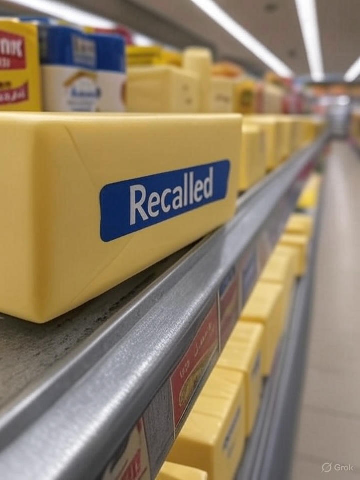
kdolu Butter Recalled; butter is a staple in many households, cherished for its rich flavor and versatility. However, recent events have highlighted the importance of food safety, leading to several butter recalls. These recalls are initiated when butter products are found to be contaminated or mislabeled, posing potential health risks to consumers.
🔍 What Is a Butter Recall?
A butter recall occurs when a manufacturer or regulatory agency removes a butter product from the market due to safety concerns. This can be due to contamination with harmful bacteria, undeclared allergens, or other issues that may pose health risks.
Butter Recalled: The Basics You Need to Know
Butter recalled is a term that has become increasingly important for anyone who shops for groceries. Butter, a staple in kitchens worldwide, is usually safe and nutritious. However, sometimes manufacturers or regulatory agencies find issues that make a particular batch unsafe for consumption. When this happens, they issue a butter recall to prevent people from getting sick.
A butter recall can happen for many reasons, including contamination by bacteria, mislabeling of allergens, or problems with packaging. These recalls are not just formalities—they exist to protect consumers from potential health risks such as foodborne illnesses or allergic reactions.
It’s essential to understand the basics of a butter recall. First, a recall may be voluntary, meaning the manufacturer decides to remove the product themselves. Other times, the recall is mandated by government agencies like the U.S. Food and Drug Administration (FDA). Second, a recall can affect a wide range of products—from small local batches to national distribution of well-known brands.
When a butter recall is announced, the company usually provides detailed information including the product name, lot number, expiration date, and instructions on what consumers should do. Staying informed helps families avoid health risks and ensures that recalled products are safely returned or disposed of.
For example, in March 2025, Cabot Creamery recalled over 1,700 pounds of butter because of potential coliform contamination. Consumers were advised to check the packaging for the lot number and not to consume the affected products. This is a clear illustration of how a butter recall works and why it is crucial to pay attention to such announcements (source).
By knowing the basics of butter recalls, you can better protect yourself and your family from preventable health risks.
Why Butter Gets Recalled: Hidden Risks Most People Ignore
Butter recalled is not always about obvious problems like mold or bad smell. Many times, the reasons behind recalls are hidden risks that most consumers never consider. Understanding these risks helps you stay safe and avoid serious health issues.
- Bacterial Contamination: More Common Than You Think
One of the main reasons butter is recalled is bacterial contamination. Even though butter has a low water content, harmful bacteria like Listeria monocytogenes, Salmonella, and E. coli can still survive if production or storage conditions are not perfect. These bacteria can cause serious illnesses, especially in vulnerable groups such as pregnant women, children, the elderly, and people with weakened immune systems.
For example, in 2025, Cabot Creamery recalled over 1,700 pounds of butter due to potential coliform contamination, which is often linked to fecal matter. Even small amounts of these bacteria can lead to gastrointestinal distress, fever, and in severe cases, hospitalization (FDA source).
- Allergen Mislabeling: A Hidden Danger
Another hidden risk is undeclared allergens. Butter is made from milk, so it’s naturally a concern for people with dairy allergies. However, some butter products may contain additional ingredients like flavorings, whey, or milk proteins that aren’t listed clearly on the label. If these allergens are not declared, it can trigger severe allergic reactions, including anaphylaxis.
For instance, in July 2025, Bunge North America recalled 64,800 pounds of NH European Style Butter Blend because it contained milk that wasn’t listed on the label. People with milk allergies were warned not to consume the product (Food & Wine source).
- Packaging and Production Errors
Packaging problems or production errors are often overlooked but can be equally dangerous. Sometimes, butter comes into contact with metal fragments, plastic pieces, or unsanitary machinery during manufacturing. These contaminants are invisible to the eye but can harm consumers if ingested.
Additionally, if packaging fails—like a damaged wrapper or improperly sealed container—the butter can spoil faster, or bacteria can grow inside. Manufacturers are required to issue recalls whenever packaging or production issues are detected to prevent harm.
- Chemical Contamination
Although rare, chemical contamination can happen. For example, residues from cleaning agents, pesticides, or other chemicals may accidentally get into butter during production. Even small amounts of chemical contaminants can be dangerous over time, which is why recalls are mandatory in such cases.
Why These Risks Are Often Ignored
Many people assume butter is safe because it’s a common household product, but even small mistakes in production or labeling can create serious health risks. Awareness of hidden dangers is the first step in preventing illness. By checking recall notices regularly and inspecting packaging, you can protect your family from these hidden risks.
Surprising Cases of Butter Contamination
Butter recalled incidents are sometimes shocking because they involve products we trust every day. While many people think of butter as safe, several real-life cases prove that contamination can happen in surprising ways. Understanding these cases helps consumers take warnings seriously and follow proper safety measures.
Case 1: Cabot Creamery Butter Recall (March 2025)
In March 2025, Cabot Creamery voluntarily recalled over 1,700 pounds of butter due to potential coliform contamination, which is commonly found in fecal matter. This recall affected multiple states, including New York, Pennsylvania, and Vermont.
The contamination was discovered during routine testing at the production facility. Although no illnesses were reported, the recall highlighted how even established brands could face serious contamination issues. The company managed to recover almost all of the affected butter before it reached consumers, demonstrating the importance of quick action during recalls (FDA source).
Case 2: Bunge North America Butter Recall (July 2025)
In July 2025, Bunge North America recalled 64,800 pounds of NH European Style Butter Blend due to undeclared milk allergens. This recall was classified as Class II by the FDA, meaning that consumption could cause temporary or medically reversible adverse health effects.
People with milk allergies were at serious risk. The recall demonstrates that contamination isn’t always about bacteria—it can also involve hidden ingredients that are dangerous to certain consumers (Food & Wine source).
Case 3: Butter Contaminated by Metal Fragments (2019)
A smaller butter producer in the U.S. had to recall several batches of butter after metal fragments were found in the products. These fragments came from a malfunctioning machine in the production line. While no injuries were reported, the recall serves as a warning about the risks of production errors, which are often invisible until the problem is discovered.
Case 4: European Butter Recalls Due to Listeria
In 2020, several European countries reported butter recalls because of Listeria monocytogenes contamination. Listeria is especially dangerous for pregnant women, newborns, the elderly, and people with weakened immune systems. These recalls included popular supermarket brands and affected thousands of households.
Lessons from These Cases
- No brand is immune – even trusted, large-scale producers can face contamination issues.
- Hidden risks exist – bacteria, allergens, and production errors are not always obvious.
- Quick action saves lives – recalls work best when consumers are informed immediately.
- Check recall notices – staying updated can prevent serious health issues.
Butter Recalled vs Expired Butter: What’s the Difference?
When it comes to butter recalled, many people confuse it with expired butter, but these are two very different issues. Understanding the difference helps consumers make safer choices and avoid unnecessary panic.
What is Recalled Butter?
Recalled butter is a product that has been removed from the market because it poses a potential health risk. The reason could be bacterial contamination, undeclared allergens, chemical residues, or packaging errors. Even if the butter looks, smells, and tastes normal, it may still be unsafe.
For example, the Cabot Creamery butter recall in 2025 involved butter that looked fine but had potential coliform contamination. Consuming it could lead to gastrointestinal illness, so the recall notice was critical to protect consumers.
What is Expired Butter?
Expired butter is simply a product that has passed its best-by or expiration date. While it may not be dangerous, expired butter can develop an off smell, sour taste, or mold. Unlike recalled butter, expired butter usually doesn’t involve unseen contaminants or allergens; the risk is primarily quality degradation, not serious health hazards.
Key Differences Between Recalled and Expired Butter
| Feature | Recalled Butter | Expired Butter |
| Reason for Concern | Contamination, allergens, packaging | Past best-by date, quality loss |
| Health Risk | High (bacterial, allergen, chemical) | Low to moderate (mostly taste) |
| Appearance & Taste | Often looks normal | May smell or taste off |
| Action Needed | Must be returned or safely disposed | Usually safe, can discard |
| Notification | Official recall notice | No official alert, consumer checks date |
Why This Distinction Matters
Many people throw away butter unnecessarily, assuming that expiration automatically means danger. Conversely, ignoring a recall notice because the butter looks fine can lead to serious health problems. Being aware of the difference ensures you take the right action.
Tips to Stay Safe
- Always check the lot number and recall notices before consuming butter.
- Keep track of the expiration date but remember that recalled butter takes priority over expired dates.
- If in doubt, consult official sources like the FDA recall page (link).
Top Causes of Butter Recalls
Understanding why butter recalled incidents happen can help consumers take preventive action. While butter is generally safe, there are several common causes of recalls that every household should know.
Bacteria in Butter: More Common Than You Think
One of the leading causes of butter recalled is bacterial contamination. Harmful bacteria such as Listeria monocytogenes, Salmonella, and E. coli can survive in butter if production, storage, or handling is compromised.
Even though butter contains low moisture, bacteria can still thrive if conditions allow. For example:
- Cabot Creamery (2025): Over 1,700 pounds of butter were recalled due to coliform bacteria, which can lead to gastrointestinal illness (FDA source).
- European Butter Recalls (2020): Listeria contamination led to recalls across multiple countries.
Health Risks of Bacterial Contamination:
- Nausea, vomiting, and diarrhea
- Fever and stomach cramps
- Severe infections in vulnerable populations (pregnant women, elderly, immunocompromised)
Bacterial contamination is often invisible, making it a serious hidden risk.
Allergen Issues: Hidden Milk and Dairy Concerns
Allergens are another major reason for butter recalled. Some butter products contain undeclared ingredients like milk proteins, whey, or flavorings. This can be life-threatening for people with milk allergies or lactose intolerance.
Example:
- Bunge North America (2025): Recalled 64,800 pounds of NH European Style Butter Blend due to undeclared milk allergens. Consumers with milk allergies were warned not to eat the product (Food & Wine source).
Why It Happens:
- Ingredient cross-contamination during production
- Mislabeling on packaging
- Adding new ingredients without updating allergen information
This cause highlights that even seemingly safe butter can pose a hidden risk to sensitive consumers.
Packaging Failures: How Machines Can Cause Recalls
Butter may also be recalled due to packaging or production failures. Common issues include:
- Damaged wrappers or containers
- Contamination from machinery (metal or plastic fragments)
- Improper sealing leading to spoilage
Example:
- A U.S. butter producer recalled batches after metal fragments were found in the butter due to a malfunctioning machine. Although no injuries were reported, the recall prevented potential health hazards.
Packaging failures are often overlooked but are a serious reason for butter recalled notices. Proper inspection and maintenance of production equipment are critical for consumer safety.
Summary of Top Causes
| Cause of Recall | Examples | Health Risk |
| Bacterial Contamination | Cabot Creamery, European Listeria | Gastrointestinal illness, infection |
| Allergen Mislabeling | Bunge North America Butter Blend | Allergic reactions, anaphylaxis |
| Packaging or Production Errors | Metal fragments, poor sealing | Physical injury, spoilage |
Understanding these causes helps consumers identify risks early and act quickly when a recall is announced.
Real-Life Stories: Families Affected by Butter Recalls
While butter recalled might sound like a minor inconvenience to some, the reality is that these recalls can have a serious impact on families. Real-life cases show how even a small batch of contaminated butter can create health risks, emotional stress, and financial burdens.
Case 1: The Smith Family – Allergic Reaction Scare
The Smith family of Pennsylvania purchased a popular brand of European-style butter in July 2025. Unbeknownst to them, the butter was later recalled due to undeclared milk allergens.
- Their youngest child, who has a severe milk allergy, had a mild reaction after tasting a small amount.
- Fortunately, the family acted quickly, seeking medical attention, and no serious harm occurred.
- This case highlights how hidden allergens in butter can be a silent threat, even in well-known brands.
Case 2: The Johnsons – Gastrointestinal Distress
In 2025, the Johnson family in New York purchased Cabot Creamery butter later found to have coliform contamination.
- After using the butter for baking, several family members experienced nausea, stomach cramps, and diarrhea.
- Once they learned about the recall, they checked the product packaging and confirmed it matched the affected lot number.
- The family reported the incident to local health authorities, preventing further consumption.
This example shows how bacterial contamination in butter can quickly affect multiple members of a household.
Case 3: The Ramirez Family – Financial and Emotional Stress
Some butter recalls create more than health risks—they can also cause financial stress.
- The Ramirez family bought a large quantity of butter for their small bakery.
- When the butter was recalled due to metal fragments, the bakery had to discard all affected products, delaying operations and losing revenue.
- While no one was harmed physically, the recall had a significant emotional and financial impact.
Lessons Learned from Real-Life Stories
- Check Recalls Immediately – Always monitor recall notices for products in your home.
- Act Quickly – Stop using the product and safely return or dispose of it.
- Communicate with Health Professionals – If someone has consumed recalled butter, seek medical advice promptly.
- Be Prepared – Families with allergies or young children should pay extra attention to hidden allergens in butter.
These stories show that butter recalled incidents are not just numbers—they affect real people. Sharing these experiences emphasizes the importance of staying informed, checking packaging, and taking recalls seriously.
How Companies Handle Butter Recalls: From Crisis to Recovery
When butter recalled incidents occur, companies must act quickly to protect consumers, comply with regulations, and maintain trust. The process is complex and involves multiple steps from detection to recovery. Understanding how companies manage recalls provides insight into the food safety system and reassures consumers that steps are being taken to prevent harm.
Step 1: Detection of the Issue
Most recalls begin when quality control testing, consumer complaints, or government inspections reveal a problem. Common triggers include:
- Routine lab tests detecting bacterial contamination
- Reports from consumers experiencing allergic reactions
- Internal audits that identify packaging or labeling errors
For example, the Cabot Creamery recall in 2025 was initiated after routine testing indicated possible coliform contamination. Early detection allowed the company to act before widespread illness occurred (FDA source).
Step 2: Assessment and Classification
Once an issue is detected, the company works with regulators, like the FDA or USDA, to classify the recall:
- Class I Recall – Serious health risks or potential fatalities
- Class II Recall – Temporary or reversible health effects
- Class III Recall – Low risk, often involving labeling or cosmetic issues
For instance, the Bunge North America butter recall was classified as Class II, meaning people with milk allergies were at risk, but the general population was less likely to be affected.
Step 3: Communication to the Public
Effective communication is critical during a recall. Companies issue press releases, social media announcements, and website updates with details like:
- Product name and brand
- Lot numbers and expiration dates
- Instructions on returning or disposing of the product
Transparent communication protects consumers and preserves the company’s reputation. Delays or vague messaging can increase health risks and damage consumer trust.
Step 4: Product Removal and Recovery
After notifying the public, companies remove recalled butter from stores, warehouses, and distribution centers. Steps may include:
- Retrieving products from retailers
- Destroying or safely disposing of contaminated butter
- Tracking returned items to ensure no affected product remains in circulation
During the Cabot Creamery recall, almost all of the affected butter was recovered before reaching households, demonstrating how effective recovery can prevent widespread harm.
Step 5: Investigation and Preventive Measures
After the immediate recall, companies investigate the root cause to prevent future issues. Measures may include:
- Updating production protocols
- Training staff on safety and hygiene
- Repairing or replacing faulty machinery
- Improving labeling and allergen checks
This stage ensures that the same problem does not recur, building consumer confidence in the brand.
Step 6: Learning and Transparency
Some companies go further by publishing post-recall reports and collaborating with food safety organizations. This transparency helps the entire industry improve practices and reduce the risk of future recalls.
Why Understanding This Process Matters for Consumers
Knowing how companies handle recalls:
- Helps consumers trust the food supply chain
- Encourages quick response if they own recalled butter
- Highlights the importance of regulatory oversight
Health Risks of Consuming Recalled Butter
When butter recalled incidents occur, the main concern for consumers is health risks. Consuming contaminated or mislabeled butter can lead to a range of problems, from mild discomfort to serious medical emergencies. Understanding these risks emphasizes why it’s essential to pay attention to recall notices.
- Gastrointestinal Distress
One of the most common health risks of consuming contaminated butter is gastrointestinal distress. Symptoms may include:
- Nausea
- Vomiting
- Diarrhea
- Abdominal cramps
Bacteria such as Coliform, Salmonella, and Listeria monocytogenes are often responsible. Even small amounts of these bacteria can trigger stomach issues, particularly in children and the elderly.
Example: During the Cabot Creamery butter recall in 2025, families reported nausea and diarrhea after accidentally consuming the affected butter. Quick recognition of the recall prevented further illness (FDA source).
- Allergic Reactions
Butter products can sometimes contain hidden allergens. People with milk allergies or lactose intolerance may experience:
- Hives or skin rashes
- Swelling of lips, tongue, or throat
- Difficulty breathing
- Severe anaphylaxis in extreme cases
The Bunge North America recall demonstrated this risk. Undeclared milk in the product could have caused life-threatening reactions if consumed by individuals with severe allergies (Food & Wine source).
- Infection Risks
Certain bacteria in butter can lead to serious infections:
- Listeriosis: Can be deadly for pregnant women, newborns, elderly, and immunocompromised individuals
- Salmonellosis: Causes fever, diarrhea, and dehydration
- Coliform infections: Can result in digestive issues and sometimes bloodstream infections
Even a small amount of contaminated butter can introduce these pathogens, which is why recalls are taken so seriously by regulators.
- Long-Term Health Concerns
While most butter recalls involve immediate risks, repeated or unnoticed consumption of contaminated products may lead to:
- Persistent gastrointestinal problems
- Weakened immunity in susceptible populations
- Increased vulnerability to future infections
These long-term concerns are why authorities emphasize strict adherence to recall notices.
- Psychological and Emotional Stress
Unexpected exposure to recalled butter can also affect mental well-being:
- Worry about potential illness
- Stress in families with children or members with allergies
- Anxiety about the safety of other grocery products
Even if no physical symptoms occur, the stress caused by consuming or nearly consuming recalled butter is real and should not be underestimated.
Tips to Minimize Health Risks
- Check recall notices regularly – Use FDA or manufacturer websites.
- Inspect packaging – Look for lot numbers, expiration dates, and warning labels.
- Act quickly – Stop using any butter that matches the recalled batch.
- Seek medical attention – If symptoms occur after consumption.
How to Spot Recalled Butter Before It’s Too Late
Knowing how to identify butter recalled products is crucial to protect yourself and your family. Recalls aren’t always obvious, and the butter may look, smell, and taste perfectly normal. Fortunately, there are practical steps you can take to spot recalled butter early.
- Check Official Recall Notices Regularly
The FDA, USDA, and manufacturer websites post up-to-date recall information. Make it a habit to check these sources, especially if you:
- Recently bought butter from a major brand
- Purchased specialty or imported butter
- Have young children, elderly family members, or allergy sufferers at home
Helpful links:
- FDA Recalls, Market Withdrawals & Safety Alerts
- USDA Food Safety Recalls
- Inspect Packaging Carefully
Butter packaging contains lot numbers, expiration dates, and batch codes, which are key identifiers during recalls.
- Compare the lot number on your butter with the recall notice
- Look for damaged packaging, tears, or leaks, which may indicate contamination
- Check for any labeling errors, especially for allergen information
Even small discrepancies in packaging can signal a problem.
- Pay Attention to Alerts from Retailers
Major supermarkets often notify customers of recalled products through:
- Emails or mobile app alerts
- Notices posted in stores
- Return or refund instructions
If you bought butter recently, check with the store for any recall alerts.
- Observe Signs of Spoilage or Contamination
Although recalled butter may look normal, some signs can hint at issues:
- Unusual smell (sour, rancid, or chemical-like)
- Change in color (dark spots, mold, or off-white streaks)
- Strange texture (crumbly or watery)
While these signs aren’t always present, noticing them early can prevent consumption of potentially contaminated butter.
- Use Technology to Stay Informed
Apps like FoodKeeper or manufacturer mobile apps can alert you when your purchased butter is part of a recall. Setting notifications ensures you don’t miss critical updates.
- Take Immediate Action if Butter is Recalled
If your butter matches a recall notice:
- Stop using it immediately
- Do not taste or consume it
- Return it to the store or follow disposal instructions provided in the recall notice
- Report any adverse effects to local health authorities or the FDA
By following these steps, you can spot recalled butter before it poses a health risk, ensuring your family stays safe while enjoying this common kitchen staple.
Butter Recall Charts: Top Recalls of the Last Five Years
Understanding the patterns and causes behind butter recalled incidents can help consumers stay informed and safe. Below is a summary of significant butter recalls from 2020 to 2025, highlighting the reasons for each recall and their impact.
🔍 1. Bunge North America – Undeclared Milk Allergen (2025)
- Date: July 14, 2025
- Product: NH European Style Butter Blend
- Quantity Recalled: 64,800 lbs (1,800 cases)
- Reason: Undeclared milk allergen
- FDA Classification: Class II (temporary or medically reversible health consequences)
- Distribution: 12 U.S. centers and one in the Dominican Republic
- Impact: Posed a risk to individuals with milk allergies, potentially causing reactions from hives to life-threatening anaphylaxis Health.
🧪 2. Cabot Creamery – Coliform Bacteria Contamination (2025)
- Date: March 26, 2025
- Product: Extra Creamy Premium Butter
- Quantity Recalled: 1,700 lbs (189 cases)
- Reason: Elevated levels of coliform bacteria
- FDA Classification: Class III (unlikely to cause adverse health effects)
- Distribution: Arkansas, Connecticut, Maine, New Hampshire, New York, Pennsylvania, Vermont
- Impact: Coliform bacteria presence suggests potential contamination with harmful pathogens AP News.
🧼 3. Agri-Mark Inc. – Elevated Coliform Levels (2025)
- Date: April 2025
- Product: Butter
- Quantity Recalled: 1,701 lbs (189 cases)
- Reason: Elevated coliform levels
- FDA Classification: Class III
- Distribution: Multiple states
- Impact: Potential risk of gastrointestinal illness due to bacterial contamination Health.
📊 Recall Summary Table
| Year | Brand | Reason for Recall | Quantity Recalled | FDA Classification | Impact Summary |
| 2025 | Bunge North America | Undeclared milk allergen | 64,800 lbs | Class II | Risk to individuals with milk allergies |
| 2025 | Cabot Creamery | Coliform bacteria contamination | 1,700 lbs | Class III | Potential gastrointestinal illness |
| 2025 | Agri-Mark Inc. | Elevated coliform levels | 1,701 lbs | Class III | Potential gastrointestinal illness |
These recalls underscore the importance of vigilance regarding product labeling and hygiene standards in butter production. Consumers are advised to regularly check for recall notices and ensure that products meet safety standards to minimize health risks.
Advantages of Staying Updated on Butter Recalls
Staying informed about butter recalled products offers multiple benefits, both for health and everyday household management. Many consumers overlook recall updates, assuming they are not relevant—but regularly checking for recall information can prevent serious problems.
- Protect Your Health and Safety
The most obvious advantage of staying updated is avoiding health risks. Consuming contaminated butter can cause:
- Gastrointestinal illnesses (nausea, vomiting, diarrhea)
- Allergic reactions, including severe anaphylaxis
- Infections from harmful bacteria like Listeria or Salmonella
By checking recalls, you can immediately identify affected batches and prevent consumption before illness occurs.
- Save Money by Avoiding Wasted Purchases
Knowing about a butter recall can prevent financial loss. While discarding recalled products may seem wasteful, it’s better than paying medical bills or losing larger quantities if the butter was used in recipes or sold in businesses.
For example, bakeries and small restaurants that monitor recall notices can stop using contaminated butter before it reaches customers, avoiding expensive recalls and legal liability.
- Reduce Emotional Stress
Unexpected recalls can cause anxiety, especially in families with children or allergy sufferers. Staying informed allows you to act quickly, reducing worry and stress. Knowing that you’re proactively checking for recalls can provide peace of mind.
- Strengthen Household Food Safety Practices
Regularly checking for butter recalls encourages better food safety habits in the home, such as:
- Monitoring expiration dates
- Inspecting product packaging for defects
- Separating allergen-containing foods from other groceries
These habits extend beyond butter, improving overall family health.
- Empower Yourself as a Smart Consumer
Being proactive about recalls makes you a well-informed shopper. You gain knowledge about:
- Common risks associated with butter production
- How recalls are classified and handled
- How to respond effectively to recall alerts
This knowledge allows you to make safer purchasing decisions, not only for butter but for other dairy and packaged foods.
Summary Table: Advantages of Staying Updated
| Advantage | How It Helps |
| Protect Health | Prevents illness from bacteria, allergens, or chemicals |
| Save Money | Avoids loss from wasted products or medical costs |
| Reduce Emotional Stress | Quick action minimizes anxiety |
| Strengthen Food Safety Practices | Encourages better storage and handling habits |
| Empower Smart Consumer Decisions | Improves overall awareness and proactive behavior |
Disadvantages of Ignoring Recall Notices
Ignoring butter recalled notifications can have serious consequences. While some people assume a product looks fine and is safe, doing nothing can put health, finances, and peace of mind at risk. Understanding the disadvantages emphasizes why staying informed is essential.
- Health Risks
The most critical disadvantage is the risk to your health. Consuming recalled butter can lead to:
- Foodborne illnesses caused by Listeria, Salmonella, or Coliform bacteria
- Allergic reactions from undeclared milk or other ingredients
- Severe infections in children, elderly, or immunocompromised individuals
Even a small amount of contaminated butter can cause serious gastrointestinal or allergic reactions, making it essential to act immediately when a recall is announced.
- Financial Loss
Ignoring recall notices can result in financial consequences:
- Buying and consuming recalled butter may force you to pay for medical care if illness occurs
- Businesses like bakeries or restaurants risk losing inventory and income if contaminated butter is used
- Legal liability may arise if consumers are harmed due to negligence
For example, the Ramirez family bakery case (see section 6) shows how ignoring a recall led to financial loss due to destroyed products.
- Emotional Stress and Anxiety
Using or accidentally consuming recalled butter can cause stress and anxiety:
- Worrying about potential illness in children or elderly family members
- Panic from realizing the product was unsafe
- Loss of confidence in household food choices
Staying informed eliminates uncertainty and allows families to act proactively, reducing emotional strain.
- Disruption of Daily Life
Health issues from consuming recalled butter can disrupt daily life:
- Missed school or work due to illness
- Doctor visits and medical testing
- Extra time spent discarding contaminated products
Ignoring recall notices increases the likelihood of these disruptions.
- Loss of Trust in Brands and Retailers
Failing to follow recalls can also damage trust in food brands and retailers:
- People may lose confidence in purchasing similar products
- Retailers may face backlash for not adequately informing customers
- Brand reputation suffers when products are associated with harm
Summary Table: Disadvantages of Ignoring Recalls
| Disadvantage | Potential Impact |
| Health Risks | Illness, allergic reactions, infections |
| Financial Loss | Medical bills, wasted products, legal liability |
| Emotional Stress | Anxiety, panic, loss of confidence |
| Disruption of Daily Life | Missed work/school, time spent on medical issues |
| Loss of Trust | Reduced confidence in brands and retailers |
Expert Advice on Safe Butter Consumption
When it comes to butter recalled, following expert guidance ensures you protect your health, avoid contamination, and maintain safe kitchen practices. Nutritionists, food safety specialists, and government agencies all emphasize proactive measures to reduce risks.
- Always Check Recall Notices
Experts recommend regularly monitoring recall alerts from:
- FDA Recalls, Market Withdrawals & Safety Alerts (link)
- USDA Food Safety Recalls (link)
- Manufacturer websites and social media pages
This ensures you identify affected butter products immediately and take appropriate action.
- Inspect Butter Packaging and Labels
Food safety professionals advise checking:
- Lot numbers and batch codes – match them with recall notices
- Expiration dates – although recalls are separate from expiration, combining checks helps prevent risk
- Allergen information – especially for children or allergy sufferers
Even if the butter looks and smells normal, mislabeling can still pose hidden dangers.
- Store Butter Properly
Proper storage minimizes bacterial growth and extends shelf life:
- Keep butter refrigerated at 35–40°F (1.5–4°C)
- Store in original packaging or airtight containers
- Avoid cross-contamination with raw meat, eggs, or other high-risk foods
Experts emphasize that storage alone does not replace recall awareness but reduces the risk of spoilage or contamination.
- Use Butter Safely in Cooking
Nutritionists suggest:
- Cooking butter thoroughly when using in recipes that involve high heat
- Avoid tasting or using raw butter if the source is uncertain
- Prefer small quantities for sensitive populations, such as children or pregnant women
These practices minimize exposure to potential bacteria or allergens.
- Be Proactive About Allergies
For households with allergy sufferers:
- Keep alternative spreads on hand (e.g., ghee, margarine)
- Educate family members about hidden allergens in butter products
- Report any adverse reactions to healthcare providers and regulatory agencies
- Follow Return or Disposal Instructions
Experts recommend following official recall instructions precisely:
- Return butter to the store if instructed
- Dispose safely if required, avoiding use in compost or as animal feed
- Document the recall and affected batch for reference
Summary Table: Expert Recommendations for Safe Butter Consumption
| Recommendation | Reason for Importance |
| Check recall notices regularly | Avoid consuming contaminated products |
| Inspect packaging and labels | Identify hidden allergens or production issues |
| Store butter properly | Reduce bacterial growth and spoilage |
| Use butter safely in cooking | Minimize exposure to bacteria and allergens |
| Be proactive about allergies | Protect children and sensitive individuals |
| Follow disposal/return instructions | Ensure recalled butter does not cause harm |
Butter Recall Trends and Patterns
Analyzing butter recalled incidents over recent years helps consumers and businesses understand common risks, seasonal patterns, and safety improvements. Recognizing these trends also makes it easier to anticipate potential recalls and act proactively.
- Increasing Focus on Allergen Labeling
One of the most consistent trends in butter recalls is allergen-related issues. Hidden milk proteins or cross-contamination with other dairy products often trigger recalls.
- Example: The Bunge North America recall (2025) involved undeclared milk allergens, affecting thousands of consumers.
- Manufacturers are now increasingly updating labels and testing batches to prevent hidden allergens from reaching store shelves.
This trend shows that allergen safety remains a top priority for both regulators and consumers.
- Bacterial Contamination Is Still a Concern
Even though butter has low moisture, bacterial contamination continues to cause recalls. Common pathogens include:
- Listeria monocytogenes
- Coliform bacteria
- Salmonella
- Example: European countries issued multiple butter recalls in 2020 due to Listeria contamination.
- Production facilities are implementing better sanitation protocols, temperature monitoring, and routine testing to reduce these risks.
- Small-Scale Producers Are Often Affected
While major brands do experience recalls, many small-scale or artisanal butter producers report higher recall rates.
- Limited automation and less rigorous testing make small operations more vulnerable.
- Packaging and labeling errors are more frequent due to manual processes.
Consumers who purchase farm-fresh or specialty butter should be extra vigilant about recalls.
- Seasonal Patterns in Butter Recalls
Data suggests that some recalls occur more frequently in spring and summer months:
- Higher temperatures increase the risk of bacterial growth during production or transport.
- Distribution challenges in warmer months can lead to packaging failures.
Understanding seasonal patterns helps retailers and consumers take precautionary steps, like prioritizing refrigeration and checking lot numbers during warmer months.
- Increasing Transparency from Regulatory Authorities
Modern trends show improved communication about recalls:
- Government websites, social media, and email alerts allow faster consumer notification.
- Companies often post detailed recall information, including batch numbers, affected regions, and instructions.
This trend benefits consumers by reducing uncertainty and helping households respond quickly to butter recalls.
- Lessons for Consumers
- Stay informed about both large and small-scale butter brands
- Monitor seasonal trends to anticipate higher-risk periods
- Check labels and batch numbers carefully before use
- Follow official recall instructions immediately
Step-by-Step Guide: What to Do if Your Butter Is Recalled
Knowing the proper steps to take when butter recalled can protect your health, prevent illness, and reduce stress. Acting quickly and following official instructions ensures that you handle the situation safely.
Step 1: Confirm the Recall
Before taking any action, verify that your butter matches the recall notice:
- Check product name, brand, lot number, and expiration date against the recall information.
- Use trusted sources such as:
- FDA Recalls
- USDA Food Safety Recalls
- Avoid relying solely on news headlines; official sources provide accurate details.
Step 2: Stop Using the Product Immediately
Once confirmed:
- Do not taste or use the butter in cooking or baking.
- Keep it separated from other food items to prevent cross-contamination.
Even a small amount of contaminated butter can pose serious health risks.
Step 3: Follow Disposal or Return Instructions
Most recalls provide instructions for handling the product:
- Return to the store for a refund or replacement if instructed.
- Safely dispose if the recall recommends discarding the butter. Avoid using it in compost or as animal feed.
Following official guidance ensures the recall is effective and safe.
Step 4: Clean Your Kitchen Surfaces
To prevent cross-contamination:
- Wash cutting boards, knives, and countertops that came in contact with the recalled butter.
- Use hot water and soap, and sanitize surfaces if possible.
This step is especially important for households with children, elderly, or allergy sufferers.
Step 5: Monitor Health Symptoms
After consuming recalled butter accidentally:
- Watch for nausea, vomiting, diarrhea, or allergic reactions.
- Seek medical attention immediately if symptoms develop.
- Report any serious illness to local health authorities to help prevent further cases.
Step 6: Stay Informed for Future Recalls
- Sign up for recall alerts from FDA or your favorite grocery store.
- Keep a small notebook or app tracking lot numbers of purchased butter, especially for families with allergies.
Being proactive reduces the risk of future incidents and ensures your household is prepared.
Quick Checklist: Handling Recalled Butter
- ✅ Confirm product details with official sources
- ✅ Stop using the butter immediately
- ✅ Follow return or disposal instructions
- ✅ Clean kitchen surfaces thoroughly
- ✅ Monitor for any health symptoms
- ✅ Stay informed for future recalls
DIY Checks at Home to Avoid Contaminated Butter
While recalls help alert consumers to butter recalled products, you can also take preventive measures at home to reduce the risk of contamination. Performing simple DIY checks makes your kitchen safer and gives you peace of mind.
- Inspect the Packaging
Packaging issues can be a hidden cause of contamination. Always check for:
- Tears, holes, or broken seals
- Bulging or damaged wrappers
- Signs of moisture or leakage
Even small packaging defects may allow bacteria or contaminants to enter the butter.
- Check Expiration Dates and Storage Conditions
Butter lasts longer than many dairy products, but expired or improperly stored butter can spoil quickly:
- Keep track of expiration dates and consume butter before that date
- Store butter in the coldest part of the fridge, away from the door to maintain a consistent temperature
- Avoid leaving butter out at room temperature for extended periods, especially during warm months
- Smell and Appearance Tests
Even though many contaminants are invisible, you can detect some issues at home:
- Smell: Fresh butter has a sweet, creamy scent. Sour, rancid, or chemical odors may indicate spoilage.
- Appearance: Check for discoloration, mold, or unusual texture changes.
- Texture: Butter should be smooth and consistent. Crumbling, watery, or grainy textures can signal problems.
- Keep Allergen Awareness in Mind
For households with allergy sufferers:
- Read ingredient labels carefully even for familiar brands
- Watch for warnings about cross-contamination with milk, nuts, or soy
- Be cautious with imported or specialty butters that may have unclear labeling
- Rotate and Limit Stock at Home
Prevent prolonged storage by:
- Buying small quantities that are used within a few weeks
- Practicing first-in, first-out: use older butter before new purchases
- Separating batches to quickly identify which is affected in case of a recall
- Use Proper Kitchen Hygiene
Even safe butter can become contaminated if handled incorrectly:
- Wash hands before handling butter
- Use clean utensils for spreading or cooking
- Avoid double-dipping or leaving butter exposed to airborne contaminants
Summary Table: DIY Home Checks for Butter Safety
| DIY Check | Purpose |
| Inspect packaging | Detect tears, holes, or leaks |
| Check expiration dates | Avoid using spoiled or expired butter |
| Smell and appearance tests | Identify rancid or contaminated butter |
| Monitor allergen labeling | Protect allergy sufferers |
| Rotate and limit stock | Prevent prolonged storage risks |
| Maintain kitchen hygiene | Avoid cross-contamination |
By regularly performing these DIY checks at home, you can reduce the risk of consuming contaminated butter, complementing official recall alerts.
Global Butter Recalls: How Other Countries Manage Safety
Butter recalls are not limited to the United States. Around the world, governments and manufacturers take proactive measures to ensure butter safety, although the approaches and regulations can vary. Understanding international practices helps consumers and businesses stay informed, especially in a globalized food market.
- European Union (EU)
The EU has a rigorous food safety system, led by the European Food Safety Authority (EFSA):
- Rapid Alert System for Food and Feed (RASFF): Alerts member countries about contaminated butter and other dairy products.
- Recalls are usually publicly posted on the EFSA website, including product details, batch numbers, and distribution areas.
- Example: In 2021, several EU countries recalled butter due to Listeria contamination, and RASFF ensured quick notification across borders (EFSA RASFF portal).
- Canada
Canada’s Canadian Food Inspection Agency (CFIA) manages butter recalls:
- Provides detailed online lists of recalled butter products, reasons, and affected provinces.
- Uses social media and press releases to notify the public quickly.
- Example: In 2022, a Canadian butter brand was recalled for undeclared allergens, highlighting the importance of allergen labeling.
- Australia and New Zealand
Both countries have strong food safety regulations through:
- Food Standards Australia New Zealand (FSANZ): Oversees recalls and safety warnings.
- Publishes details about product recalls, expiration dates, and health risks.
- Example: In 2020, a New Zealand butter brand was recalled due to bacterial contamination. Local authorities advised consumers to return the product to retailers.
- Asia (Japan, South Korea, Singapore)
Asian countries maintain strict food safety practices, often enforced through:
- National food safety authorities and inspection agencies
- Public alert systems via websites and mobile apps
- Example: In 2019, a Japanese butter brand was recalled due to microbial contamination, and authorities instructed consumers to discard the product immediately.
- Common Global Trends
Across countries, several trends stand out:
- Allergen and microbial contamination are the main causes of butter recalls.
- Transparency and public alerts are key to protecting consumers.
- International trade regulations often require quick communication between countries to prevent contaminated butter from crossing borders.
- Small or artisanal producers face higher scrutiny due to potential packaging or labeling errors.
- Lessons for Consumers and Businesses
- Consumers buying imported butter should check for recalls in both the origin and destination countries.
- Businesses importing or distributing butter internationally must adhere to local and international safety standards.
- Staying informed about global trends can help anticipate potential risks, especially during warmer months or holidays when butter consumption is high.
The Future of Butter Safety: Technology and Regulations
As butter recalled incidents continue to occur, the food industry and regulatory bodies are investing in technology and stricter regulations to ensure safer products. Consumers can expect significant improvements in traceability, testing, and labeling in the coming years.
- Advanced Testing and Detection Technologies
Modern technology allows for faster and more accurate detection of contaminants in butter:
- PCR (Polymerase Chain Reaction) testing detects bacteria like Listeria and Salmonella in minutes rather than days.
- Allergen detection kits help manufacturers identify traces of milk proteins or cross-contaminants before distribution.
- Smart sensors in packaging can monitor temperature, moisture, and spoilage indicators, alerting producers and retailers if conditions are unsafe.
These innovations reduce the likelihood of contaminated butter reaching consumers.
- Blockchain for Supply Chain Transparency
Blockchain technology is increasingly used to track butter from farm to table:
- Records every step, including dairy farm, production, packaging, and distribution.
- Provides a tamper-proof record, helping trace contaminated batches quickly in the event of a recall.
- Example: Some European dairy cooperatives have begun piloting blockchain systems to enhance traceability and accountability.
- Stricter Regulations and Compliance
Regulatory bodies worldwide are tightening rules for butter production and labeling:
- Mandatory allergen disclosure and detailed ingredient lists
- Hygiene and sanitation audits in production facilities
- Clear recall protocols with rapid notification systems
- Penalties for non-compliance, motivating companies to maintain higher safety standards
These regulations aim to minimize recall frequency and protect consumer health.
- Consumer-Focused Innovations
Consumers will benefit from new tools designed to increase safety and awareness:
- Mobile apps that alert users immediately when a specific butter batch is recalled
- QR codes on packaging providing batch number, production date, and safety certification
- AI-powered recommendation systems helping shoppers avoid high-risk products
These innovations allow households to act proactively rather than reactively.
- The Role of Education
Educating consumers remains a critical component of butter safety:
- Awareness campaigns about proper storage and usage
- Guidance on reading labels, checking recalls, and inspecting butter at home
- Public knowledge of food safety practices helps prevent illness even when minor contamination occurs
- Key Takeaways for the Future
- Technology like PCR testing, smart sensors, and blockchain will reduce contamination risks.
- Stricter regulations and better labeling practices ensure safer butter products.
- Consumer education, combined with technology, creates a multi-layered safety system that minimizes health risks.
🧪 Common Causes of Butter Recalls
- Bacterial Contamination
Butter can become contaminated with harmful bacteria like Coliform or Listeria monocytogenes, leading to recalls. For instance, in March 2025, Agri-Mark Inc. recalled over 1,700 pounds of Cabot Creamery butter due to potential coliform contamination, which is found in fecal matter. AP News
- Undeclared Allergens
Allergen mislabeling is another common cause. In July 2025, Bunge North America recalled approximately 64,800 pounds of NH European Style Butter Blend after discovering it contained milk, an undeclared allergen, posing serious health risks to individuals with milk allergies. Food & Wine
- Packaging Errors
Improper packaging can lead to contamination or spoilage. For example, a recall was initiated due to possible metal contamination in butter products, traced back to damaged equipment during production. Food Standards Agency
🧾 Recent Butter Recalls: Case Studies
Cabot Creamery Butter Recall (March 2025)
Agri-Mark Inc. voluntarily recalled 1,701 pounds of Cabot Creamery butter due to potential coliform contamination. The affected products were distributed in seven states, including New York and Pennsylvania. The company managed to recover 99.5% of the affected product before it reached consumers. AP News
Bunge North America Butter Recall (July 2025)
Bunge North America recalled 64,800 pounds of NH European Style Butter Blend due to undeclared milk allergens. The recall was classified as Class II by the FDA, indicating potential health risks for individuals with milk allergies. Food & Wine
🧪 Health Risks Associated with Contaminated Butter
Consuming contaminated butter can lead to various health issues, including:
- Gastrointestinal Distress: Symptoms like nausea, vomiting, and diarrhea.
- Allergic Reactions: Ranging from mild hives to severe anaphylaxis in individuals with allergies.
- Infections: Bacterial infections like Listeriosis, which can be severe in pregnant women, the elderly, and those with weakened immune systems.
🛒 How to Identify Recalled Butter Products
To determine if your butter is part of a recall:
- Check Packaging Details: Look for product codes, lot numbers, and best-by dates on the packaging.
- Review Recall Notices: Refer to official recall announcements from the FDA or the manufacturer’s website.
- Contact Retailers: Reach out to the store where you purchased the butter for information on affected batches.
🧼 Steps to Take If You Have Recalled Butter
If you possess recalled butter:
- Do Not Consume It: Avoid eating the product to prevent potential health risks.
- Return It: Take the product back to the store for a refund or exchange.
- Dispose of It Safely: If returning isn’t possible, dispose of the butter in a manner that prevents others from consuming it.
- Monitor Health: If you’ve consumed the recalled butter and experience symptoms, seek medical attention promptly.
📊 Butter Recall Statistics
| Recall Date | Manufacturer | Product Name | Quantity Recalled | Cause of Recall |
| March 2025 | Agri-Mark Inc. | Cabot Creamery Butter | 1,701 pounds | Coliform contamination |
| July 2025 | Bunge North America | NH European Style Butter Blend | 64,800 pounds | Undeclared milk allergen |

FAQs About Butter Recalled
- What does it mean when butter is recalled?
A butter recall occurs when a product is found to be contaminated, mislabeled, or unsafe. The recall alerts consumers to stop using the affected batches immediately.
- How can I know if my butter is part of a recall?
Check official recall notices from the FDA, USDA, or the manufacturer. Compare the brand, lot number, and expiration date with the recall information.
- Is recalled butter always unsafe to eat?
Yes. Even if it looks, smells, or tastes normal, recalled butter may contain harmful bacteria or undeclared allergens, making it unsafe for consumption.
- Can children safely consume recalled butter?
No. Children are more vulnerable to foodborne illnesses, and consuming contaminated butter can cause nausea, diarrhea, or allergic reactions.
- What are the main reasons butter gets recalled?
Common reasons include:
- Bacterial contamination (Listeria, Salmonella, Coliform)
- Undeclared allergens (milk, nuts, soy)
- Packaging or labeling errors
- Is expired butter the same as recalled butter?
No. Expired butter is unsafe due to age and spoilage, while recalled butter is unsafe due to contamination, allergens, or production errors regardless of the expiration date.
- Can I return recalled butter to the store?
Yes. Most recalls provide return instructions for a refund or replacement. Always follow the official guidance provided in the recall notice.
- How should I dispose of recalled butter if I can’t return it?
Dispose of it safely in a sealed bag to prevent accidental consumption. Avoid using it in compost or feeding it to animals unless instructed.
- Can cooking or baking make recalled butter safe?
No. Some bacteria and allergens cannot be destroyed by normal cooking temperatures, so using recalled butter is risky.
- What are the health risks of consuming recalled butter?
- Gastrointestinal distress (nausea, vomiting, diarrhea)
- Allergic reactions, potentially severe
- Bacterial infections, especially in vulnerable populations
- Who is most at risk from recalled butter?
- Children
- Elderly
- Pregnant women
- People with compromised immune systems or allergies
- How do companies handle butter recalls?
Companies typically:
- Issue a recall notice
- Notify retailers and consumers
- Provide return or disposal instructions
- Investigate the cause and prevent future incidents
- Can imported butter also be recalled?
Yes. Many countries have recall systems, including the EU, Canada, Australia, and Japan, to ensure imported butter is safe.
- How often do butter recalls happen?
Butter recalls are not extremely common, but they occur several times a year globally due to allergens, bacteria, or packaging errors.
- Can I prevent buying recalled butter?
Yes. Steps include:
- Checking recall notices before purchase
- Inspecting packaging and lot numbers
- Storing butter properly and practicing food safety
- What should I do if someone ate recalled butter?
- Monitor for symptoms (nausea, diarrhea, allergic reactions)
- Seek medical attention immediately if symptoms appear
- Report serious illnesses to local health authorities
- Are small or artisanal butter brands riskier?
They can be more vulnerable due to manual packaging and smaller testing protocols, so extra caution is advised.
- Do all recalls require you to throw away butter?
Not always. Some recalls allow returning the product for a refund or replacement. Always follow the official instructions.
- How can I stay updated on future butter recalls?
- Sign up for email alerts from FDA or USDA
- Follow manufacturer websites and social media
- Use apps like FoodKeeper for food safety updates
- Can recalled butter affect pets if fed to them?
Yes. Some contaminants or allergens can harm pets. Always discard recalled butter safely and avoid feeding it to animals.
- What’s the difference between Class I, II, and III recalls?
- Class I: Dangerous or life-threatening
- Class II: Temporary or medically reversible effects
- Class III: Unlikely to cause adverse health effects
Understanding these classes helps consumers assess the severity of a butter recall.
- Are there ways to make butter safer at home?
Yes. Conduct DIY checks:
- Inspect packaging and lot numbers
- Smell and check appearance
- Store butter at 35–40°F (1.5–4°C)
- Keep utensils and hands clean
These steps reduce the risk of contamination.
- Where can I find official butter recall lists?
- FDA Recalls, Market Withdrawals & Safety Alerts
- USDA Food Safety Recalls
- Manufacturer websites and grocery stores
Conclusion
Butter recalled incidents remind us that even everyday foods can pose risks if not handled carefully. Staying informed, vigilant, and proactive ensures that you protect your health, save money, and maintain peace of mind.
By following the steps outlined in this guide:
- Check recall notices regularly from trusted sources like the FDA, USDA, or manufacturer websites.
- Inspect packaging, labels, and expiration dates before using butter.
- Store butter properly in the fridge, maintain hygiene, and prevent cross-contamination.
- Dispose of or return recalled butter immediately according to official instructions.
- Stay informed about global trends and seasonal patterns that may affect butter safety.
Consumers who adopt these practices not only avoid illness but also become smarter shoppers and safer cooks. Families, restaurants, and small businesses alike benefit from knowing the risks, understanding recalls, and acting quickly.
Key Takeaways
| Tip | Why It Matters |
| Monitor official recall alerts | Avoid consuming contaminated butter |
| Inspect packaging and lot numbers | Detect hidden defects or allergens |
| Practice proper storage and hygiene | Reduce spoilage and cross-contamination |
| Follow recall instructions carefully | Ensure safety and compliance |
| Stay aware of global and seasonal trends | Prepare proactively and minimize risk |
| Educate family and staff about butter safety | Protect children, elderly, and allergy sufferers |
Final Thoughts
Butter is a staple in many households, but even trusted products can be recalled. Being proactive, practicing DIY safety checks, and following expert advice empowers you to enjoy butter safely.
By understanding the causes, risks, and management of recalls, you can confidently purchase, store, and use butter without worry. Staying informed, vigilant, and smart ensures that your kitchen remains safe while still enjoying one of life’s most beloved spreads.


